
One Flew Over the Cuckoo's Nest (1975 film)
1975 drama directed by Miloš Forman, adapted from Ken Kesey's novel; praised for performances by Jack Nicholson and Louise Fletcher and notable for winning the 'Big Five' Academy Awards.
Overview
One Flew Over the Cuckoo's Nest is a 1975 American drama film directed by Miloš Forman and adapted from Ken Kesey's 1962 novel. The movie stars Jack Nicholson as Randle McMurphy and Louise Fletcher as Nurse Ratched, and it takes place largely on a locked psychiatric ward in the early 1960s. The film examines power, conformity, and the human cost of institutional control while delivering memorable central performances that helped define both leads' careers. For production and distribution details, see reference and background materials at source.
Image gallery
5 Images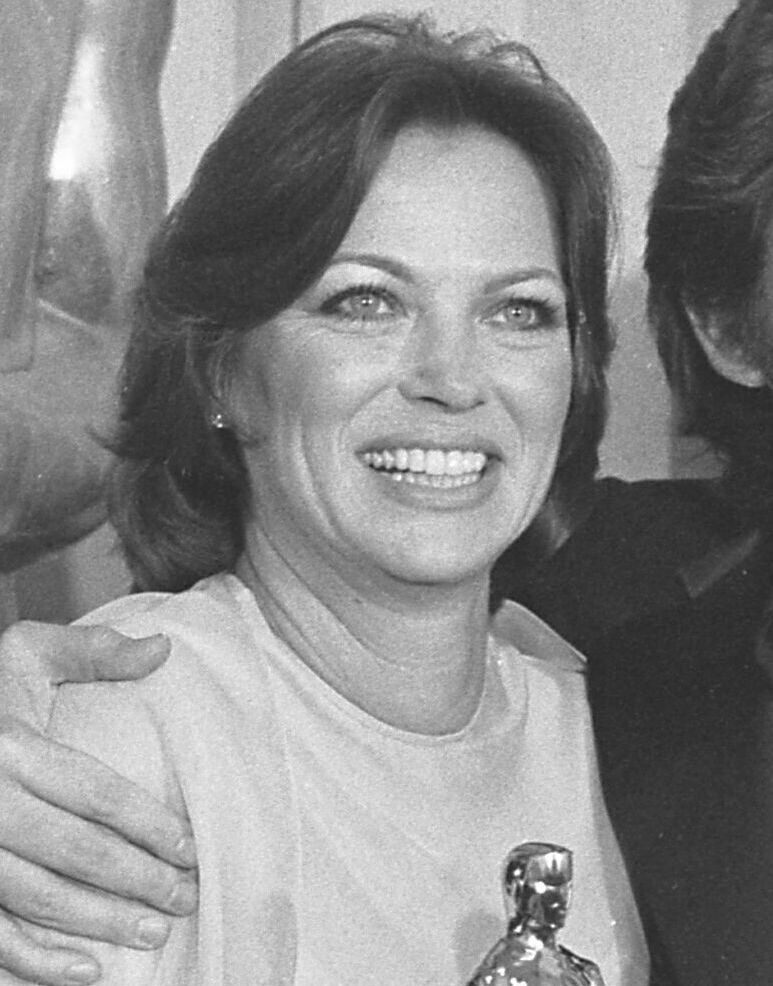

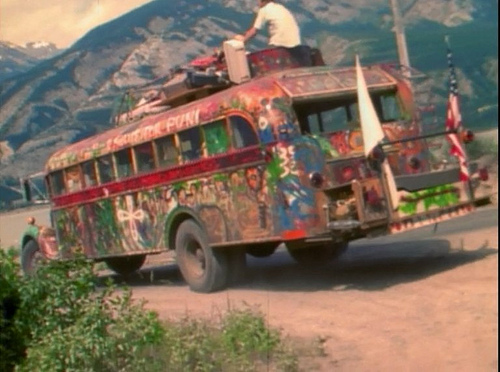


Plot and principal characters
The story follows Randle McMurphy, a charismatic and rebellious convict who feigns mental illness to serve time in a psychiatric hospital rather than prison. His arrival disrupts the ward's rigid routines under the authority of Nurse Ratched, a figure of calm but cruel administrative power. Other notable characters include Chief Bromden, an infirm Native American patient whose perspective anchors the novel more than the film; Bromden's diminished film role contrasts with his prominence in the source material. The dynamic between McMurphy and Nurse Ratched drives the narrative, exploring resistance, empathy, and sacrifice. Cast and character notes appear in production dossiers and interviews at cast info and character study.
Adaptation and production
The screenplay was written by Bo Goldman and Lawrence Hauben, who condensed and restructured elements of Kesey's novel to fit a cinematic form. Director Miloš Forman, coming from a European filmmaking background, emphasized realism and ensemble performance; shooting took place on location in the Pacific Northwest and on studio sets to recreate the ward's claustrophobic atmosphere. Ken Kesey publicly expressed reservations about the film's shift away from Chief Bromden's perspective and some of the book's political and satirical nuances. Contemporary production accounts and retrospectives provide additional context at director profile, screenplay notes, and author response.
Themes, style and critical reception
The film explores themes of individuality versus institutional authority, the nature of sanity, and the therapeutic—or destructive—effects of conformity. Forman's direction balances dramatic intensity with moments of humor, while Nicholson's performance is energetic and unpredictable and Fletcher's is controlled and icy. Critics praised the film's acting and tonal balance, though some commentators and the novel's author critiqued its perspective changes and simplifications of the book's interior voice. For essays and critical analyses, consult critical essay and archival reviews at review archive.
Awards, legacy and distinctions
- The picture won the five major Academy Awards: Best Picture, Best Director (Miloš Forman), Best Actor (Jack Nicholson), Best Actress (Louise Fletcher) and Best Adapted Screenplay—an achievement only matched by two other films in Academy history. See historical award listings at awards and comparative analyses at academy context.
- Its impact on popular culture has been substantial: the film is frequently cited in discussions of institutional power, film performance, and adaptations. The American Film Institute ranked it among the top films in several AFI lists; more on cultural standing is available at AFI listing and legacy piece.
- Acting and direction have remained reference points in film studies courses and retrospectives; biographical materials and interviews can be found at interviews and biography.
Controversies, criticism and continued relevance
While widely celebrated, the film has also prompted debate about the depiction of mental illness, institutional treatment, and the erasure of certain narrative viewpoints present in Kesey's novel. Chief Bromden's reduced role in the film raised questions about whose perspective was prioritized in adaptation choices. Modern audiences and scholars revisit the movie both as a cinematic achievement and as a product of its era's attitudes toward psychiatry and race. Further resources addressing these debates and newer readings of the film are collected at scholarship and archival repositories.
For additional filmography, production credits, and extended readings, consult the linked resources throughout this article and contemporary film-reference collections.
Related articles
Author
AlegsaOnline.com One Flew Over the Cuckoo's Nest (1975 film) Leandro Alegsa
URL: https://en.alegsaonline.com/art/72572