
Miloš Forman: Czech‑American filmmaker and two‑time Best Director Oscar winner
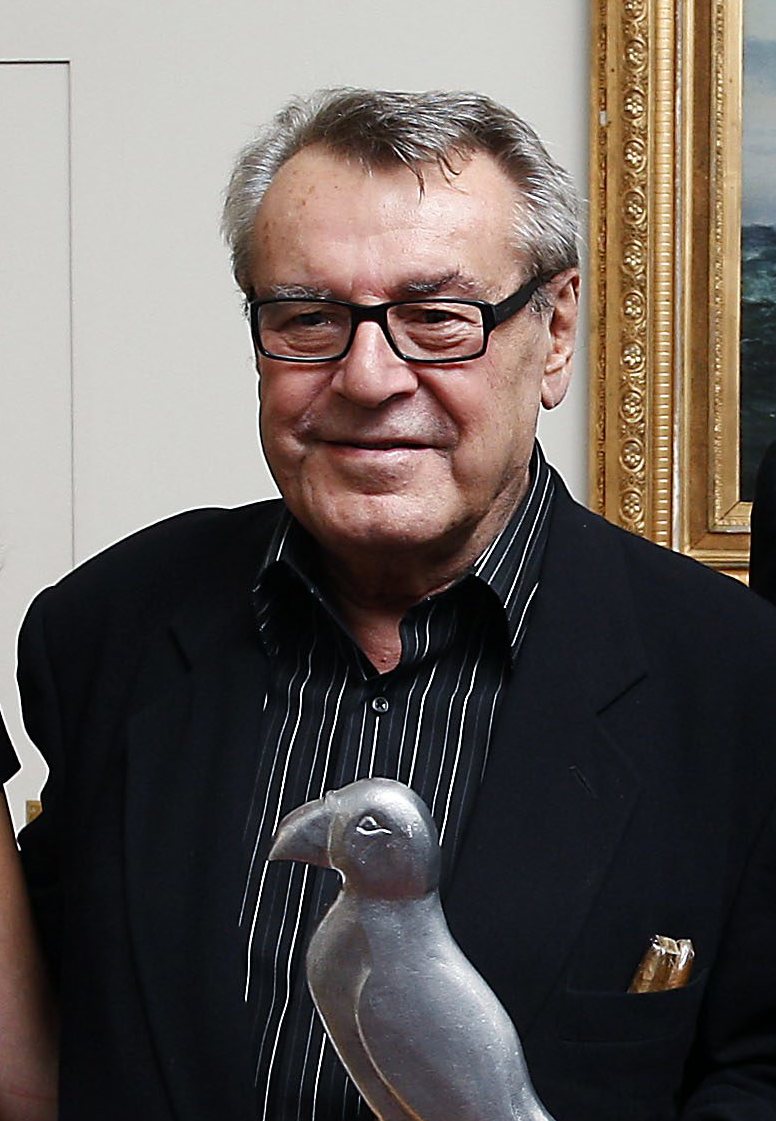
Overview of Miloš Forman (1932–2018), the Czech‑born director and screenwriter whose work ranged from the Czech New Wave to Hollywood classics like One Flew Over the Cuckoo's Nest and Amadeus.
Miloš Forman (18 February 1932 – 13 April 2018) was a leading figure in 20th‑century cinema whose career began in Central Europe and later flourished in the United States. Born in Čáslav in what was then Czechoslovakia, he is widely regarded as both Czech and American in cultural influence. By profession he was a celebrated film director and screenwriter, known for humane portraits of outsiders and for works that blend realism, satire and music.
Image gallery
6 Images


Early life and Czech New Wave
Forman trained as a filmmaker at the Academy of Performing Arts in Prague (FAMU) and rose to prominence in the 1960s as part of the Czech New Wave. His early films combined comedy and social observation, and he gained international attention with features that examined ordinary people under pressure from social institutions. These works established his reputation for naturalistic performances and a wry, compassionate tone.
Emigration and Hollywood career
After the political repression that followed the 1968 invasion of Czechoslovakia, Forman emigrated to the United States. In America he directed a string of major films that brought him both popular success and critical acclaim. His adaptation of Ken Kesey’s novel, One Flew Over the Cuckoo’s Nest, made him a household name; he also directed the musical adaptation Hair, the historical drama Ragtime, and later biographies and character studies such as The People vs. Larry Flynt.
Major works and awards
- One Flew Over the Cuckoo's Nest — a landmark 1970s film that won multiple Academy Awards, including the film’s recognition as Best Picture.
- Amadeus — a lavish dramatization of Mozart’s life and rivalry that brought further international awards and attention.
- Other notable films include Black Peter, Loves of a Blonde, Hair, Ragtime, and The People vs. Larry Flynt, each illustrating different facets of his range.
Forman personally received the Academy Award for Best Director on two occasions, an uncommon distinction that reflected his skill in guiding performances and shaping complex narratives for wide audiences.
Style, themes and legacy
Forman’s work frequently centers on individuals who challenge or are constrained by institutions—whether mental hospitals, social norms or the music world. He favored collaborative work with actors, sought naturalistic performances, and often used humor and irony to temper moral seriousness. His films bridge European art‑house sensibilities and mainstream Hollywood storytelling, and they remain subjects of study for their humane character work and their engagement with questions of freedom, creativity and authority.
Significance
Miloš Forman is remembered as a director who helped bring Central European cinematic concerns to an international audience while succeeding within the commercial systems of American cinema. His two major award‑winning films continue to be screened and discussed, and his influence is visible in filmmakers who combine character‑driven narratives with social criticism.
Author
AlegsaOnline.com Miloš Forman: Czech‑American filmmaker and two‑time Best Director Oscar winner Leandro Alegsa
URL: https://en.alegsaonline.com/art/127070