
Oklahoma City
Oklahoma City, the capital and largest city of Oklahoma, is a regional center for government, energy, culture and sports. It is known for its history, memorials, and a strong Native American presence.
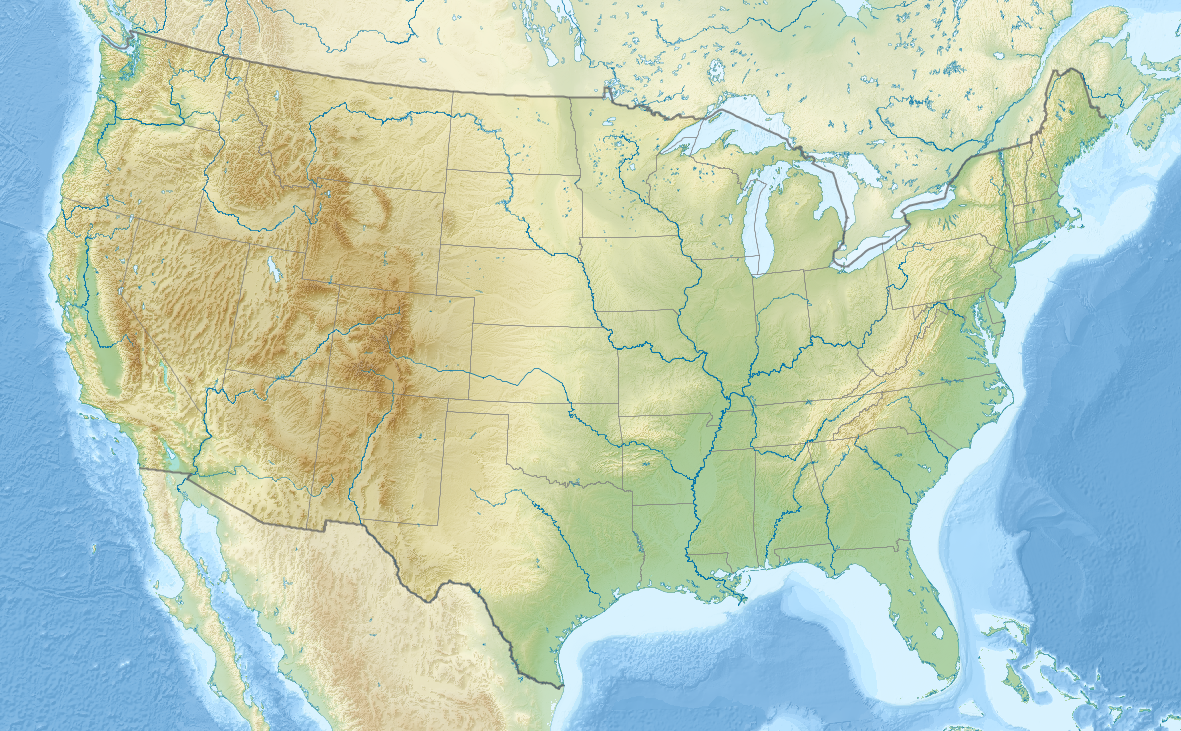
Oklahoma City serves as the state capital city and is the largest municipality in the U.S. state of state Oklahoma. Located near the geographic center of the state, the city anchors a broad metropolitan area and functions as a hub for commerce, government and transportation. Population figures have changed over time; for example, city counts in the mid-2000s recorded roughly half a million residents, while the greater metropolitan area is notably larger.
Image gallery
10 Images




Characteristics and layout
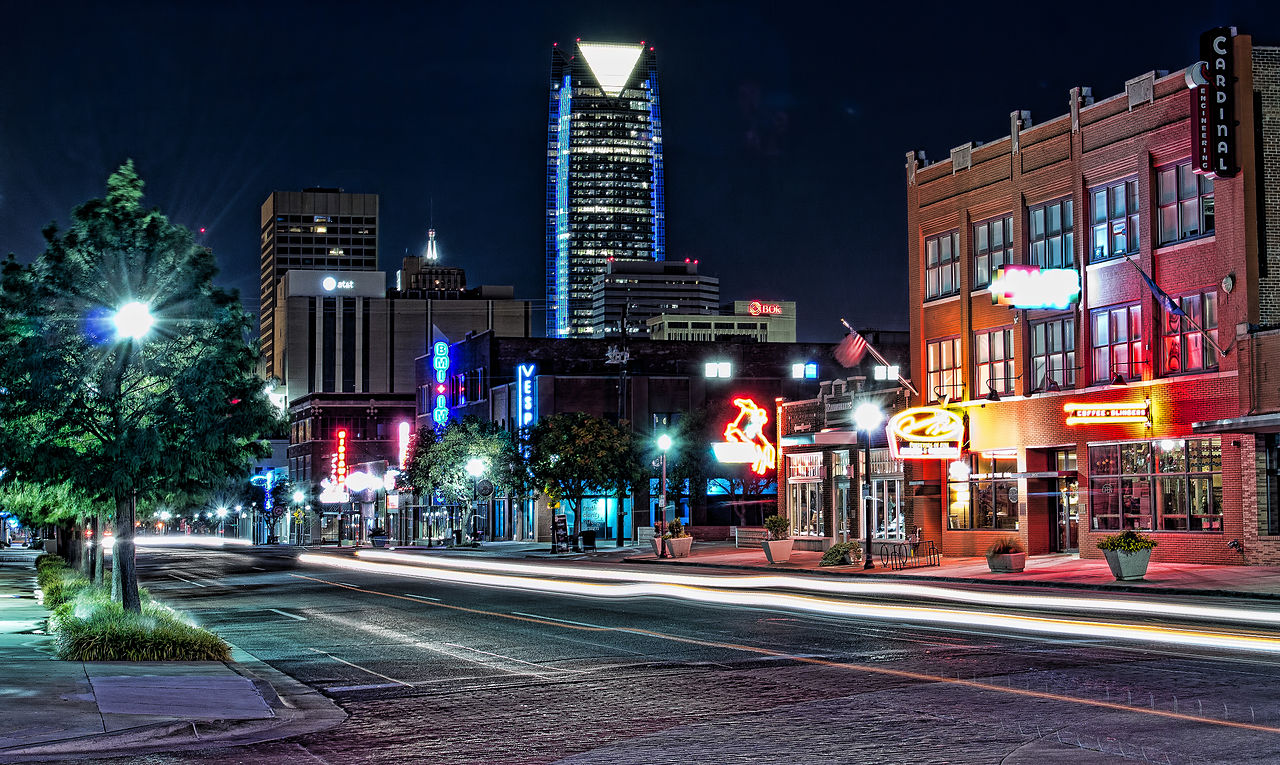
Oklahoma City combines a downtown core, older neighborhoods, and sprawling suburbs. The North Canadian River (often called the Oklahoma River in the city reach) cuts through the urban area and supports recreational facilities. Distinct districts include the Bricktown entertainment area, the state capitol complex, and cultural corridors lined with museums, parks and revitalized industrial areas.
History and notable events
The modern city grew rapidly after settlement in the late 19th century and became the state capital when Oklahoma joined the Union. A defining moment in recent history was the domestic terrorist attack on April 19, 1995, when a truck bomb destroyed part of a federal building and killed 168 people. The attack and its aftermath reshaped public policy, emergency response and community memorialization; the site now includes a memorial and museum to remember victims and examine the event (more).
Economy, culture and institutions
Oklahoma City's economy has strong ties to the energy sector, especially oil and natural gas, but also includes aviation, manufacturing, healthcare and technology. Cultural institutions include performing arts centers, art and history museums, and venues for live music and festivals. Public spaces such as botanical gardens and riverfront parks bolster urban life and tourism.
Sports, entertainment and recreation
Sports are a visible part of the city's identity. The professional basketball franchise Oklahoma City Thunder draws regional attention, and local leagues, collegiate teams and outdoor recreation offer many options for residents. Entertainment districts and river-based activities provide both nightlife and family-friendly attractions.
Government, demographics and identity
As the county seat (county seat) of Oklahoma County, the city hosts state and local government offices. It also has a significant and visible Native American population, reflected in cultural institutions, enterprises and community organizations (Native American affairs and history are integral to the region). The city's growth, regional role and civic projects continue to shape its identity as both a state capital and a dynamic metropolitan center.
- Major landmarks: state capitol, national memorial and museum, major cultural museums and Bricktown district.
- Transportation: interstate highways, regional airport and riverfront trails.
- Community: diverse neighborhoods, festivals, and active civic organizations.
Related articles
Author
AlegsaOnline.com Oklahoma City Leandro Alegsa
URL: https://en.alegsaonline.com/art/72220
Sources
- newsok.com : NewsOK.com
- taglineguru.com : U.S. City Monikers
- newsok.com : "'Big Friendly' moniker is beginning to stick"
- okhistory.org : "Oklahoma City" · webcitation.org
- factfinder2.census.gov : "American FactFinder"
- factfinder.census.gov : "American FactFinder"
- zip4.usps.com : "Zip Code Lookup" · webcitation.org
- geonames.usgs.gov : "US Board on Geographic Names"
- quickfacts.census.gov : quickfacts.census.gov