
Ōkuma, Fukushima
Ōkuma is a coastal town in Futaba District, Fukushima Prefecture on Honshu. It is known as the site of the Fukushima Daiichi Nuclear Power Plant and was heavily affected by the 2011 disaster and its aftermath.
Overview
Ōkuma (大熊町, Ōkuma-machi) is a coastal municipality in Futaba District of Fukushima Prefecture on the island of Honshu. The town gained international attention because the Fukushima Daiichi Nuclear Power Plant, operated by Tokyo Electric Power Company (TEPCO), is located within its boundaries. Before 2011 the town combined industrial facilities with fishing and agriculture along the Pacific coast.
Image gallery
8 Images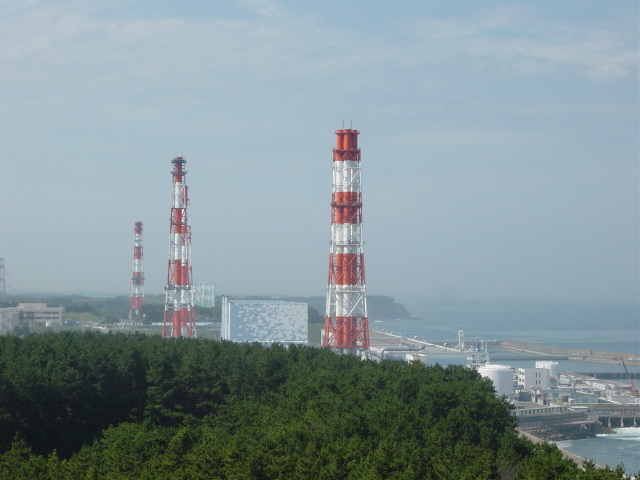


Geography and characteristics
Ōkuma occupies a low-lying coastal plain facing the Pacific Ocean. Its landscape included residential neighborhoods, commercial zones, and energy infrastructure. The presence of the nuclear power plant substantially influenced the local economy and land use patterns. The town government and public services were affected by long-term disruption after the 2011 disaster.
History and 2011 disaster
Ōkuma was largely evacuated following the 11 March 2011 Tōhoku earthquake and tsunami and the ensuing nuclear accident at Fukushima Daiichi. Widespread radioactive contamination led to exclusion zones and an extended loss of access for residents. The scale of evacuation and decontamination required coordination among national, prefectural, and municipal authorities and TEPCO.
Post-disaster recovery and current status
Efforts in and around Ōkuma have focused on decontamination, dismantling and decommissioning the damaged reactors, and restoring infrastructure where possible. This includes long-term work to remove radioactive materials from the site and to make parts of the town safe for limited re-entry or potential resettlement. The decommissioning process is complex and expected to continue for many years.
Uses, significance and notable facts
- Energy site: home to Fukushima Daiichi Nuclear Power Plant, a major factor in Japan's postwar energy development.
- Evacuation and recovery: an example of large-scale disaster displacement, environmental remediation, and community planning.
- Ongoing monitoring: radiation surveys, health monitoring, and infrastructure restoration remain priorities.
The situation in Ōkuma illustrates the intersection of modern energy production, coastal vulnerability, and long-term recovery after a compound natural and technological disaster. For municipal information and official notices, see the town's administrative resources and regional authorities: official town pages.
Related articles
Author
AlegsaOnline.com Ōkuma, Fukushima Leandro Alegsa
URL: https://en.alegsaonline.com/art/72240
Sources
- yomiuri.co.jp : "2 towns at risk of disappearing; Okuma, Futaba face uncertain future due to nearby crippled N-plant,"
- in.ibtimes.com : "Analysis: A month on, Japan nuclear crisis still scarring,"
- photoblog.nbcnews.com : "'Nuclear refugees' visit their home near stricken Fukushima plant,"
- bathurst.nsw.gov.au : "Sister City"