
Occupy movement: grassroots protests against economic and social inequality
A decentralized international protest movement originating in 2011 that used public occupations and consensus assemblies to challenge economic inequality, corporate influence, and political power structures.
Overview
The Occupy movement is a loosely coordinated series of protests and public occupations that emerged in 2011 to highlight social and economic inequality, the influence of corporations on politics, and the unequal distribution of wealth and power. It is best known for sustained encampments in public spaces and for promoting the slogan "We are the 99%", which emphasized the gap between the wealthiest one percent and the rest of the population. The original and most visible incarnation began in New York City and inspired related actions worldwide.
Image gallery
10 Images


Organization and tactics
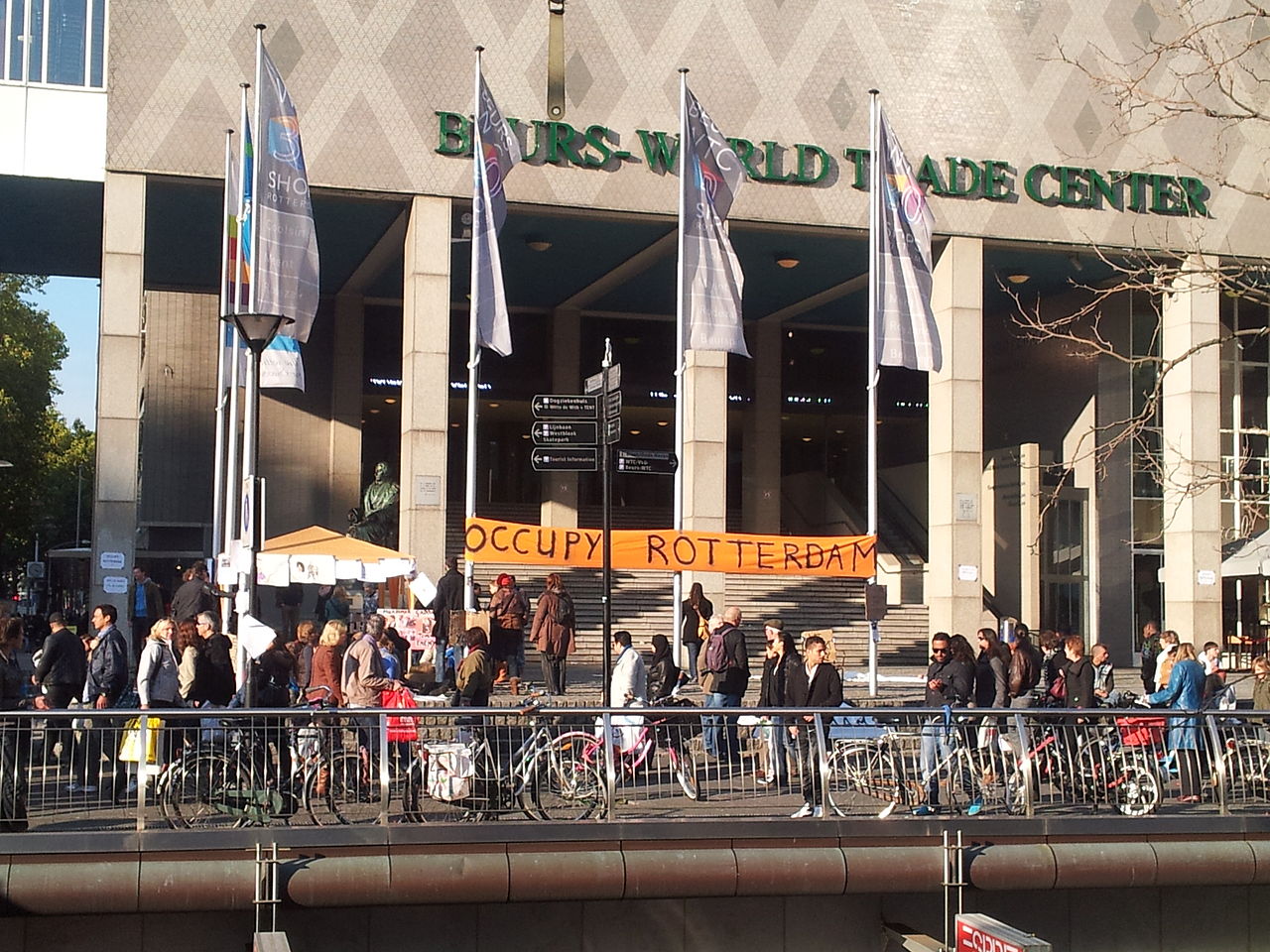
Occupy was notable for its decentralized, non-hierarchical structure. Participants organized through local assemblies and working groups rather than central leaders. Decision-making often used consensus or general assembly formats. Visible tactics included maintaining encampments in parks and plazas, holding teach-ins and public forums, staging marches, and using social media to coordinate actions and spread information.
- Leaderless or horizontally organized local groups
- Occupations of public spaces and continuous encampments
- Consensus-based general assemblies and collaborative working groups
- Direct action, media outreach, and mutual aid projects
Origins and global spread
The movement took shape in late summer and autumn 2011 after activists and community organizers in New York launched a sustained occupation that drew attention to Wall Street and financial sector influence. That New York effort is commonly associated with Occupy Wall Street. Within weeks and months, similar occupations and protests appeared in many other cities and countries, creating a broad international phenomenon that connected local grievances to global concerns about inequality and austerity. Supporters used online networks and local organizing to adapt tactics to different contexts.
Impact, criticisms, and legacy
Occupy shifted public conversation about inequality and restored attention to economic fairness and corporate power in many political debates. Critics argued the movement lacked clear, specific policy demands and questioned its long-term effectiveness. Encampments sometimes faced legal challenges and police removals, and media coverage varied between sympathetic and critical tones. Despite these challenges, Occupy influenced subsequent activism, municipal policies, and public discourse on taxation, banking, and social justice. Some local offshoots focused on disaster relief, labor issues, or housing, demonstrating the movement’s adaptable tactics.
Notable features and distinctions
Occupy differed from traditional protest organizations by rejecting centralized leadership, emphasizing participatory decision-making, and combining symbolic occupation of space with ongoing community organizing. For more context on the original New York network and how the movement organized, see the early organizing pages associated with the founding effort: founders and organizing documents.
Related articles
Author
AlegsaOnline.com Occupy movement: grassroots protests against economic and social inequality Leandro Alegsa
URL: https://en.alegsaonline.com/art/71834