
Obersaxen (Sursaissa)
Mountain community in Graubünden, Switzerland; a former municipality in Surselva known for its Walser heritage, alpine plateau, and 2016 merger with Mundaun to form Obersaxen Mundaun.
Obersaxen (Romansh: Sursaissa) is a mountain community in eastern Switzerland that until 2016 functioned as an independent municipality. It lay within the administrative district of Surselva and the canton of Graubünden, in the national context of Switzerland. The settlement is set on a high alpine plateau and is commonly recognised for its rural character and mountain landscape.
Image gallery
4 Images
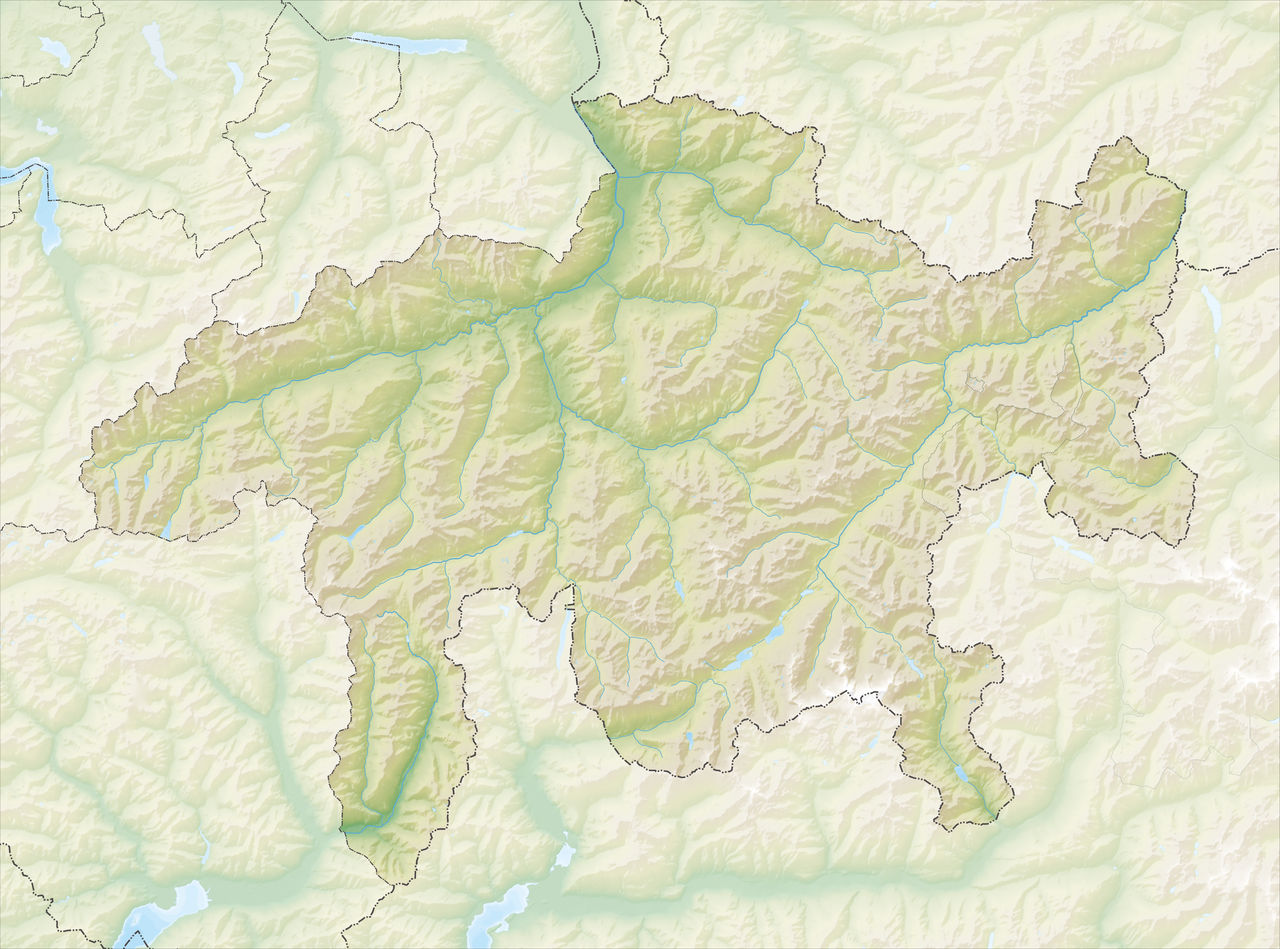


Geography and character
Obersaxen occupies a plateau above the valley floor of the Surselva region and is surrounded by typical alpine terrain of the canton of Graubünden. The area combines summer pastures and winter snowfields, making it a mixed-use landscape where grazing, forestry and seasonal tourism coexist. Villages and hamlets are dispersed rather than clustered into a single urban centre.
History and language
The community has a layered cultural history. It sits as a German-speaking enclave within a broader Romansh-speaking district, a distinction reflected in its dual place names and local traditions. Over centuries the locality developed a distinct dialect and building styles influenced by alpine settlement patterns and the movement of mountain peoples.
Economy and activities
Local livelihoods historically centred on mountain agriculture and livestock. In the modern era tourism — including skiing, hiking and other outdoor recreation — has become important alongside traditional farming. Visitors are attracted by the quiet plateau setting, trails and winter sports infrastructure maintained for both residents and guests.
Administration and merger
Obersaxen was an official municipality referenced in cantonal records (municipality) and part of the Surselva district. On 1 January 2016 the former municipalities of Obersaxen and Mundaun were combined to create the new municipality of Obersaxen Mundaun. This administrative change aimed to streamline local governance and pool resources for services and development.
Notable aspects
- Dual cultural identity reflected in German and Romansh place names.
- Alpine plateau setting providing both agricultural and recreational uses.
- Part of a multilingual canton with a complex municipal history.
Related articles
Author
AlegsaOnline.com Obersaxen (Sursaissa) Leandro Alegsa
URL: https://en.alegsaonline.com/art/71740