
Oberschleißheim: Municipality and Schleissheim Palace near Munich
Oberschleißheim is a municipality north of Munich in Upper Bavaria, noted for the baroque Schleissheim Palace complex, extensive gardens and an aviation museum on the historic airfield.
Overview
Oberschleißheim (Central Bavarian: Obaschleißheim) is a municipality in the Munich Rural District, located just north of the city of Munich in Upper Bavaria. It functions as a suburban community with a mix of residential areas, parks and cultural attractions. The town is best known for the nearby palace complex and its association with Bavarian history.
Image gallery
4 Images


Schleissheim Palace
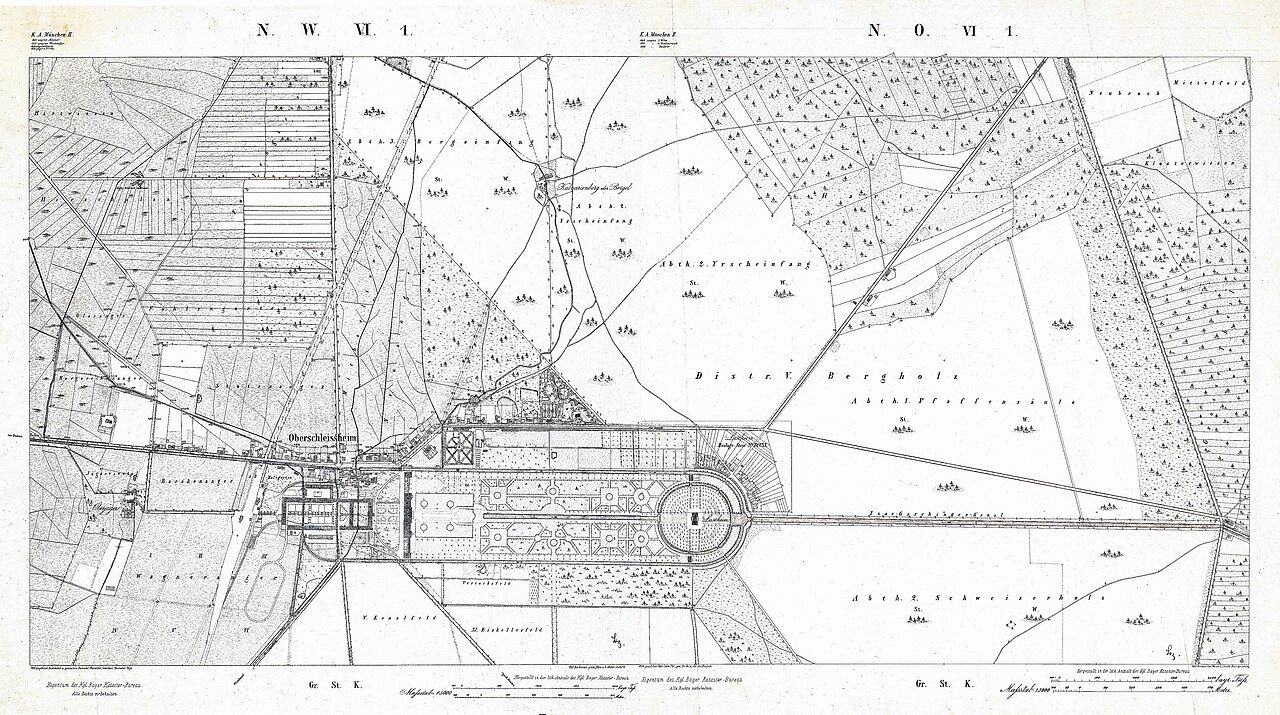
The Schleissheim Palace complex is the town's principal landmark. Originally developed from a country house in the 16th century, it was expanded over the 17th and 18th centuries into a notable baroque ensemble. The composition includes several linked buildings and formal gardens that illustrate the tastes and power of Bavaria's ruling dynasties.
- Old Palace (earlier residence and administrative center)
- New Palace (grand baroque residence with state rooms)
- Lustheim (a smaller castle set within the gardens)
Aviation and museums
Oberschleißheim is also home to a historic airfield that hosts the aviation branch of the Deutsches Museum. That museum collection displays historic aircraft, engines and restoration workshops and is a major draw for visitors interested in aeronautics and technology.
History and development
The settlement around Schleissheim grew up alongside the estates and hunting grounds of Bavarian rulers. Over centuries the area shifted from a rural ducal domain to a suburban municipality as Munich expanded. Many elements of the palace gardens and parkland survive and are maintained for public use.
Transport, recreation and community
Oberschleißheim is connected to Munich by regional rail and road links; the suburban rail provides convenient commuter access while the palace grounds and nearby waterways offer recreational space. The municipality balances local services with tourism centred on its historic sites.
Notable facts
As a community within this municipality framework, Oberschleißheim sits in Germany and combines cultural heritage, green space and technical museums. Its palace complex is among the important baroque ensembles in the region and remains a focal point for visitors and residents alike.
Related articles
Author
AlegsaOnline.com Oberschleißheim: Municipality and Schleissheim Palace near Munich Leandro Alegsa
URL: https://en.alegsaonline.com/art/71741
Sources
- destatis.de : "Alle politisch selbständigen Gemeinden mit ausgewählten Merkmalen am 31.12.2018 (4. Quartal)" · web.archive.org
- statistikdaten.bayern.de : "Fortschreibung des Bevölkerungsstandes"