
Oaxaca de Juárez: capital city of Oaxaca and cultural center
Oaxaca de Juárez is the capital of the Mexican state of Oaxaca, known for its colonial center, indigenous heritage (Zapotec and Mixtec), vibrant festivals, traditional cuisine and nearby archaeological sites.
Oaxaca de Juárez is the administrative and cultural capital of the Mexican state of Oaxaca. Located in the southern highlands, the city is an important regional center for government, education and tourism. In indigenous languages it is known as La'a (Zapotec) and Ñuu Nunduva (Mixtec). The municipality is home to roughly 250,000–300,000 residents, depending on the source, and its historic core and nearby archaeological site of Monte Albán form a UNESCO World Heritage area.
Image gallery
10 Images


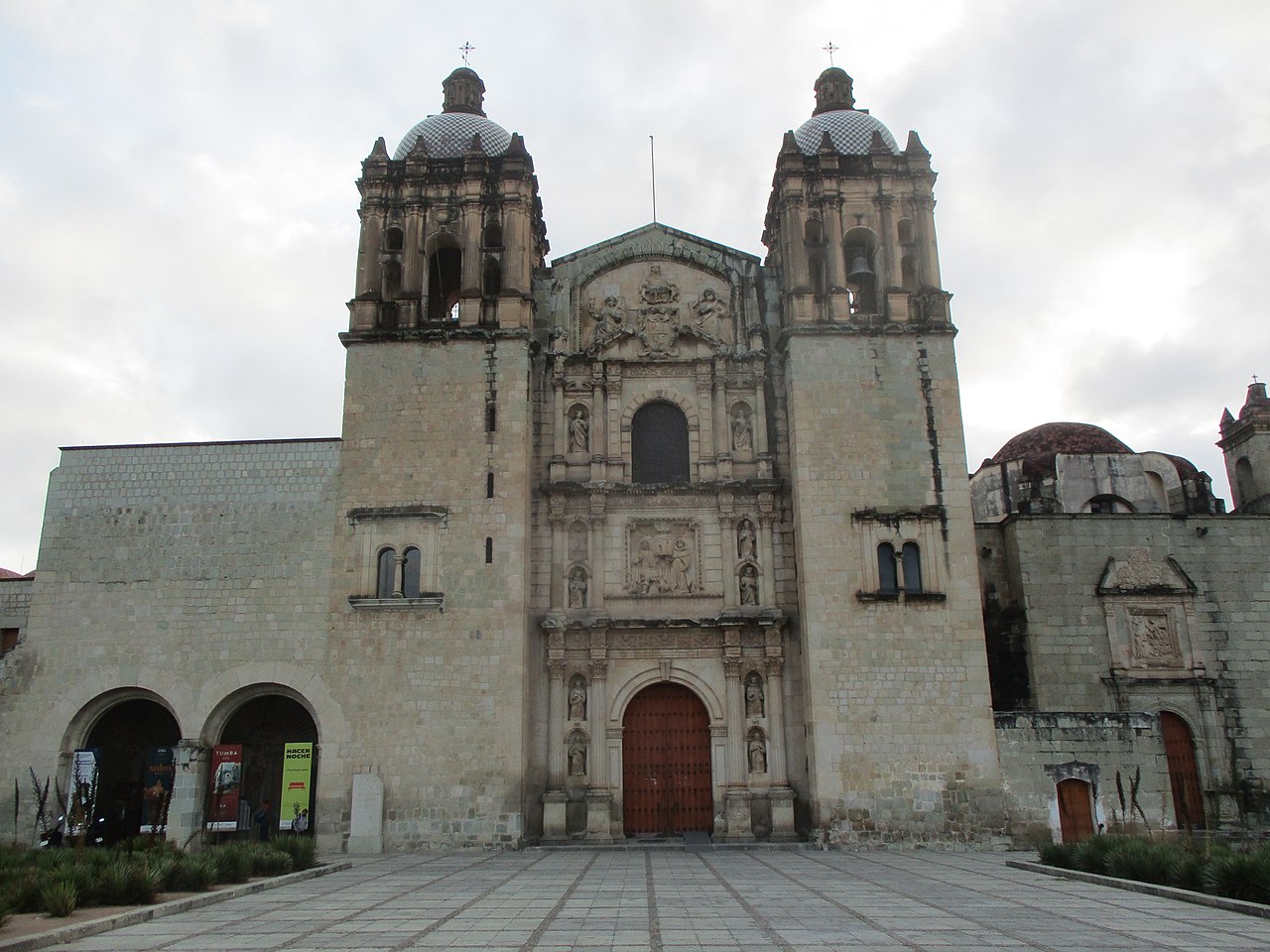

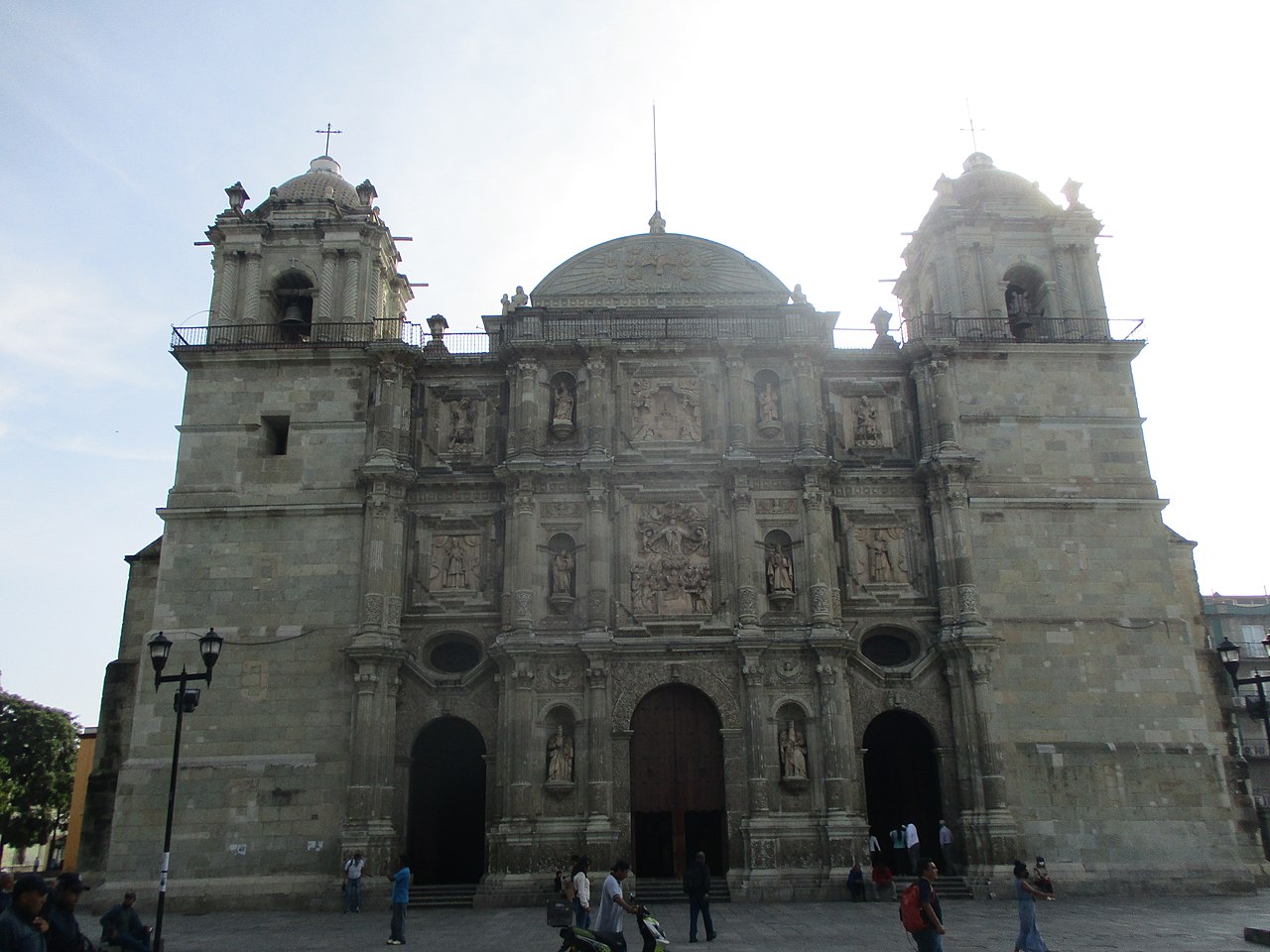
Geography and urban character
The city sits in a broad valley surrounded by mountains. Its colonial-era grid centers on a central plaza or zócalo, flanked by a cathedral, municipal palace and busy markets. Narrow cobbled streets, craft shops and family-run restaurants characterize the historic center, while newer neighborhoods spread into surrounding valleys. The climate is temperate to warm, with a distinct rainy season in summer.
History and names
The area has been inhabited for millennia by Zapotec and Mixtec peoples; nearby Monte Albán was a major pre-Hispanic city and remains visible on a ridge above Oaxaca. After the Spanish conquest the town developed as a colonial administrative and religious center. In 1872 the city was officially renamed Oaxaca de Juárez to honor Benito Juárez, the 19th-century Mexican president who was born in the state of Oaxaca.
Culture, languages and festivals
Oaxaca de Juárez is a living hub of indigenous cultures and languages. Zapotec and Mixtec communities contribute to the city’s multilingual character, and traditional weaving, pottery and dyeing techniques are widely practiced. Annual events such as the Guelaguetza showcase regional dance, music and costume, while the city’s Day of the Dead observances draw visitors attracted to altars, processions and market offerings.
Economy, cuisine and crafts
Tourism, education and public administration are major economic pillars. The city is famous for regional cuisine—moles, tlayudas, tamales and the agave spirit mezcal—all of which are linked to local producers and markets. Artisans produce black clay pottery, woven rugs, embroidered textiles and alebrijes; these crafts are sold in neighborhood markets and galleries.
Notable features and visiting information
Highlights include the historic center with its cathedral and museums, the archaeological terraces of Monte Albán, and lively markets such as 20 de Noviembre and Benito Juárez. As a state capital it hosts universities and cultural institutions that promote research into indigenous languages and regional history. For more on administrative status see capital, for national context see Mexico, for state information see Oaxaca, and to learn about the national figure it commemorates see Benito Juárez.
Related articles
Author
AlegsaOnline.com Oaxaca de Juárez: capital city of Oaxaca and cultural center Leandro Alegsa
URL: https://en.alegsaonline.com/art/71653