
Oberägeri — lakeside municipality in the canton of Zug, Switzerland
Oberägeri is a German-speaking municipality on the northern shore of Lake Ägeri in the canton of Zug, Switzerland, known for its lakefront scenery, outdoor recreation and a mixed rural-commuter character.
Overview
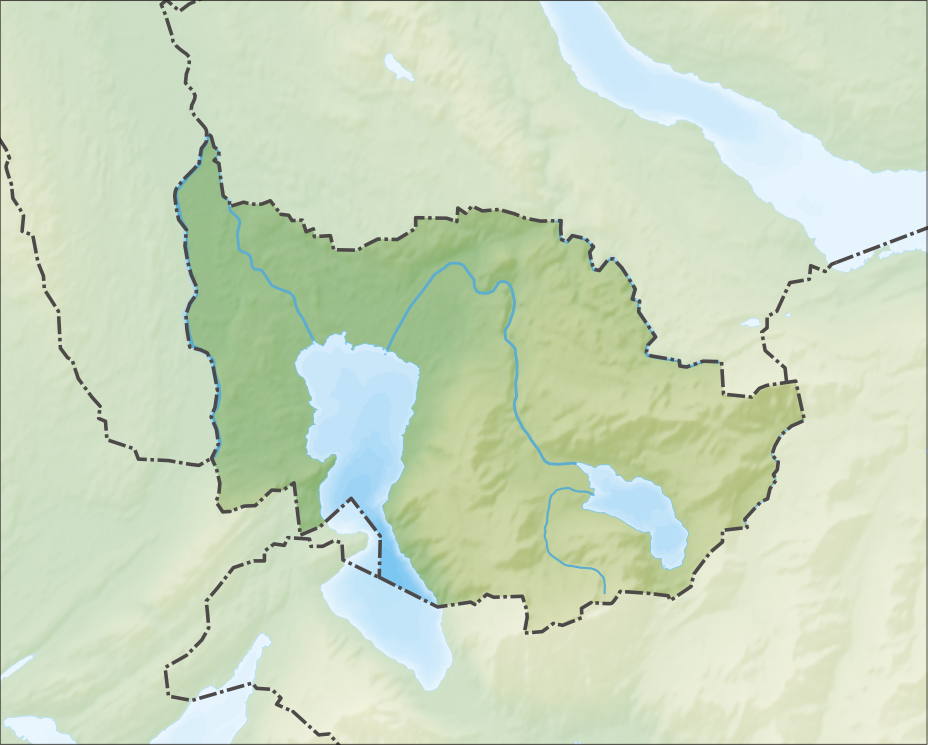
Oberägeri is a municipality in the canton of Zug situated on the northern shore of the Ägerisee (Lake Ägeri). The community is primarily German-speaking and combines lakeside residential areas, small farms and woodland. Its setting on a broad plain at the lake's edge gives Oberägeri open views and relatively gentle terrain compared with nearby steeper valleys. The municipal administration and local services serve both long-term residents and visitors.
Image gallery
6 Images


Geography and environment
The municipality lies on a plain beside a clear freshwater lake that forms the centrepiece of local landscape and recreation. The shoreline, marshy in places and rocky in others, supports freshwater habitats and a mix of meadow, pasture and mixed forest on the surrounding slopes. For wider context see the canton of Zug and national information about Switzerland. Local descriptions often highlight the plain as an important geographical feature.
History and settlement
The area developed from scattered farms and lakeside hamlets into a more cohesive village while keeping a largely low-rise, rural character. Oberägeri and neighbouring communities share cultural ties and historic trade and agricultural connections. Over time the balance between preservation of open land and modest development has been a recurring theme in local planning.
Economy and daily life
The local economy mixes small-scale agriculture, hospitality and service businesses with people who commute to larger towns for work. Local shops, schools and associations provide daily services; seasonal visitors come for bathing, boating and lakeside walks. Municipal planning typically seeks to protect agricultural land and natural amenities while accommodating housing needs.
Transport and access
Oberägeri is linked by regional roads and public transport to Zug and neighbouring centres. Travel times are moderate and the locality functions as both a residential community and a destination for day trips. Cycling routes and footpaths connect to adjacent villages and to higher trails into surrounding hills.
Recreation, culture and conservation
The lake area is used for swimming, non-motorised boating and walking; lakeside paths and modest beaches are emphasised over large tourist infrastructure. Community events, small markets and seasonal festivals are regularly held in the village, often centred on the lakeshore. Local authorities and groups work to protect water quality, shore habitats and woodland, reflecting a long-standing interest in conserving the scenic and ecological qualities of the area.
Practical notes
- Language: primarily German.
- Character: lakeside, semi-rural with commuter links.
- Services: local shops, schools and municipal offices; many specialist services are available in nearby towns.
- Recreation: swimming, walking, hiking and small-scale boating around the lake.
For administrative information and contacts consult the municipal pages and cantonal resources via the links above. Visitors are advised to respect local rules for bathing and nature conservation and to use marked paths when exploring the surrounding countryside.
Related articles
Author
AlegsaOnline.com Oberägeri — lakeside municipality in the canton of Zug, Switzerland Leandro Alegsa
URL: https://en.alegsaonline.com/art/71665
Sources
- bfs.admin.ch : "Arealstatistik Standard - Gemeinden nach 4 Hauptbereichen"
- bfs.admin.ch : "Ständige Wohnbevölkerung nach Staatsangehörigkeitskategorie Geschlecht und Gemeinde; Provisorische Jahresergebnisse; 2018"