
Oakland, California: City overview and history
Oakland is a major California city on San Francisco Bay known for its port, rail links, diverse neighborhoods, industrial history and active cultural and political life.
Overview
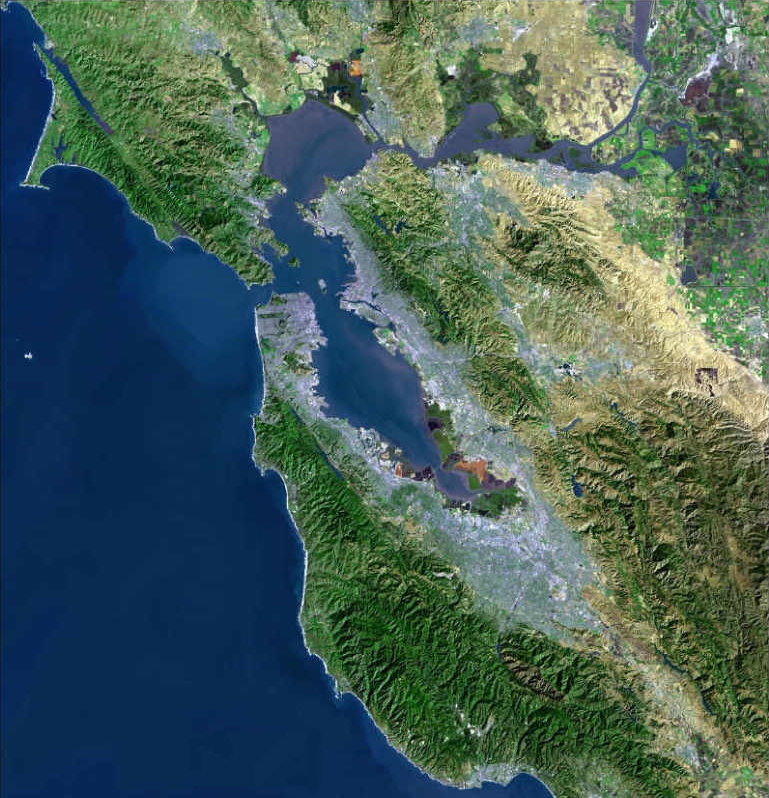
Oakland is a city in California on the eastern shore of San Francisco Bay. It lies across the water from San Francisco and is connected to other Bay Area communities by bridges, transit and ferry services. Oakland is the county seat of Alameda County and ranks among the largest cities in the region. Its location on the bay has shaped its role as a transportation and shipping center.
Image gallery
10 Images




Characteristics and infrastructure
The Port of Oakland is a major container terminal and one of the busiest ports on the West Coast. The city also functions as an important rail junction and is served by regional transit, including heavy-rail rapid transit, commuter rail, an international airport and ferry routes. Historically strong manufacturing sectors built ships, aircraft and automobiles, and early shipyards and factories influenced the urban landscape; some of that industrial heritage remains visible in waterfront districts and reclaimed warehouses shipbuilding.
History and development
Oakland grew rapidly during the mid-19th century as California developed after the Gold Rush. Expansion of rail lines, the rise of maritime trade and later industrialization brought population and jobs. In the 20th century, wartime production and manufacturing further transformed the city. Over time, many older industrial sites were repurposed for housing, offices and cultural venues while the port and transportation corridors continued to anchor the economy.
Culture, neighborhoods and politics
Oakland has a diverse population and a reputation for strong community activism, arts, and music scenes. Neighborhoods such as downtown and Uptown, Lake Merritt, Fruitvale and West Oakland have distinct identities. The city was the birthplace of notable political movements and organizations; for example, prominent California politician Jerry Brown once served as mayor. Recent mayoral administrations, including the tenure of Libby Schaaf, have faced urban planning and housing challenges as the city evolves.
Sports and notable facts
Oakland has long been associated with professional sports teams; it was home to Major League Baseball's Athletics for many years and has hosted other teams and events. The city is also recognized for its grassroots cultural institutions, independent businesses and culinary diversity. Transportation links across the bay, local arts festivals and the continuing role of the port keep Oakland central to the Bay Area's economy and identity.
Practical information
- Transportation: regional rail, BART-style rapid transit and ferries connect Oakland to surrounding cities across the bay.
- Economy: port operations, logistics, professional services, technology spillover from the broader Bay Area.
- Governance: city government and county seat responsibilities are administered from downtown Alameda County offices.
For further official and civic resources, see local government and port authority pages for planning, cultural programs and visitor information. Many neighborhoods continue to balance preservation of historic industrial sites with new development and community-led projects.
Related articles
Author
AlegsaOnline.com Oakland, California: City overview and history Leandro Alegsa
URL: https://en.alegsaonline.com/art/71618
Sources
- census.gov : U.S. Census