
O. Henry (William Sydney Porter): Master of the Short-Story Twist
O. Henry was the pen name of American short‑story writer William Sydney Porter, celebrated for ironic twist endings, vivid urban scenes and portrayals of ordinary people in New York City.
Overview
O. Henry was the best-known pen name of William Sydney Porter, an American writer whose compact short stories became famous for their unexpected, often ironic conclusions. Writing at the turn of the 20th century, he produced a large body of work that treated everyday life—especially the lives of ordinary New Yorkers—with sympathy, wit and comic timing. Many readers remember him chiefly for the surprise ending that became a signature of his storytelling technique.
Image gallery
6 Images


Life and career
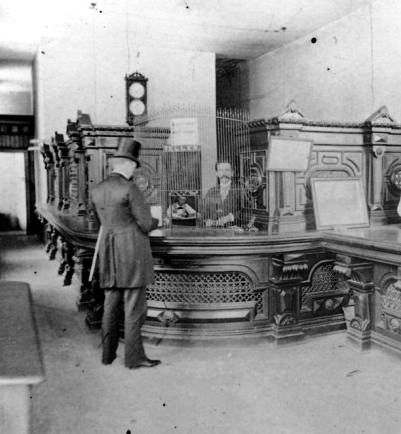
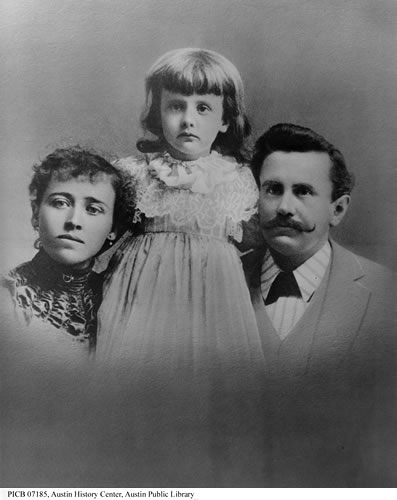
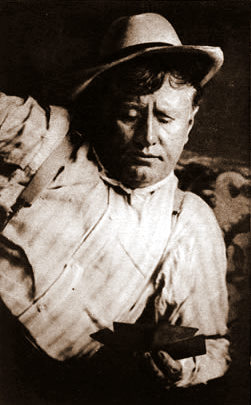
Born William Sydney Porter in the 1860s in the American South, he worked in a variety of jobs before turning to fiction full time. He spent years in Texas and later moved to New York City, where the bustle and variety of urban life supplied material for many tales. His biography includes episodes that influenced his fiction: early work as a clerk and a pharmacist, a period of legal trouble over a bank account in which he had worked, a stretch of confinement, and a return to civilian life as a professional writer. He published many stories under the name O. Henry and is often referred to by that pen name in critical and popular accounts. More about his life can be found in biographies and reference summaries like those at biographical resources.
Style, themes and techniques
O. Henry’s stories are concise and tightly plotted. He favored first- or third-person narration, brisk pacing and dialogue that revealed character quickly. Key themes include coincidence, irony, the hardships and small triumphs of working people, and moments of moral or emotional revelation. His frequent use of surprise endings led some critics to view his approach as formulaic, yet his gifts for characterization, urban detail and humane observation kept his work in wide circulation.
Notable stories
- "The Gift of the Magi" — a short parable about love and sacrifice at Christmas
- "The Ransom of Red Chief" — a comic tale of a botched kidnapping
- "A Retrieved Reformation" — a story of redemption and concealed identity
- "The Last Leaf" and "The Cop and the Anthem" — compact pieces balancing sentiment and irony
Legacy and reception
O. Henry was enormously popular with general readers and influenced the development of the commercial short story. An annual prize for short fiction bearing his name honors achievement in the form and keeps attention on concise narrative craft. Critical opinion has varied: while some commentators fault his reliance on surprise endings, others value the warmth, economy and comic skill evident across his oeuvre. Editions and anthologies of his tales remain in print and continue to be taught and enjoyed.
Facts and distinctions
The origin of the pen name is the subject of several anecdotes and theories; it is generally accepted that Porter adopted "O. Henry" for publication rather than use his given name. His work is notable for its combination of irony and tenderness, and for portraying the small pressures and pleasures of urban American life around 1900. For a concise reference on his publications and influence see further reading.
Questions and answers
Q: Who was O. Henry?
A: O. Henry was the pen name of the American writer William Sydney Porter.
Q: What is O. Henry known for?
A: O. Henry is known for his short stories that have clever twist endings.
Q: What kind of life did O. Henry's stories romanticize?
A: O. Henry's stories romanticized the life of ordinary people in New York City.
Q: What did O. Henry's stories express about characters?
A: O. Henry's stories expressed the effect of coincidence on character through humour, grim or ironic.
Q: Did O. Henry's stories have surprise endings?
A: Yes, O. Henry's stories often had surprise endings.
Q: What impact did the surprise endings have on O. Henry's reputation as a writer?
A: The surprise endings became identified with O. Henry's name and initially brought him fame, but eventually cost him critical favour when its vogue had passed.
Q: What are some of O. Henry's most famous stories?
A: Among O. Henry's most famous stories are those that have clever twist endings, such as "The Gift of the Magi" and "The Ransom of Red Chief."
Related articles
Author
AlegsaOnline.com O. Henry (William Sydney Porter): Master of the Short-Story Twist Leandro Alegsa
URL: https://en.alegsaonline.com/art/71576