
Nuoro — Town and comune in central Sardinia, Italy
Nuoro is a historic town and provincial capital in central-eastern Sardinia, Italy. Known for its cultural life, mountain setting and museums, it had about 36,900 residents (2016), at 549 m elevation.
Nuoro (Nùgoro) is a town and comune in central-eastern Sardinia, Italy, and the administrative centre of the Province of Nuoro. Perched at about 549 metres above sea level, the municipality covers roughly 192.06 km² and had an estimated population of 36,925 in 2016. The town sits inland in a largely mountainous part of the island and acts as a local hub for surrounding villages.
Geographically Nuoro lies within the traditional region known as Barbagia, close to the slopes that lead to the Gennargentu massif. The position away from the sea gives the town cooler winters and warm summers compared with coastal Sardinia. Local landscapes combine rugged hills, pastures, olive and chestnut trees and areas of Mediterranean scrub.
Historically and culturally Nuoro is regarded as an important centre of Sardinian identity. It is the birthplace of the novelist Grazia Deledda, winner of the Nobel Prize in Literature in 1926, and the town preserves museums, literary archives and ethnographic collections that document rural life, traditional costume and oral traditions. Sardinian language and local customs have a visible presence in festivals, music and artisanal crafts.
As a provincial capital Nuoro hosts public administration, regional services, schools and healthcare facilities that serve a wide rural hinterland. The local economy mixes public-sector employment with small manufacturing, agriculture, specialised artisanship and a tourism sector oriented to culture, hiking and heritage visits. Visitor facilities include museums, galleries and guided walks that interpret the area's history and natural environment.
Image gallery
8 Images


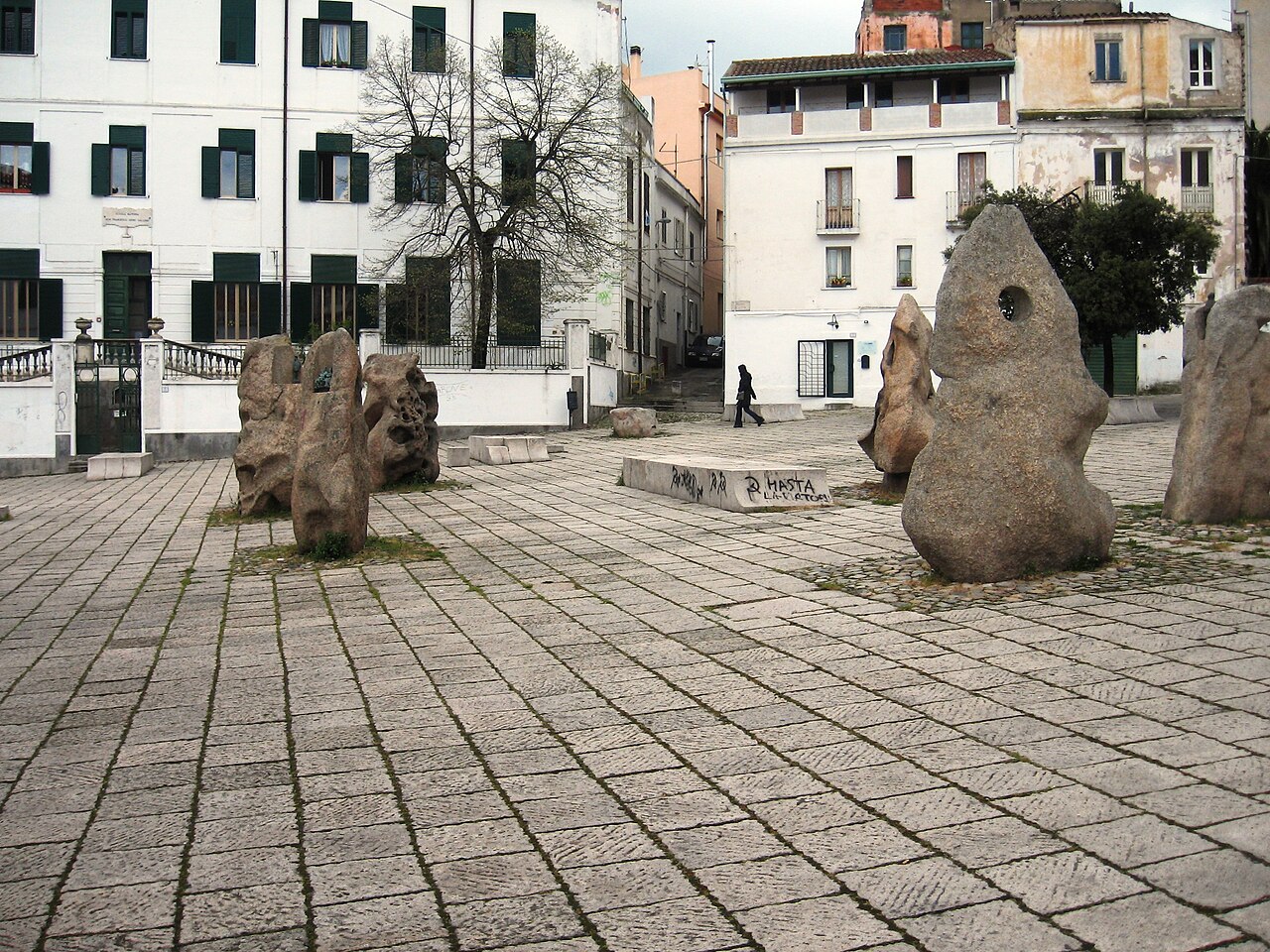


Main sights and cultural life
- Museums and ethnographic centres with collections of traditional dress, tools and folk art.
- Historic streets and churches in the town centre, with viewpoints over the surrounding valleys.
- Cultural venues and literary sites celebrating local authors and contemporary Sardinian art.
- Nearby archaeological and pastoral landscapes offering walking routes and rural tourism.
- Annual festivals and events that preserve music, language and artisan techniques.
Nuoro is connected by regional roads and has regular public transport links to other towns and to coastal areas of Sardinia; travel to the town commonly combines road and bus services. Those planning a visit or seeking administrative information can consult local and provincial portals: the municipal site (Nuoro municipal portal), the comune information page (comune information), the provincial resources (Province of Nuoro), regional tourism pages (Sardinia) and national Italy resources (Italy).
Related articles
Author
AlegsaOnline.com Nuoro — Town and comune in central Sardinia, Italy Leandro Alegsa
URL: https://en.alegsaonline.com/art/71455
Sources
- istat.it : "Superficie di Comuni Province e Regioni italiane al 9 ottobre 2011"
- demo.istat.it : "Popolazione Residente al 1° Gennaio 2018"
- demo.istat.it : Istituto Nazionale di Statistica - Bilancio demografico al 30/11/2016