
Nuraminis (Nuràminis)
Nuraminis is a small municipality in the Province of Sud Sardegna, on the island of Sardinia, Italy. It is known for its rural character, Sardinian heritage, and local municipal role.
Overview
Nuraminis (Sardinian: Nuràminis) is a town and comune in the Province of Sud Sardegna on the island of Sardinia. It functions as a local municipal center within the Italian regional system: see the town entry here and the municipal administration here. The community is part of the island region of Sardinia in Italy.
Image gallery
1 Image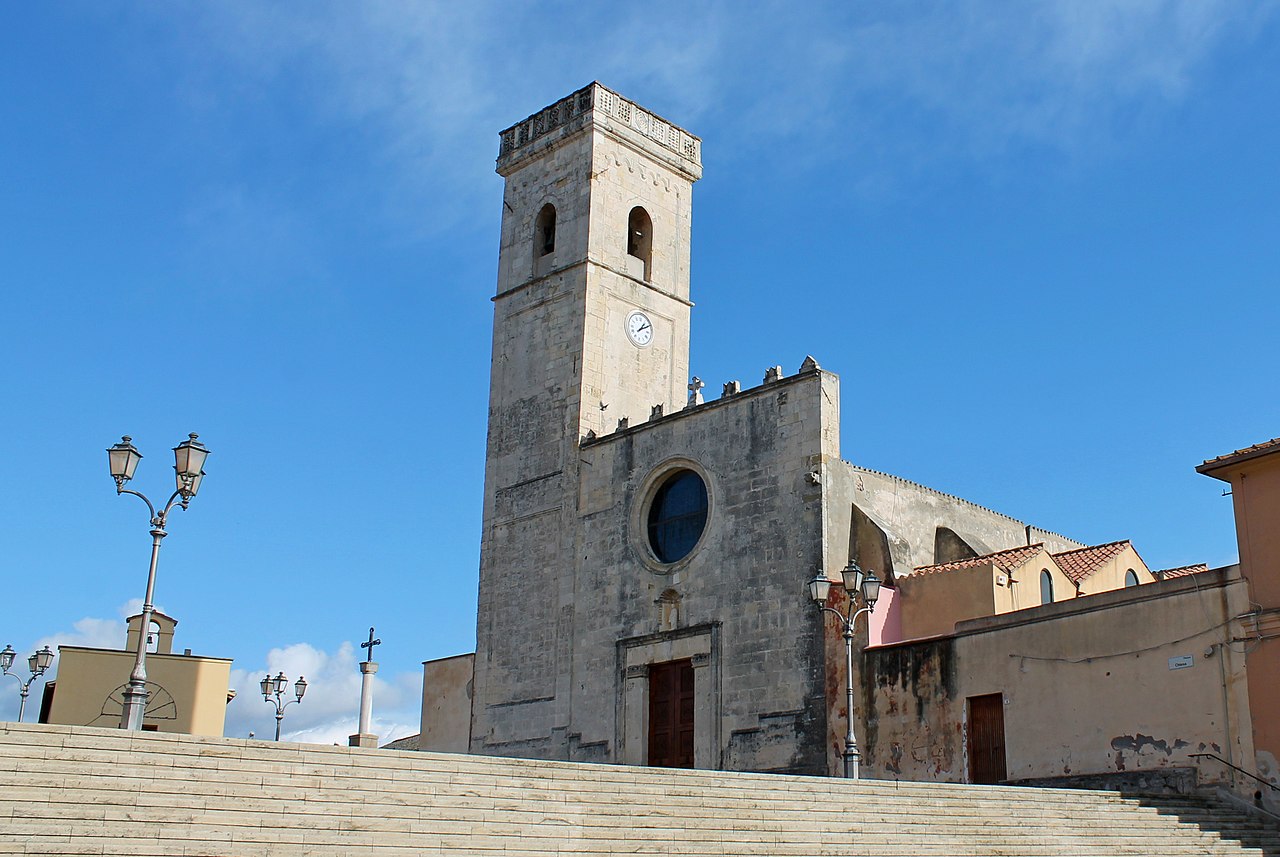
Key facts
- Population: 2,526 (2016 census figure commonly cited)
- Area: 45.18 km²
- Elevation: approximately 91 metres above sea level
- Administrative status: comune (municipality) in the Province of Sud Sardegna
The town occupies a rural setting typical of inland Sardinia, with an economy historically centered on agriculture, livestock and local services. Small-scale farming and pastoral activities continue to shape the landscape and daily life, while municipal services and shops serve surrounding hamlets and farms.
Geographically, the territory around Nuraminis features low hills and plains with a Mediterranean climate characterized by hot, dry summers and mild, wetter winters. These conditions influence both traditional crops and seasonal rhythms of work and celebration.
Historically, settlements across Sardinia often have ancient roots, and the island as a whole contains remains from the Nuragic period as well as medieval and modern layers. Nuraminis itself bears the marks of this layered past in its local churches, rural architecture and community traditions, although detailed archaeological or historical particulars vary by site.
Cultural life in Nuraminis reflects Sardinian language and customs; festivals, religious observances and communal events play a central role in maintaining local identity. As a small comune, it also performs the standard administrative functions of Italian municipalities, providing civic services to residents and representing the community within provincial and regional frameworks.
Visitors or researchers seeking further administrative, demographic or cultural information can consult municipal resources and regional guides. The town's compact scale and rural character make it representative of many small inland Sardinian communities where local heritage and modern governance coexist.
Related articles
Author
AlegsaOnline.com Nuraminis (Nuràminis) Leandro Alegsa
URL: https://en.alegsaonline.com/art/71467
Sources
- demo.istat.it : "Popolazione Residente al 1° Gennaio 2018"
- demo.istat.it : Istituto Nazionale di Statistica - Bilancio demografico al 30/11/2016