
Nuclear accidents in Japan: major incidents, causes and aftermath
An overview of significant nuclear accidents in Japan, their causes, technical differences, and the regulatory, social, and environmental consequences that reshaped Japanese energy policy.
Japan has experienced several high-profile nuclear accidents that influenced national energy policy and international safety practices. Because Japan sits on active seismic faults and relies heavily on nuclear power, accidents there have drawn close scrutiny. Incidents range from criticality and sodium fires to tsunami-induced meltdowns and infrastructure failures.
Image gallery
2 Images
Major incidents
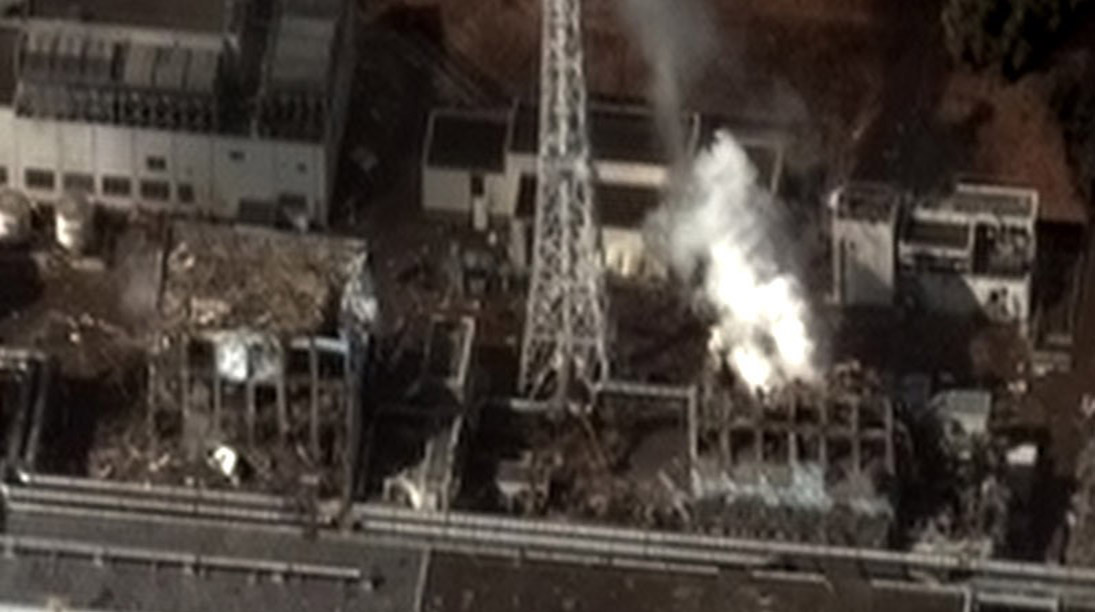
- Fukushima Daiichi (2011) — After a massive earthquake and tsunami, the plant lost power and cooling, producing core meltdowns, hydrogen explosions and large radioactive releases. The event prompted widespread evacuation, long-term contamination management, and a multi-decade decommissioning and remediation effort.
- Tokaimura criticality (1999) — At a fuel-processing facility, improper handling and procedural violations caused an uncontrolled critical chain reaction. Workers received lethal radiation doses and the episode exposed weaknesses in training and oversight for fuel-cycle operations.
- Monju fast-breeder reactor (1995) — A sodium leak and subsequent fire in a prototype breeder reactor led to long-term shutdown and public distrust of breeder technology. The difficulty of managing sodium coolant and the plant's long inactivity became emblematic of technical and managerial problems.
- Mihama steam explosion (2004) — A secondary-system pipe rupture and steam explosion in a pressurized system killed workers and revealed lapses in maintenance and inspection practices outside the reactor core itself.
- Kashiwazaki–Kariwa earthquake damage (2007) — An offshore quake damaged components at one of the world's largest nuclear sites, highlighting seismic vulnerability and triggering extended safety reviews and legal challenges.
Causes and technical characteristics
Accidents in Japan illustrate several distinct failure modes: loss of off-site power and station blackout leading to core damage (Fukushima), uncontrolled chain reactions from procedural errors (Tokaimura), chemical or coolant fires specific to reactor designs (Monju's sodium leak), and mechanical failures in secondary systems (Mihama). Seismic and tsunami hazards are recurring external drivers that can compromise multiple safety systems simultaneously.
Consequences, policy and remediation
These events produced immediate human and environmental effects, long-term displacement and cleanup challenges, and large economic costs. They also prompted major regulatory reforms: creation of a strengthened independent regulator, tighter siting and design standards, mandatory severe-accident countermeasures, and stress tests for reactors. Public opinion shifted sharply, leading to extended shutdowns, changes in electricity planning, and slower or halted development of new nuclear projects.
Notable lessons and distinctions
Key lessons include the importance of defense-in-depth for natural hazards, rigorous operational culture to prevent human errors, and design-specific risks (for example, sodium coolant behavior versus light-water reactor failure modes). Japan’s experience has been influential worldwide in reassessing seismic design, emergency planning, waste management and the social dimensions of nuclear risk.
While some accidents caused direct fatalities or severe exposures, others primarily produced long-term contamination, complex decommissioning problems, or industrial fatalities unrelated to radiation. Together these incidents continue to shape debates about energy security, disaster preparedness and the acceptable trade-offs of nuclear power in seismically active regions.
Related articles
Author
AlegsaOnline.com Nuclear accidents in Japan: major incidents, causes and aftermath Leandro Alegsa
URL: https://en.alegsaonline.com/art/71341
Sources
- commons.wikimedia.org : Nuclear and radiation accidents in Japan
- greens-efa.org : The World Nuclear Industry Status Report 2007
- businessinsider.com : "Japan Declares Nuclear Emergency, As Cooling System Fails At Power Plant"
- sbs.com.au : "Blasts escalate Japan's nuclear crisis"
- abc.net.au : "Crews 'facing 100-year battle' at Fukushima"
- economist.com : "Gauging the pressure"