
Nazi concentration camps and detention sites in Norway (World War II)
Overview of the camps, who was imprisoned, how they were run, known sites and estimates of scale, and how Norway remembers and studies these places today.
During the German occupation of Norway (1940–1945) the Nazi regime and its collaborators established a large network of detention sites across the country. These ranged from transit and imprisonment centers to forced-labour camps and locations used for mass murder or execution. The sites detained a wide variety of people: political prisoners and resistance fighters, Jewish citizens before deportation, Roma and Sinti, Soviet prisoners of war, and others deemed threats to German rule. Estimates of how many separate sites existed vary; research projects have catalogued several hundred camps, including many small temporary depots and work detachments.
Image gallery
7 Images


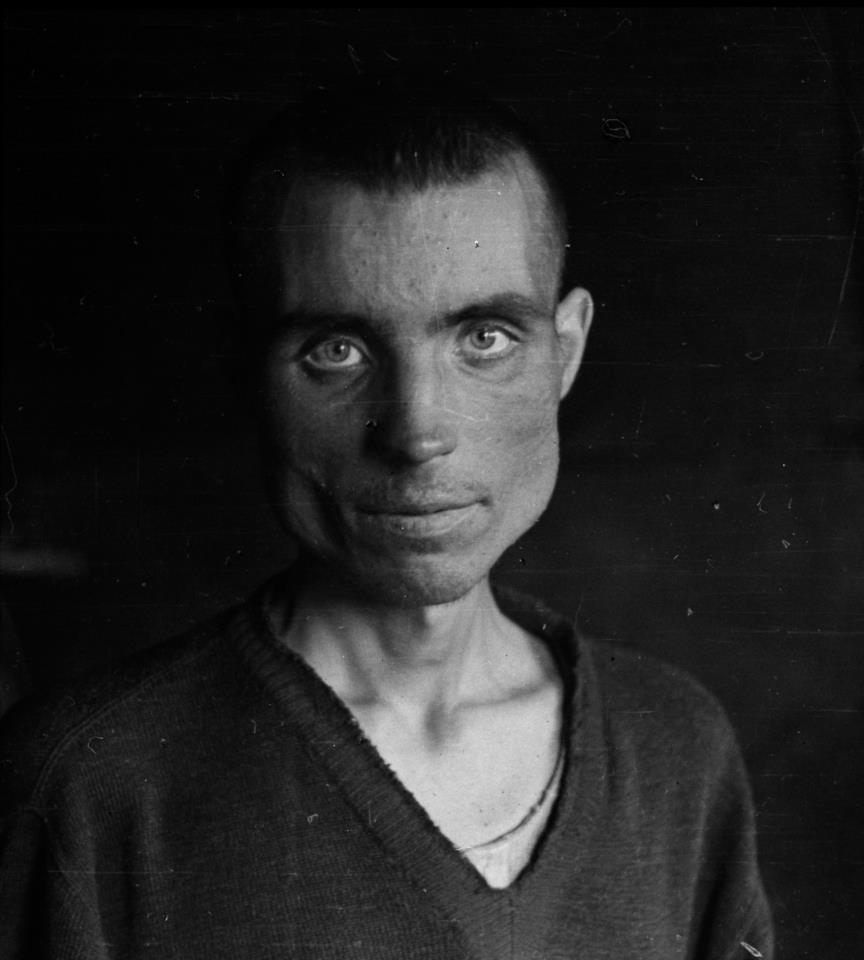


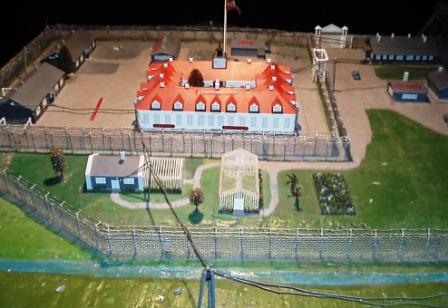
Types of camps and typical conditions
Camps in Norway were not uniform. Common types included:
- Transit and holding camps used to gather prisoners before deportation or transfer to mainland Europe;
- Forced-labour sites and work detachments where prisoners performed construction, road-building, mining, or military-support tasks;
- Concentration and incarceration camps for political prisoners, members of the resistance, and civilians; and
- Prisoner-of-war compounds, often run under brutal conditions, notably for Soviet POWs.
Conditions varied by camp and period but often involved overcrowding, insufficient food, harsh climate exposure, forced labour, and mistreatment by guards. Mortality rates were high in some prisoner groups, particularly among Soviet POWs and deported groups.
Notable sites
Several camps are well documented in Norwegian history. Grini, near Oslo, became the largest and most prominent incarceration camp for political prisoners and resistance members. Falstad in central Norway is known for executions and harsh treatment. Other known camps and compounds included Berg (used in part for Jews before deportation), Espeland and Ulven near Bergen, and a number of smaller installations scattered from the south to the far north of the country. Many of these places have been subject to local research, commemoration, or conversion into museums and memorials.
Administration and responsibility
The camps were operated under German authority—variously by the SS, the Wehrmacht, the Gestapo, or other occupying institutions—and often with assistance from Norwegian collaborationist structures such as parts of the police and administrative bodies. This shared responsibility has been an important subject of legal and historical scrutiny in postwar Norway.
Scale, victims, and deportations
Exact counts of camps and inmates are difficult because many sites were temporary or poorly documented. Scholarly projects and local inquiries have produced differing totals but consistently show that hundreds of separate sites were used for imprisonment or forced labour. Victim groups included thousands of political detainees, hundreds deported to Nazi extermination or concentration camps, and large numbers of Soviet POWs who suffered very high death rates. The wartime deportation of Norway’s Jewish population—many of whom were first held in local facilities—resulted in a significant portion being sent to killing centres in occupied Europe.
Research, remembrance and education
Since 1945 historians, survivors, municipalities and national institutions have worked to document the camps and preserve memory. Local museums, memorials at former camp sites, and national research projects systematically record names, locations and testimonies to create a fuller picture of the occupation’s detention system. For more on ongoing cataloguing and study of these sites see research project resources.
Understanding the full extent of Nazi camps in Norway requires attention to both the major, well-known camps and the many smaller or temporary facilities that together formed a coercive system under occupation. The topic remains an active field of research and public remembrance in Norway, central to debates about responsibility, resistance and the experiences of victims.
Related articles
Author
AlegsaOnline.com Nazi concentration camps and detention sites in Norway (World War II) Leandro Alegsa
URL: https://en.alegsaonline.com/art/71828
Sources
- norgesdokumentasjon.no : Rapporter fra Norge under okkupasjonen. Oversikt over antall sider i rapportene
- falstadsenteret.no : Painful Heritage › Falstadsenteret
- vg.no : VG Logo
- nrk.no : Følelsesladet møte med Karasjok
- nrk.no : Sergej ble «skutt under flukt» i Finnmark
- regjeringen.no : 11 Eitinger-rapporten - del 1
- nordlys.no : Utsultede fanger ble drevet til slavearbeid. NSB tiet om alt etter krigen
- nordlys.no : Dette er Nord-Norges ukjente bødler
- fangeleireneisaltdal.blogg.no : Fangeleirene i Saltdal
- polarbanen.no : Slaveanlegget i Nordland 1940-1945. Fangeleirer og russiske gravsteder. Vandalisering av russiske minnestøtter.
- digitaltmuseum.no : POLSK FANGELEIR. - Nordlandsmuseet / DigitaltMuseum
- ranablad.no : Grenseløs interesse for skjelettfunnet
- aftenposten.no : NSB said yes to
- nrk.no : Flytter E6 600 meter for å berge krigsfangeleir