
Noyellette — commune in Pas-de-Calais, northern France
Noyellette is a small rural commune in the Pas-de-Calais department in northern France. This article summarizes its location, administration, landscape, local life and practical visiting notes.
Overview
Noyellette is a commune in the Pas-de-Calais department (Pas-de-Calais) in the north of France. Historically it lay in the former Nord-Pas-de-Calais region; since 2016 the area is administered within the larger Hauts-de-France region. As a commune, Noyellette represents the lowest level of local government in France, providing municipal services and local representation.
Image gallery
3 Images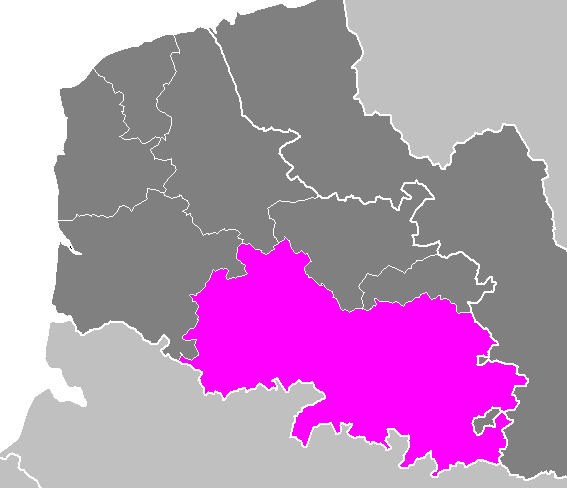


Characteristics and administration
The commune typically has a mairie (town hall), a parish church or former chapel and a war memorial, which are common focal points in small French villages. Local affairs are managed by a mayor and municipal council elected for fixed terms; many small communes cooperate within an intercommunal structure for schools, waste collection and transport. Official notices and administrative contacts are published by the mairie or on departmental portals (department pages).
History and landscape
The landscape around Noyellette is agricultural: fields, hedgerows and small pockets of woodland shape the local scenery. Like many villages in Pas-de-Calais, its history is rooted in rural settlement patterns and parish life; the area also bears traces of 19th- and 20th-century economic and military history. Local architecture often includes traditional stone or brick farmhouses and simple civic buildings.
Economy and culture
Local life is commonly organised around farming, small trades and services. Community activities can include seasonal festivals, commemorations at the war memorial and communal events organised by the mairie or local associations. Residents frequently travel to nearby towns for larger shops, medical services and secondary schools.
Visiting and practical information
- Practical details such as opening hours, permits and local news are available from the mairie or regional tourist offices; consult the local commune page or department resources for official information.
- Regional guides to the north of France highlight walking routes, countryside attractions and nearby historic towns that provide services and connections.
- Access is generally by local roads and regional bus services; for planning a visit check intercommunal transport information and timetables produced by departmental authorities.
For further administrative or statistical details consult municipal and departmental sources, and local intercommunal websites which typically list contacts, mayoral information and public service arrangements.
Related articles
Author
AlegsaOnline.com Noyellette — commune in Pas-de-Calais, northern France Leandro Alegsa
URL: https://en.alegsaonline.com/art/71306