
Northeastern University
Private research university in Boston known for cooperative education, experiential learning, and growing research activity; founded in 1898 and led by President Joseph Aoun.
Northeastern University is a private research university located in the city of Boston. It enrolls roughly 20,000 students across undergraduate, graduate and professional programs and is led by President Joseph Aoun. For institutional details and resources, see the university's official pages here.
Image gallery
10 Images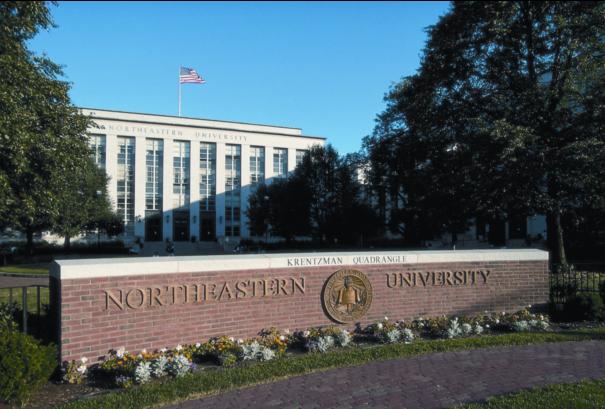


Overview and mission
The institution emphasizes applied learning, research, and career preparation. Northeastern combines classroom study with prolonged work placements and project-based experiences intended to connect academic learning to professional practice. Its urban campus is integrated with Boston's cultural and business districts, providing students with access to internships, research partners, and civic engagement opportunities. Learn more about the city context at Boston.
Academics and structure
Programs span a range of disciplines, including engineering, business, computer and information sciences, health sciences, social sciences, arts, and law. Northeastern awards bachelor’s, master’s, and doctoral degrees and supports interdisciplinary study. Educational offerings are often linked to experiential elements—cooperative education, research apprenticeships, clinical rotations, and industry projects.
Cooperative education and experiential learning
A defining feature is the cooperative education (co-op) program, which places students in extended, paid or credit-bearing work rotations with employers. This model, developed over many decades since the university's founding in 1898, is intended to strengthen career readiness and employer ties and is widely discussed as a distinguishing aspect of Northeastern's approach to higher education. Historical context for the university's founding year can be found here.
Research, partnerships, and global engagement
Northeastern is classified among research-intensive universities and supports centers and institutes that work with industry, government, and community partners. The university has expanded its international collaborations and programs to provide global learning opportunities and research networks, while maintaining a strong focus on applied, problem-oriented investigation.
Notable characteristics
- Emphasis on experiential learning and career preparation.
- Urban campus with connections to Boston's economy and culture.
- Range of professional schools and interdisciplinary research centers.
Together these elements describe an institution that evolved from a local technical and evening school into a comprehensive research university with a distinctive emphasis on integrating education and work experience.
Related articles
Author
AlegsaOnline.com Northeastern University Leandro Alegsa
URL: https://en.alegsaonline.com/art/71002