
Northbridge (computer chipset component)
A northbridge is the high-speed chipset component on a PC motherboard that links the CPU to memory and graphics and works with the southbridge to provide platform I/O.
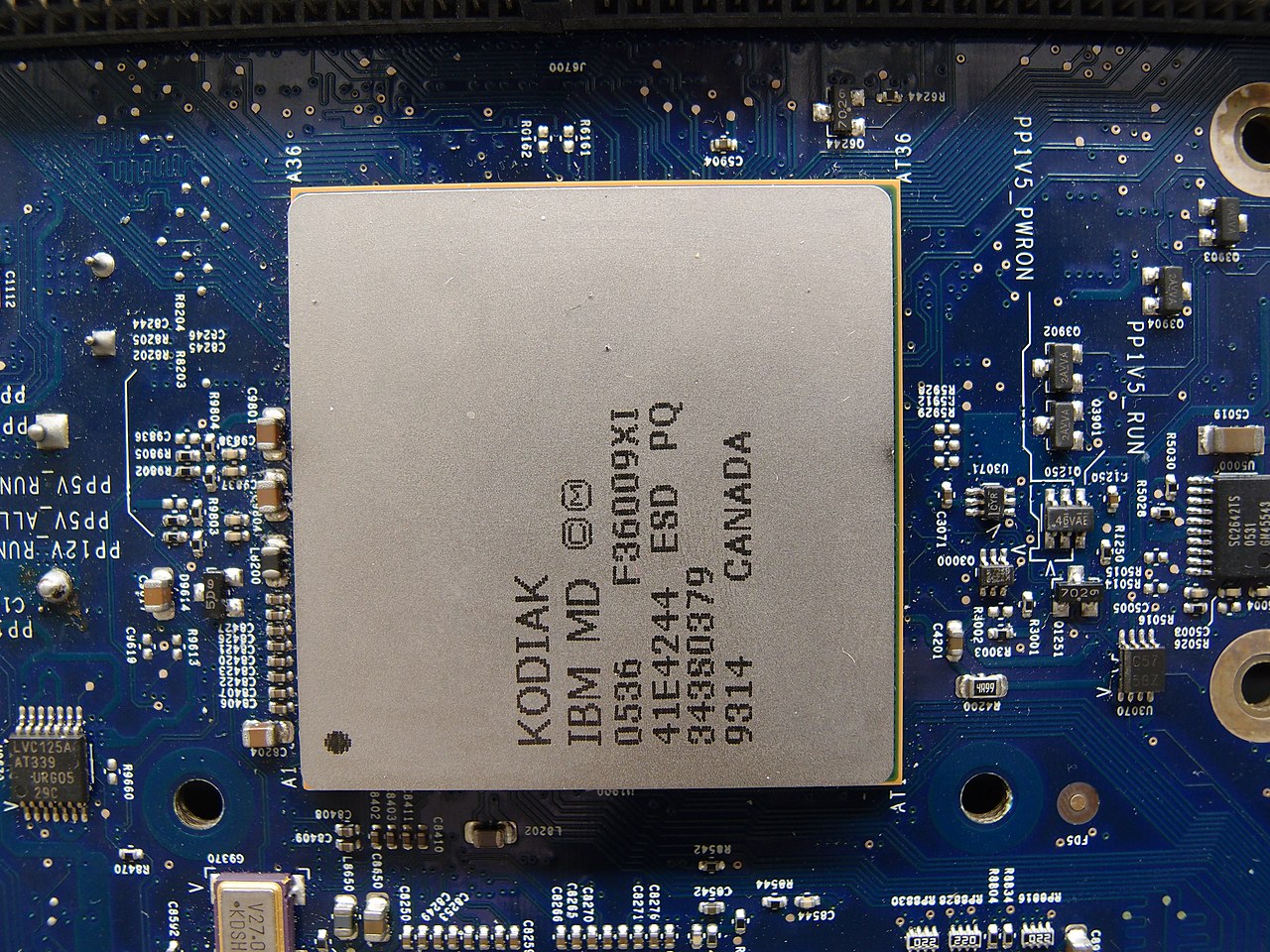
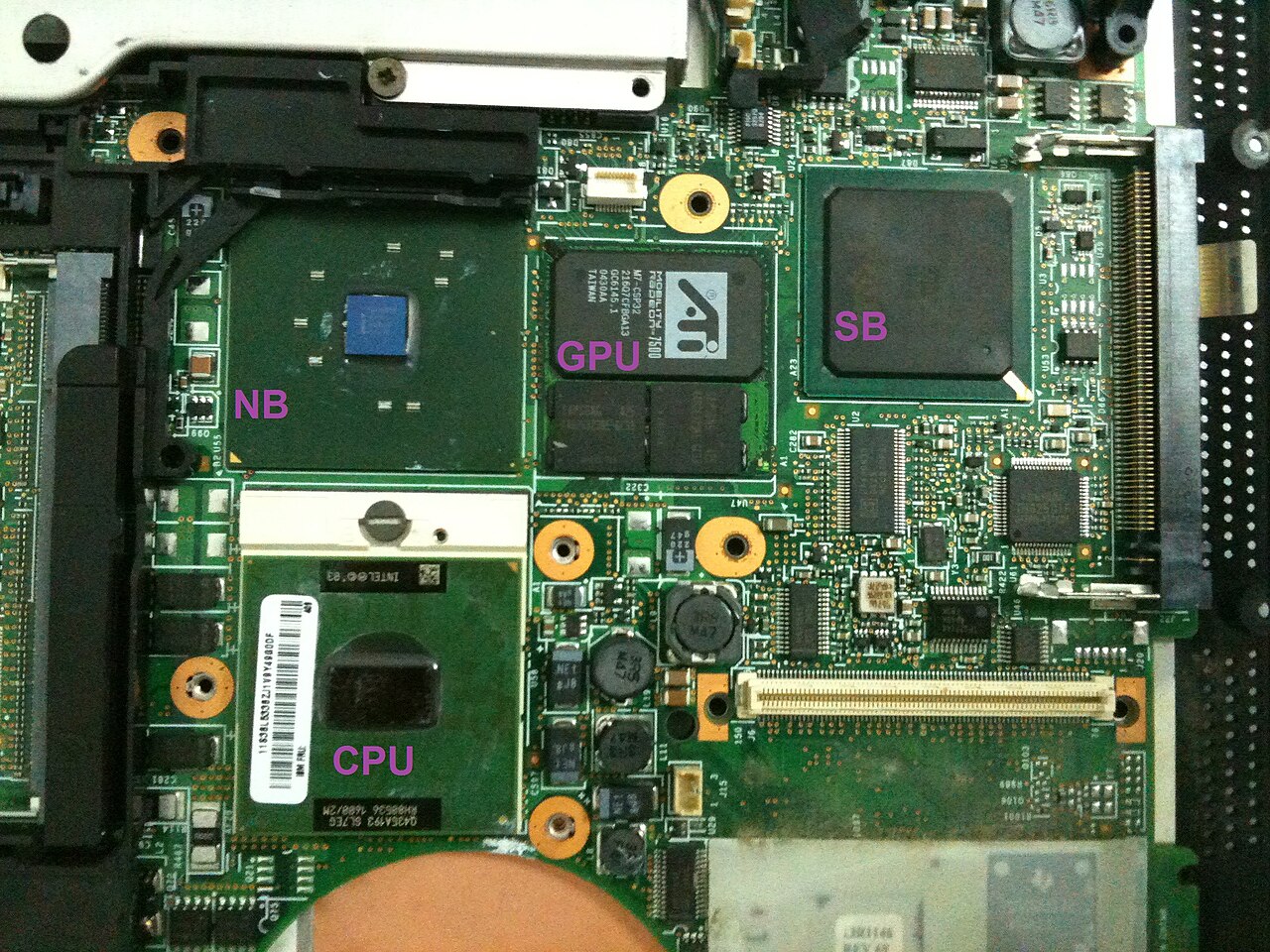
The northbridge is a principal component of a computer's chipset that historically managed the highest-speed pathways between the processor and key subsystems. Located on the motherboard near the CPU socket, the northbridge handled traffic between the central processing unit, main memory, and graphics interfaces, while coordinating with a companion chip known as the southbridge for lower‑speed I/O. Together the two chips formed the platform logic that tied the system together.
Image gallery
3 Images
Function and architecture
Traditionally, the northbridge implemented a set of performance‑critical controllers and interconnects. Typical responsibilities included the memory controller (which arbitrates access to DRAM), the primary graphics bus (AGP in earlier systems, later PCI Express), and the link or bus connecting to the CPU (examples include front-side bus or point‑to‑point links). Because these interfaces carry intensive, latency‑sensitive traffic, the northbridge was designed for speed and was often placed physically close to the processor.
- Primary roles: memory control, graphics interface, CPU interconnect coordination.
- Common interfaces: DDR memory channels, AGP/PCIe lanes, and chipset-to-chipset links.
- Form factor: implemented as one or more dedicated integrated circuits on the motherboard.
History and evolution
In early PC architectures, separating northbridge and southbridge made it easier to mix and match features across platforms. Over time, however, chipmakers pursued greater integration to lower latency and energy use. Many modern CPUs incorporate functions that once lived in the northbridge, such as the memory controller and sometimes graphics. As a result, the discrete northbridge's role diminished: platform designs migrated toward single‑chip solutions or a main controller plus an I/O hub, and manufacturers adopted new names and topologies for the remaining chipset logic.
Practical significance and examples
Although the term "northbridge" is less common in current product literature, understanding it helps explain system behavior. Because the northbridge managed memory access and the graphics link, its design influenced memory latency, multi‑GPU support, and overclocking headroom. When memory controllers were moved onto the CPU die, systems gained reduced latency and simplified motherboard layouts, but some flexibility in chipset‑level features changed as a consequence.
From a troubleshooting perspective, problems that used to be described as "northbridge failures" typically manifested as memory errors, display issues, or boot instability. Modern equivalents might instead be diagnosed as CPU or integrated‑controller faults rather than a separate chipset chip malfunction.
In summary, the northbridge concept describes the high‑performance logic that once sat between the processor and system resources. Its historical role shaped how motherboards routed critical signals and how vendors optimized platform performance; even though many of its functions are now integrated into processors or consolidated into a single controller, the term remains useful when discussing legacy hardware and chipset architecture.
Related articles
Author
AlegsaOnline.com Northbridge (computer chipset component) Leandro Alegsa
URL: https://en.alegsaonline.com/art/70990