
North Sikkim district, Sikkim, India
North Sikkim is a sparsely populated, high‑altitude district of the Indian state of Sikkim, known for alpine landscapes, protected areas, and remote towns such as Mangan, Lachen and Lachung.
Overview
North Sikkim is a mountainous district in the Indian state of Sikkim. Its administrative headquarters is Mangan. The district is among the least populous in the country and is characterised by steep valleys, high passes and sparse settlements. Much of the area is alpine or subalpine and remains relatively remote compared with other parts of the state.
Image gallery
10 Images




Geography and environment
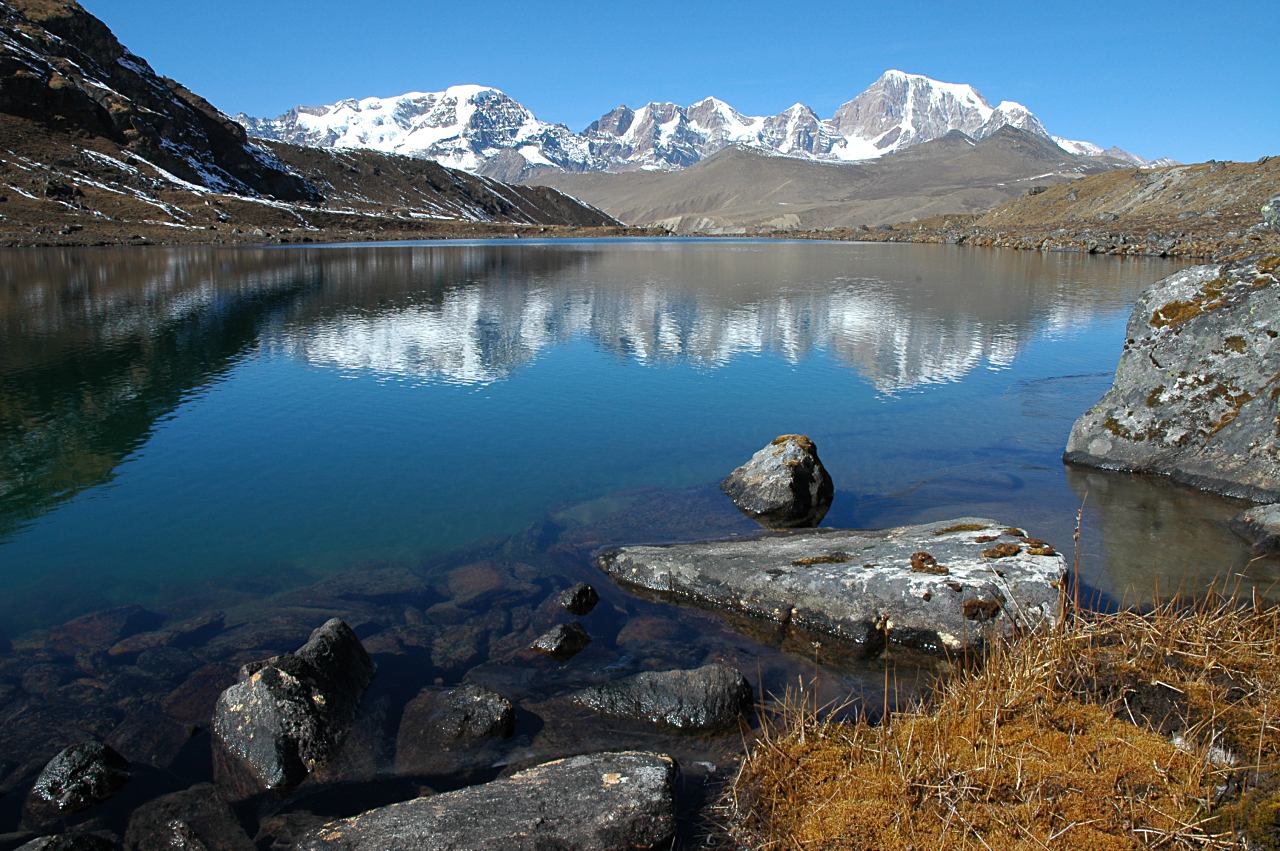
The district occupies the northern section of Sikkim and rises from deep river gorges to some of the highest terrain in the eastern Himalaya. It includes glacier‑fed lakes, rhododendron forests, alpine meadows and areas of permanent snow. Large tracts are within protected landscapes and the climate varies sharply with elevation, producing distinct ecological zones in a relatively short distance.
Towns, administration and people
Key settlements include the headquarters at Mangan and the mountain towns of Lachen and Lachung, which serve as bases for local administration and tourism. The population is small and scattered; communities include indigenous groups such as Lepcha and Bhutia alongside Nepali speakers. Traditional livelihoods combine subsistence agriculture, pastoralism and government or service work in the larger villages.
History and governance
Historically part of the Kingdom of Sikkim, North Sikkim became an administrative district as the modern state structure evolved in the 20th century. Its frontier location adjacent to the Tibetan Plateau gives it strategic importance and has influenced infrastructure and access policies. Local administration focuses on balancing development with conservation and border management.
Tourism and notable sites
- Yumthang Valley, often called the "Valley of Flowers" for its spring blooms.
- Gurudongmar Lake, a high‑altitude freshwater lake revered for its clear waters and views.
- High mountain passes and trekking routes from Lachen and Lachung that provide access to remote landscapes.
- Parts of the Khangchendzonga protected area, valued for biodiversity and scenery.
Conservation and significance
North Sikkim plays an important role in regional conservation. Its high‑altitude habitats support rare species and fragile ecosystems, prompting protected status for large areas. At the same time the district contributes to Sikkim's cultural diversity and to adventure and nature tourism, which are significant for the local economy while posing management challenges for access, waste and habitat protection.
Related articles
Author
AlegsaOnline.com North Sikkim district, Sikkim, India Leandro Alegsa
URL: https://en.alegsaonline.com/art/70945
Sources
- census2011.co.in : "District Census 2011"
- currentscience.ac.in : "Sikkim claims India's first mixed-criteria UNESCO World Heritage Site"
- nird.org.in : "A Note on the Backward Regions Grant Fund Programme"
- cia.gov : "Country Comparison:Population"