
North Woolwich
North Woolwich is a riverside district on the north bank of the Thames in the London Borough of Newham. Historically an exclave of Woolwich and Kent, it has a dockland past and ongoing regeneration.
North Woolwich is a neighbourhood on the northern bank of the River Thames located within the London Borough of Newham. It faces the town of Woolwich across the river and is considered part of the eastern side of South East London. Although physically in Essex territory across the Thames, North Woolwich long had administrative and social links to Woolwich on the opposite bank.
Image gallery
4 Images


History and administrative status
The area's odd administrative arrangement dates back to the aftermath of the Norman Conquest: land north of the river was held and governed as part of the Woolwich estate on the south bank. For many centuries North Woolwich functioned as an exclave of the county of Kent, despite lying on the Essex side of the Thames. That anomaly survived into the era of modern local government until 20th‑century reorganisations brought the district into the governance of London authorities.
Character and built environment
Historically dominated by docks, shipbuilding and riverside industry, North Woolwich developed a mix of working‑class terraces and post‑war housing. Many of the industrial sites declined in the later 20th century; since then the river frontage and former docklands have been the focus of redevelopment for housing, public open space and riverside promenades. Some older buildings and infrastructure remain as reminders of the maritime past.
Transport and connections
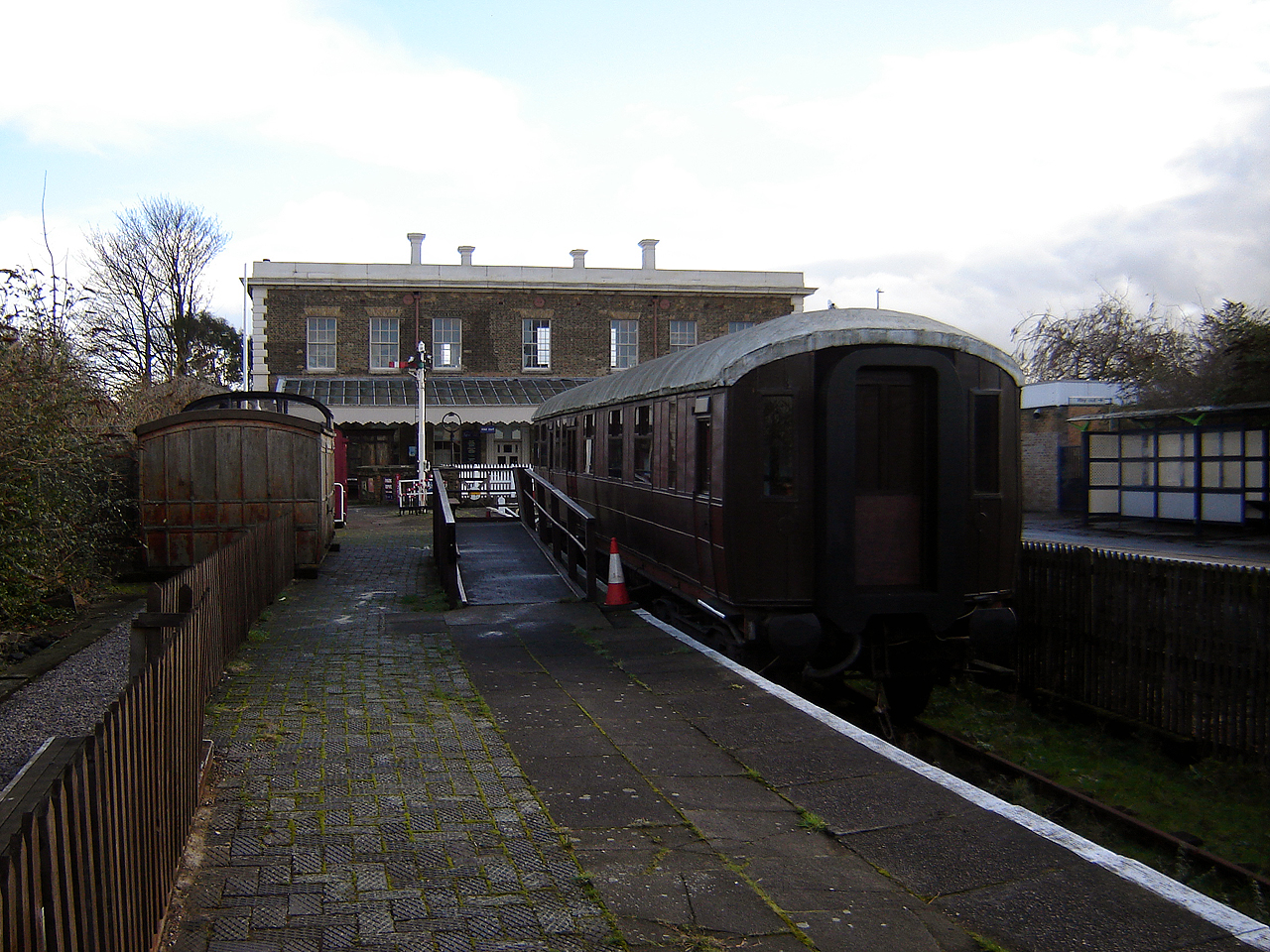
Its position beside the Thames has made river crossings and transport links important. Passenger ferry services and nearby vehicular crossings connect it directly to Woolwich; local rail and bus services provide routes into central and east London. A short branch line and a small historic station once served the area and the station building was later used for local interpretation of the district's transport history.
Modern role and notable facts
Today North Woolwich plays a part in the wider regeneration of London's Royal Docks and East London docklands. Community groups, new housing schemes and riverside amenities have sought to balance conservation of heritage with contemporary development. Key points about the district include:
- Its long‑running status as an administrative exclave linked to Woolwich in Kent, despite being on the Essex bank (Essex side) of the Thames.
- A maritime and industrial heritage tied to the docks and river trade.
- Post‑industrial regeneration focused on riverside housing, parks and transport improvements.
- Local cultural and historical interest in small museums, preserved structures and community projects.
For those researching London's complex geography and the history of the Thames-side communities, North Woolwich provides a clear example of how medieval landholding patterns and later urban change produced unusual administrative boundaries and a distinctive riverside character. Further local information and contemporary planning details can be obtained from borough resources and local history groups (Newham, regional sources).
Related articles
Author
AlegsaOnline.com North Woolwich Leandro Alegsa
URL: https://en.alegsaonline.com/art/70974