
North-East District (Botswana)
Administrative district in northeastern Botswana, centered on Francistown; includes two sub-districts, a mix of urban centre, agricultural villages and historic mining activity.
Overview
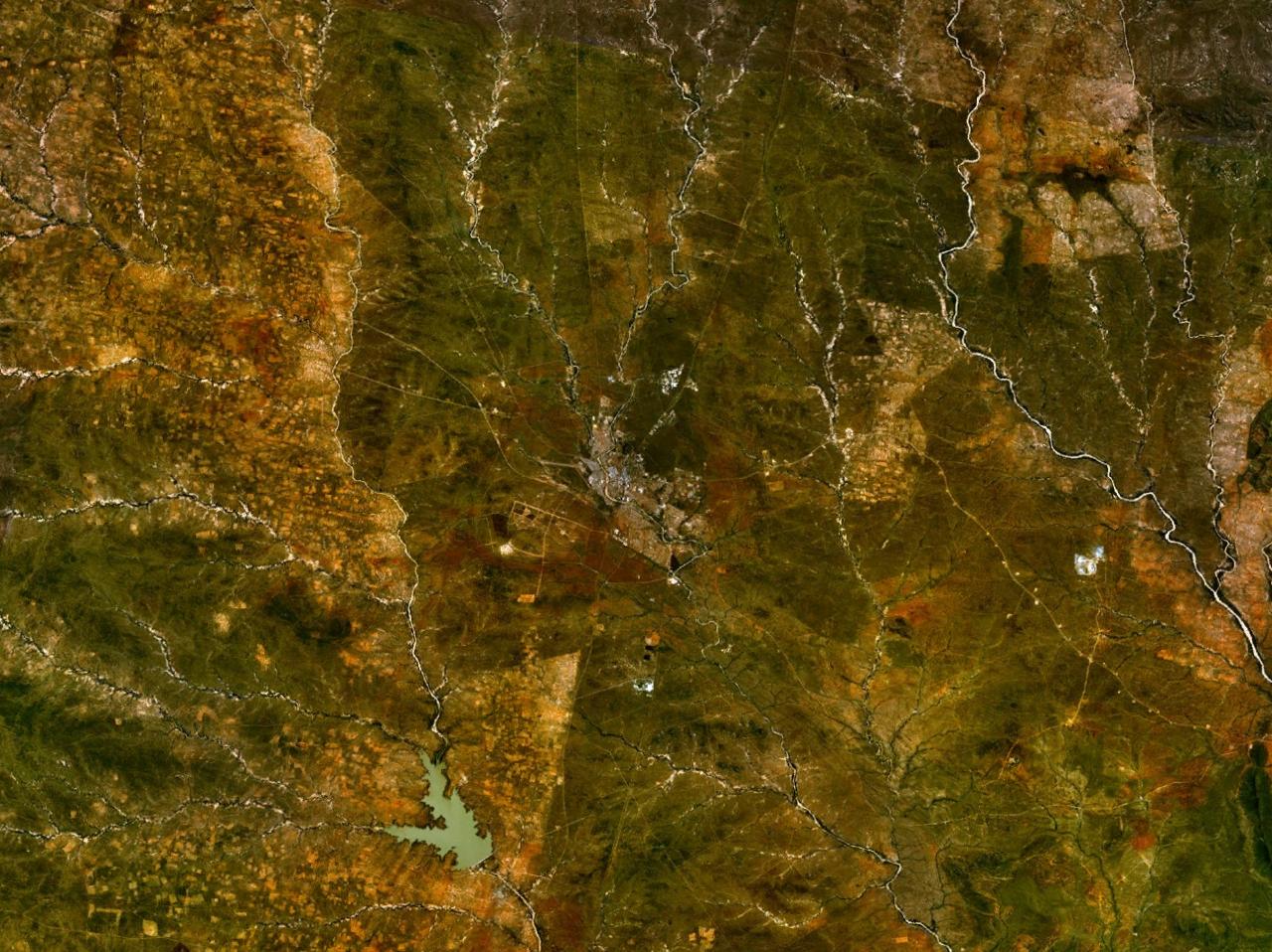
The North-East District occupies the northeastern corner of Botswana and is centred on the city of Francistown, which serves as the district's primary administrative and commercial hub. The district lies close to the international border with Zimbabwe and combines an urban centre with surrounding rural villages and farming areas.
Image gallery
3 Images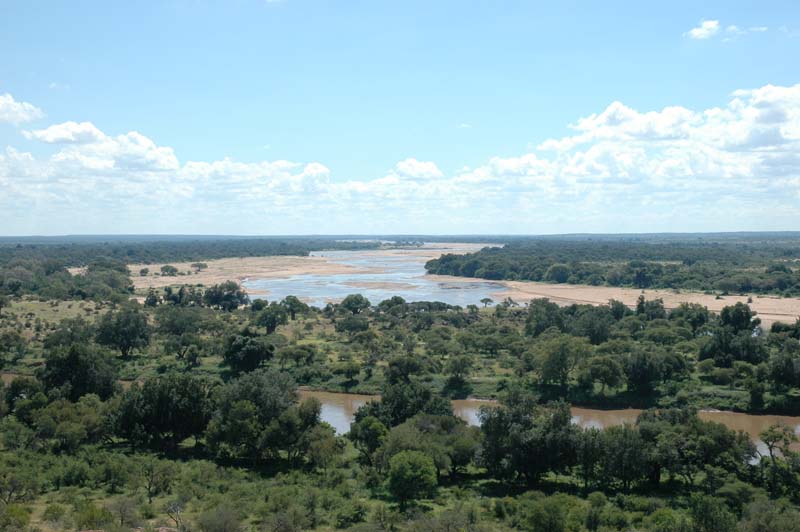

Administrative structure
The district is organised into two sub-districts: administrative units that provide local services and development planning. Official records from the 2011 census list 43 villages within the district, ranging from small rural settlements to larger peri‑urban communities near Francistown.
- Francistown Subdistrict
- North-East Subdistrict
Francistown itself is often treated separately for municipal governance but remains the main service centre for the wider district, hosting regional health, education and commerce facilities.
Geography and environment
The North-East District sits in a generally semi-arid environment characteristic of eastern Botswana. Drainage is seasonal, with small rivers and pans that fill in the rainy season. Soils and veld support mixed use: communal grazing, subsistence cropping and patches of irrigated agriculture close to settlements.
History and development
The area developed in part because of its mineral prospects. The discovery of gold and other minerals in the late nineteenth and early twentieth centuries stimulated settlement around Francistown, which grew into a regional transport and trading centre. Over time the economy diversified into commerce, services and small-scale agriculture.
Economy, transport and services
Today the district's economy is a mix of urban commerce centred in Francistown and rural livelihoods in the surrounding villages. The city functions as a transport node with major roads and rail connections linking southern Botswana to neighbouring countries, making cross-border trade important to local markets. Public services such as regional hospitals, secondary schools and administrative offices are concentrated in the urban area, while clinics and primary schools serve smaller communities.
Notable facts and role
The North-East District is notable for combining an important urban centre with a largely rural hinterland. Its proximity to an international border and its transport links give it strategic importance for trade and movement. Ongoing local development efforts focus on improving infrastructure, water supply and diversified livelihoods for village residents.
Related articles
Author
AlegsaOnline.com North-East District (Botswana) Leandro Alegsa
URL: https://en.alegsaonline.com/art/70865