
Bismarck, North Dakota — State capital and regional center
Bismarck, founded in 1872, is the capital of North Dakota. A political, economic, and cultural hub on the Missouri River, it anchors the Bismarck–Mandan area and serves a large rural region of the northern Plains.
Overview
Bismarck is the capital city of the U.S. state of North Dakota and the county seat of Burleigh County. Located on the east bank of the Missouri River, it lies directly across the river from Mandan and together they form the core of the Bismarck–Mandan metropolitan area. Bismarck has served as North Dakota’s political center since statehood in 1889 and functions as a commercial, cultural, and service hub for south-central North Dakota and parts of neighboring South Dakota. The city was founded in 1872 and named in honor of the German statesman Otto von Bismarck.
Image gallery
10 Images


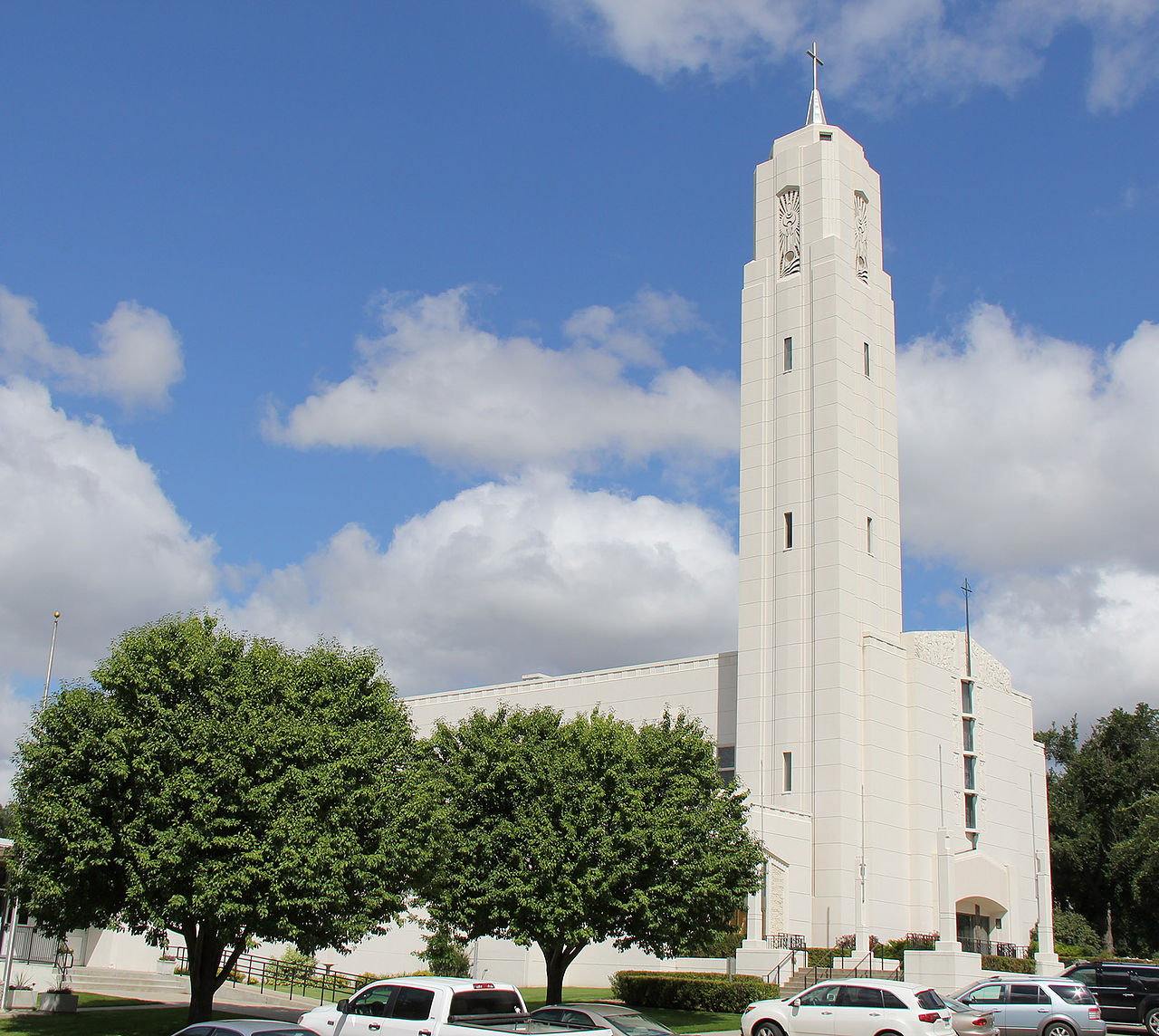

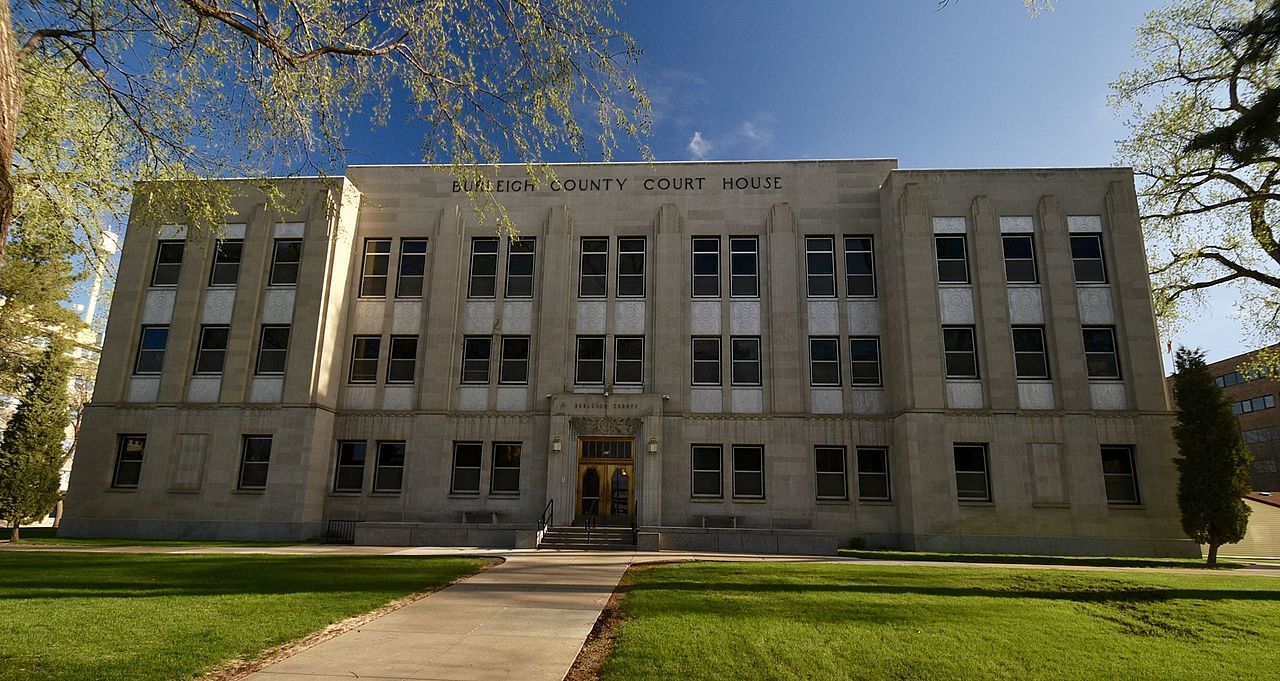
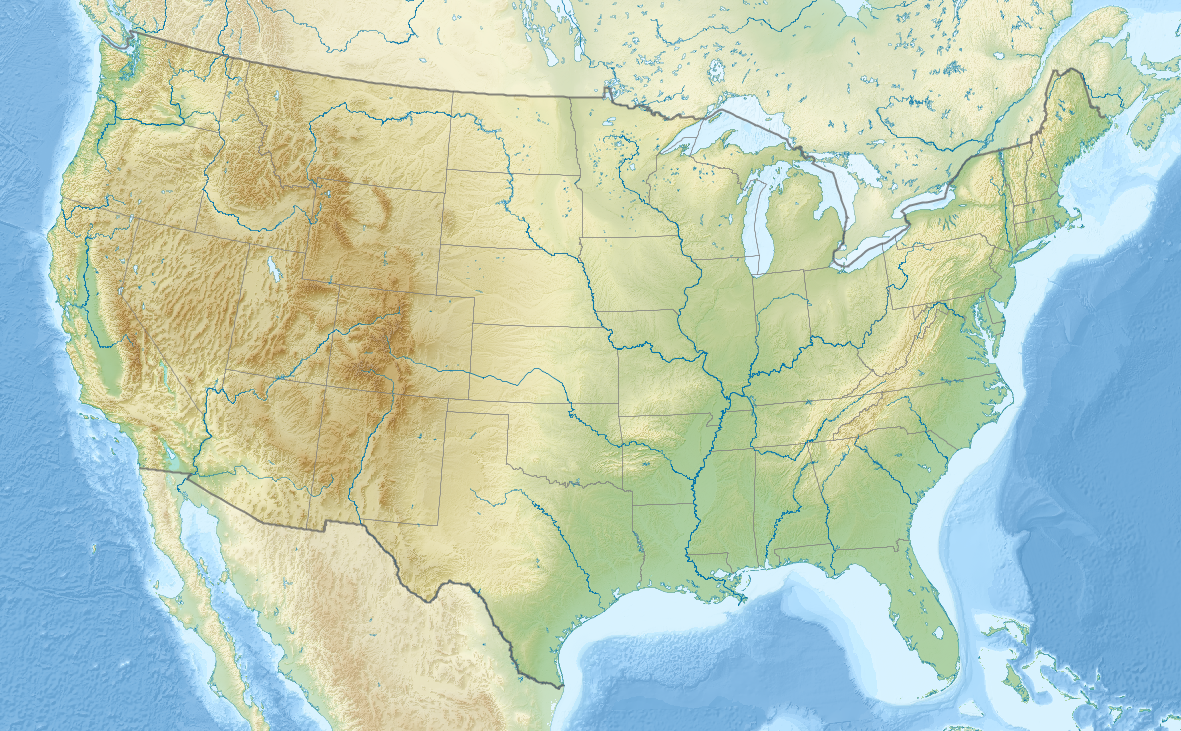

Geography and climate
Bismarck is situated near the geographic center of the state on a broad floodplain and terrace above the Missouri River. The city’s riverside location shaped its early development as a transportation and trade point and continues to influence recreation and land use. Bismarck experiences a continental climate with cold winters, warm summers, and a wide annual temperature range typical of the northern Great Plains. Seasonal snow, spring runoff on the river, and warm summer days are normal parts of the local climate pattern.
History
Established in the early 1870s during westward expansion and the arrival of railroads, Bismarck developed as a river port and rail center. Its selection as the territorial and later state capital in 1889 anchored government institutions and drew public investment. The city's name, chosen by local promoters, honored the 19th-century German chancellor and reflected immigrant connections and international interest in the region. Local history includes Native American heritage, fur trade routes, military posts in the nearby area, and settlement patterns tied to agriculture and transportation.
Government and economy
As the state capital, Bismarck hosts the North Dakota State Capitol and many state agencies; public employment is a major part of the local economy. State government work, courts, and legislative activity sustain thousands of jobs in the city. The economy is diversified by health care, education, retail trade, professional services, and regional financial institutions. Bismarck also serves as a medical and commercial center for surrounding rural counties and offers services used by residents across a broad area of the Plains.
Demographics and urban area
Population figures have varied over time; according to the 2010 census, the city had about 61,272 residents and the wider metropolitan area numbered roughly 108,779. The combined Bismarck–Mandan area operates as a shared labor market and service region with commuting, commerce, and cultural ties linking the two cities. Growth trends have been influenced by government employment, regional economic cycles, and the availability of services and housing.
Education, health care, and institutions
Bismarck is home to public and private educational institutions, including community and technical colleges and branches of regional universities, which provide workforce training and continuing education. Health care is a prominent sector; the city contains hospitals and clinics that serve the region and support medical specialties and emergency services. State institutions, museums, and civic organizations contribute to community life and public programs.
Culture, recreation, and landmarks
Cultural life in Bismarck includes museums, historic sites, performing arts organizations, and annual festivals that reflect agricultural heritage, immigrant traditions, and Native American cultures. Outdoor recreation centers on the Missouri River, parks, trails and nearby state parks and lakes where boating, fishing, hiking and winter activities take place. Notable civic landmarks include the state capitol tower, riverfront parks, and downtown civic buildings that attract visitors and provide public space.
Transportation
Bismarck is connected by regional highways, intercity rail and bus services, and a commercial airport that links the capital to larger hubs. The city’s location at the intersection of road networks makes it an important transfer and logistics point for central North Dakota. Local transit, road maintenance, and infrastructure planning focus on serving both city residents and the broader rural population who travel to Bismarck for services.
Relations and regional role
Bismarck’s position as a state capital gives it responsibilities as a policy center and public employer, while its economic role extends across county lines. The city’s partnerships with neighboring Mandan, county governments, tribal nations, and regional organizations shape planning, economic development, and cultural programming. For general information about the city and its government, see the capital city resources and state-level historical overviews that document Bismarck’s growth and civic functions.
Related links and topics: capital city information, state history, chancellor, and regional geography and transportation guides.
Questions and answers
Q: What is Bismarck?
A: Bismarck is the capital city of the U.S. state of North Dakota.
Q: How many people lived in Bismarck according to the 2010 census?
A: According to the 2010 census, 61,272 people lived in Bismarck.
Q: Who is Bismarck named after?
A: Bismarck is named in honor of the German chancellor, Otto von Bismarck.
Q: Where is Bismarck located?
A: Bismarck is located on the east side of the Missouri River, directly across the river from Mandan.
Q: What is the North Dakota State Capitol?
A: The North Dakota State Capitol is the tallest building in the state and it's located in the center of Bismarck.
Q: How many people lived in the metropolitan area of Bismarck according to the 2010 census?
A: According to the 2010 census, 108,779 people lived in the metropolitan area of Bismarck.
Q: What is the economic center of south-central North Dakota and north-central South Dakota?
A: Bismarck is the economic center of south-central North Dakota and north-central South Dakota with health care and retail businesses.
Related articles
Author
AlegsaOnline.com Bismarck, North Dakota — State capital and regional center Leandro Alegsa
URL: https://en.alegsaonline.com/art/11799
Sources
- geonames.usgs.gov : "US Board on Geographic Names" · webcitation.org
- quickfacts.census.gov : "Bismarck (city) Quick Facts from the U.S. Census Bureau"
- census.gov : "Metropolitan and micropolitan statistical area population and estimated components of change: April 1, 2000 to July 1, 2009"
- dmr.nd.gov : dmr.nd.gov/ndgs/Publication_List/pdf/geoinv/GI_3.pdf
- commons.wikimedia.org : Bismarck, North Dakota