
North American Aerospace Defense Command (NORAD)
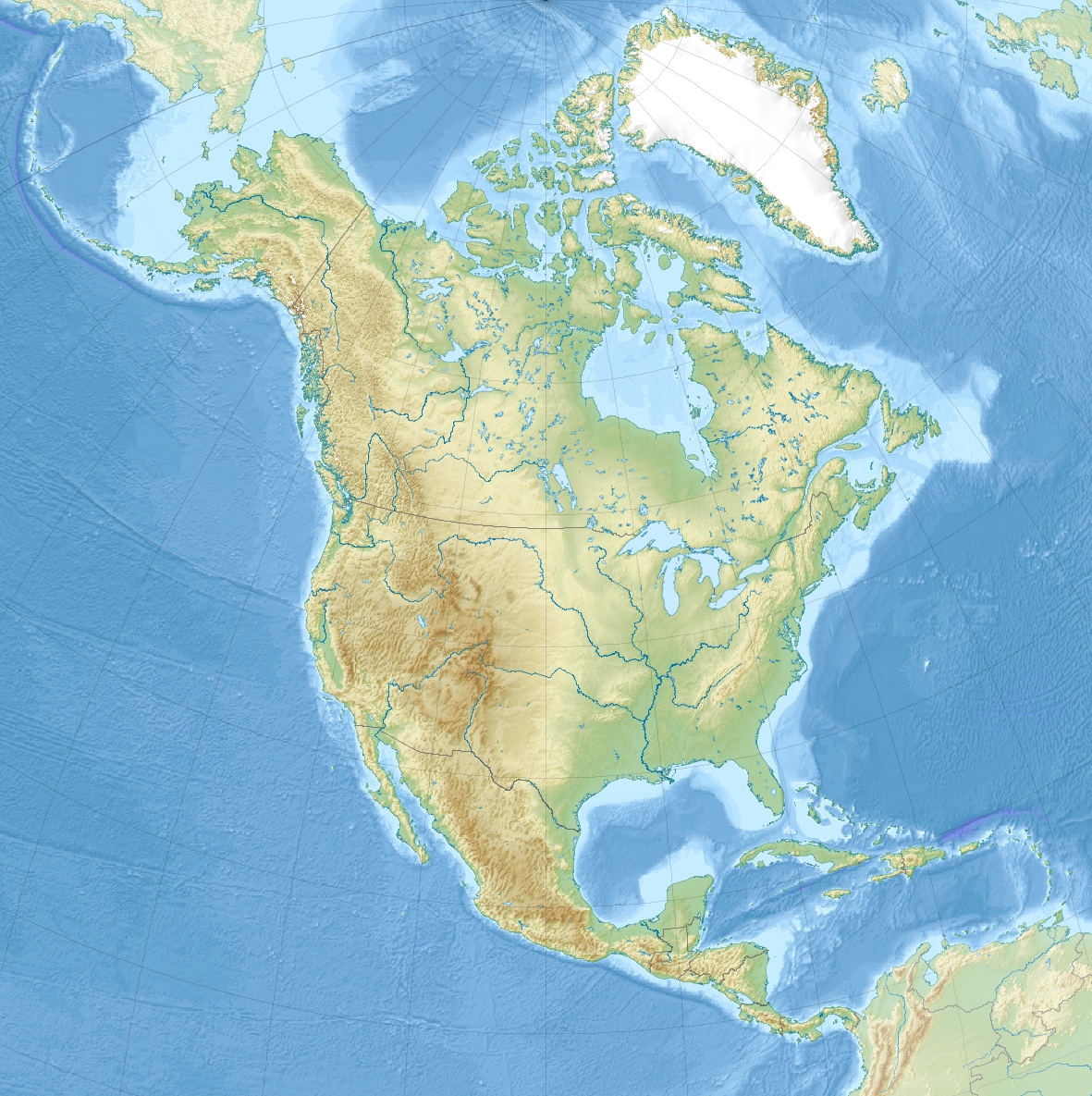
NORAD is a binational Canada–United States organization responsible for aerospace warning, air sovereignty and maritime warning for North America. Founded in 1958, it combines sensors and command centers.
The North American Aerospace Defense Command (NORAD) is a binational military organization charged with detecting, validating and warning of airborne or missile threats to the continent. Established during the Cold War, NORAD brings together forces and sensors from both Canada and the United States to provide continuous surveillance and threat assessment across North America. Its work involves real‑time coordination of radar, satellite and human reporting to maintain awareness of the air and space approaches to the continent.
Image gallery
5 Images



Mission and responsibilities
NORAD’s primary responsibilities are commonly described in three categories: aerospace warning, aerospace control and maritime warning. Aerospace warning means detecting and characterizing incoming aircraft, missiles or space launches that could affect the continent. Aerospace control involves coordinating response measures, including fighter aircraft scrambling and information sharing with civil authorities. Maritime warning covers the monitoring of sea approaches when they affect continental security.
Organization, command and facilities
The command is structured as a joint, binational headquarters with a combination of Canadian and U.S. military personnel. Traditionally the NORAD commander has been an officer from the U.S. military and the deputy commander from the Canadian Armed Forces, reflecting the partnership between the two countries. Key facilities include operations centers in Colorado; historically NORAD’s hardened technical complex inside Cheyenne Mountain has been central to its identity, giving rise to the informal name "Cheyenne Mountain" for the organization. Operations and administrative headquarters are also associated with installations near Colorado Springs, Colorado, including facilities at Peterson and Schriever.
Systems and methods
- Integrated sensor networks: ground‑based radar, airborne patrols and space‑based sensors.
- Command and control centers: continuously staffed operations centers that fuse data and provide alerts.
- Binational communications and protocols: procedures to share data rapidly between nations and with civilian authorities.
History and development
NORAD was created in 1958 in response to the perceived threat of long‑range Soviet bombers and later, ballistic missiles. It evolved from earlier continental air defense efforts and adapted through the Cold War and into the post‑Cold War era by incorporating satellite surveillance and modernized command systems. Over decades the command has shifted some day‑to‑day activities to newer facilities while retaining legacy hardened sites for contingency operations.
Activities and public programs
In addition to its military duties, NORAD engages in public outreach and cooperative exercises with allied and civil agencies. A well‑known civilian‑facing initiative is the annual "NORAD Tracks Santa" program, which has become a popular public tradition. NORAD also participates in multinational exercises and supports responses to airspace incidents, natural disasters and other events where coordinated surveillance and control are needed.
Significance and distinctions
NORAD represents a long‑standing model of close military cooperation between sovereign nations for the collective defence of a geographic region. Its binational command structure, continuous operational posture and integration of diverse sensor platforms make it a central element in continental security. For further background and official resources, see national defence publications and the respective government pages for Canada and the United States, and general regional security material linked for North America and Colorado‑based facilities such as Cheyenne Mountain.
Related articles
Author
AlegsaOnline.com North American Aerospace Defense Command (NORAD) Leandro Alegsa
URL: https://en.alegsaonline.com/art/70804
Sources
- norad.mil : NORAD Official Site
- wikidata.org : wikidata.org/wiki/Q748010
- aleph.nkp.cz : ntk2017949745