
Norman language (Norman French)
A Western Romance language of Normandy and the Channel Islands, closely related to French with Norse influence. Shaped English after 1066; now regional, with distinct continental and insular varieties and revival efforts.
Overview
The Norman language is a Western Romance language traditionally spoken in the region of Normandy and on several of the Channel Islands. It descends from Vulgar Latin and developed alongside the varieties that became modern French. Because of its historical role in England after 1066, Norman is often referred to as "Norman French"; its presence in medieval courts, administration and literature left a lasting mark on the development of English.
Image gallery
2 Images
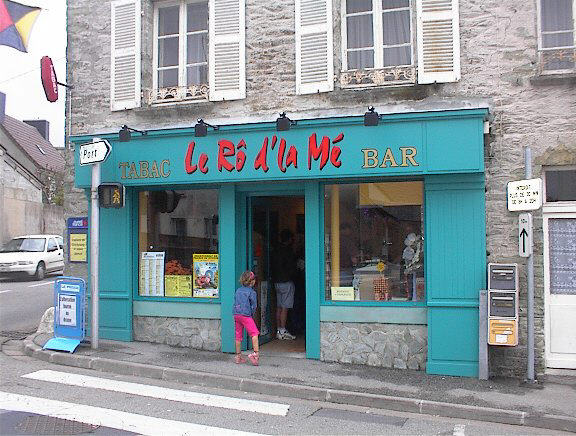
Characteristics
Norman shares many grammatical and lexical features with other Oïl languages but retains distinctive traits. Phonology and vocabulary show influences from Old Norse, brought by Viking settlers, and from regional substrates. Compared with standard French, some Norman varieties preserve older consonant or vowel qualities and use different verbal or nominal forms. Orthography is not fully standardized; written forms range from local spellings to systems used for teaching and revival.
History and development
The language arose in the early Middle Ages as Romance speech in northern Gaul absorbed Norse elements after Viking settlement. As the Duchy of Normandy developed into a regional power, Norman became the tongue of the ruling class. The 1066 Norman Conquest of England established Anglo-Norman as a language of governance and literature in England and influenced legal, administrative and cultural vocabulary in English. From the late medieval period onward, continental Norman gradually declined in prestige and use, while insular varieties on the Channel Islands continued to survive.
Varieties and current status
- Continental dialects: for example, Cotentinais and Cauchois, spoken in different parts of Normandy.
- Insular dialects: Jèrriais (Jersey), Guernésiais (Guernsey) and Sercquiais (Sark), each with its own features and literary traditions.
Today Norman is considered a regional and in many cases endangered language. The Channel Island varieties have larger speaker communities and active cultural associations. On the French mainland, speakers are fewer and efforts focus on documentation, teaching in schools, and cultural promotion through festivals, radio and publications.
Uses, influence and notable facts
Beyond its value as an emblem of local identity, Norman has left an outsized legacy through the medieval period: many elements of English legal, administrative and social vocabulary entered English via Anglo-Norman. Norman also produced a corpus of poetry, chronicles and administrative records in the Middle Ages. Modern interest in the language centers on cultural revival, bilingual education initiatives, and the preservation of dialect literature and oral traditions. Because of dialectal diversity, historical importance and ongoing revitalization work, Norman remains a subject of linguistic and cultural study.
For further reading and resources about the language, its dialects and revitalization projects, consult regional language organizations and academic studies that document both continental and insular Norman varieties.
Related articles
Author
AlegsaOnline.com Norman language (Norman French) Leandro Alegsa
URL: https://en.alegsaonline.com/art/70755
Sources
- bbc.co.uk : BBC Voices – Jerriais
- glottolog.org : "Norman"