
Acholi people: history, culture, language and contemporary life
The Acholi are a Luo Nilotic ethnic group primarily of northern Uganda (about 1.2 million people). This article outlines their language, social organization, history, cultural practices and recent challenges.
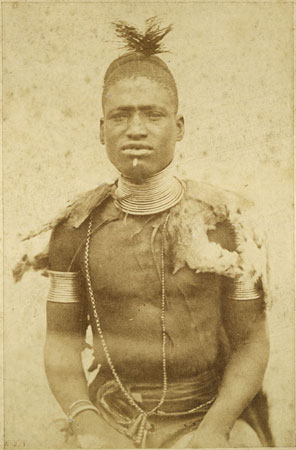
The Acholi (also spelled Acoli) are a Luo Nilotic people concentrated in northern Uganda, with smaller communities in adjacent areas and a global diaspora. Their population is commonly estimated at about 1.2 million. The Acholi speak the Acholi language, a member of the Luo branch of Nilotic languages, and maintain a distinct cultural identity characterized by clan ties, oral traditions, music and ritual practices.
Image gallery
10 Images


Language and social organization
Acholi belongs to the Western Nilotic/Luo language group and is closely related to other Luo dialects spoken in the region. Social life traditionally revolves around extended families and patrilineal clans. Lineage and clan membership shape land rights, marriage arrangements and local leadership. Many communities are organized around villages and local chiefs who play roles in customary governance alongside formal state institutions.
Economy, arts and everyday culture
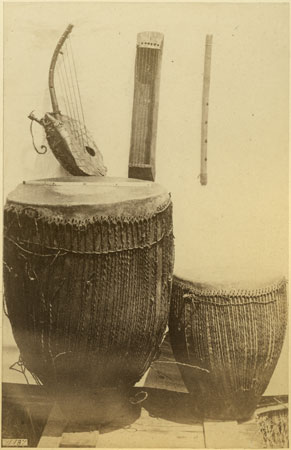
Historically the Acholi practiced mixed subsistence farming—cultivating cereals, root crops and vegetables—and kept livestock where the environment allowed. Contemporary livelihoods include agriculture, trade, public service and work in towns and cities. Cultural expression is rich: oral poetry, storytelling, communal songs and distinctive dances are central to ceremonies. Traditional crafts include weaving and beadwork. Music and dance such as the ceremonial Bwola have become symbols of Acholi identity.
Origins and modern history
The Acholi are part of broader Luo migrations that moved across parts of eastern Africa centuries ago from areas in what is now South Sudan. During the colonial period, Acholi land was incorporated into the Uganda Protectorate, and colonial rule changed economic and political patterns. In the late 20th and early 21st centuries the region suffered severely from the insurgency of the Lord’s Resistance Army (LRA), which caused large-scale displacement, the establishment of internally displaced person (IDP) camps, and long-term social disruption. Since the reduction of active conflict, many Acholi communities have been rebuilding and resettling.
Customary law, reconciliation and notable practices
Acholi customary law emphasizes restitution and reconciliation. One widely reported traditional practice is mato oput, a ceremony intended to restore relationships after serious offenses; it involves symbolic acts of apology and compensation and is often cited in discussions of community-level justice and post-conflict recovery. Initiation rites, funeral observances and harvest celebrations remain important occasions for reaffirming social bonds.
Contemporary life and challenges
Major urban centers in Acholi areas include Gulu and Kitgum, which serve as regional hubs for commerce, education and services. Religion today is a mixture of Christianity, Islam, and continued adherence to traditional beliefs; syncretic practices are common. Current challenges facing Acholi communities include post-conflict reconstruction, land disputes, economic development and maintaining cultural heritage in the face of migration and modernization. Many Acholi are active in advocacy, cultural revival and efforts to document language and oral history.
Summary of notable facts
- Language: Acholi, a Luo Nilotic language related to other Luo dialects.
- Social structure: clan-based, patrilineal organization with customary leaders.
- Cultural features: music, dance (e.g., Bwola), oral literature and communal ceremonies.
- Recent history: severely affected by the LRA conflict and subsequent displacement.
- Traditional justice: mato oput as a reconciliation process.
Related articles
Author
AlegsaOnline.com Acholi people: history, culture, language and contemporary life Leandro Alegsa
URL: https://en.alegsaonline.com/art/707