
Afro-Colombians
People in Colombia of African descent with diverse histories, cultures, and recognized collective rights; prominent on coasts and islands and influential in national life.
Overview
Afro-Colombians are Colombians whose family origins trace to Africa and whose cultural practices and identities form an integral part of the nation's diversity. Large communities live along the Pacific and Caribbean coasts, in river valleys and islands, and in many urban centers across Colombia. Their cultures reflect blends of African, Indigenous and European influences in language, music, cuisine, religion and social organization.
Image gallery
6 Images


History and origins
The presence of Africans in Colombia dates to the colonial era and the transatlantic slave trade. Enslaved people worked in mines, plantations and domestic settings; others escaped and formed autonomous maroon settlements (palenques). Over generations, these communities preserved and transformed African-derived customs while interacting with local peoples and institutions. Recognition of Afro-descendant identity increased in the late 20th century, especially after the 1991 constitution and Law 70 of 1993, which advanced ethnic rights and collective territorial claims.
Culture and expressions
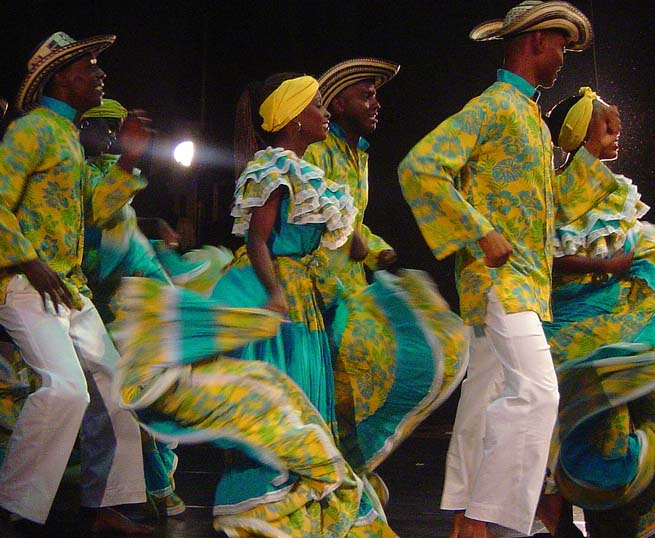
Afro-Colombian cultural life is rich and regionally varied. Musical styles such as currulao and champeta, the marimba traditions of the Pacific, and contributions to cumbia and other national genres are widely known. Dance, rhythmic drumming, call-and-response singing and oral storytelling remain central practices. Religious expressions often blend Catholic rites with African-derived beliefs and local folk practices, producing diverse devotional forms. Culinary traditions emphasize seafood, plantains, coconut and tuber-based dishes.
Regions, communities and languages
Significant populations live in Chocó and along the Pacific lowlands, on the Caribbean shore and islands such as San Andrés, and in pockets of Andean and Amazonian regions. Some communities, notably Palenque de San Basilio, are noted for preserving distinct linguistic forms and customs rooted in African heritage. Local identities and terminology vary across regions.
Legal recognition and contemporary issues
The Colombian legal framework recognizes ethnic and cultural rights for Afro-descendant communities and provides mechanisms for collective land titling and participation in public life. Despite formal recognition, many Afro-Colombians face economic marginalization, limited access to services, and pressures from development, mining and armed conflict that cause displacement and disputes over land and resources. Organized activism and cultural revival have increased visibility and influenced public policy.
Contributions and significance
Afro-Colombians have made major contributions to national culture, sports, politics and the arts. Their musical and culinary traditions are central to Colombia's cultural identity, and their historical experiences are essential to understanding the country's social fabric. For background on origins and broader diasporic connections, see African ancestry.
Related articles
Author
AlegsaOnline.com Afro-Colombians Leandro Alegsa
URL: https://en.alegsaonline.com/art/1295
Sources
- commons.wikimedia.org : African Colombians
- minorityrights.org : "AFRO-COLOMBIANS; Profile"
- everyculture.com : "Afro-Colombians - History and Cultural Relations"