
Nintendo Entertainment System (Model NES-101) — Top-Loading Revision
The NES-101 is a later, compact revision of the Nintendo Entertainment System featuring a top-loading cartridge design meant to improve reliability and simplify the original console.
Overview
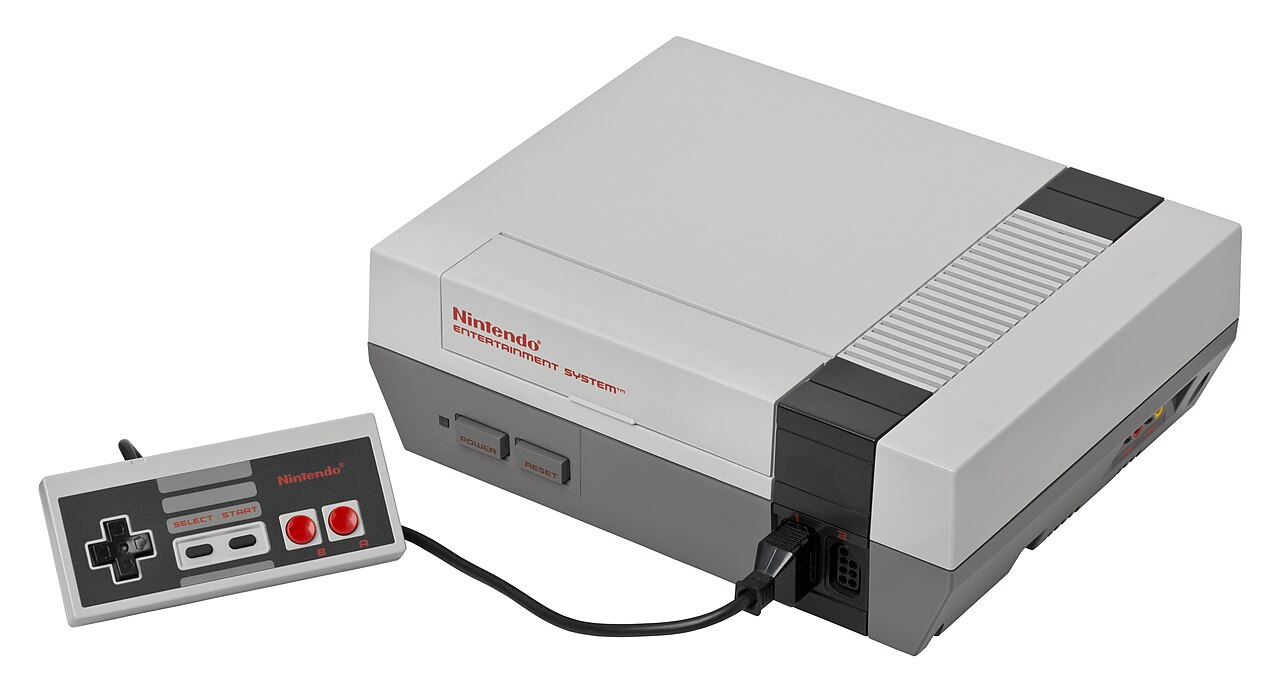
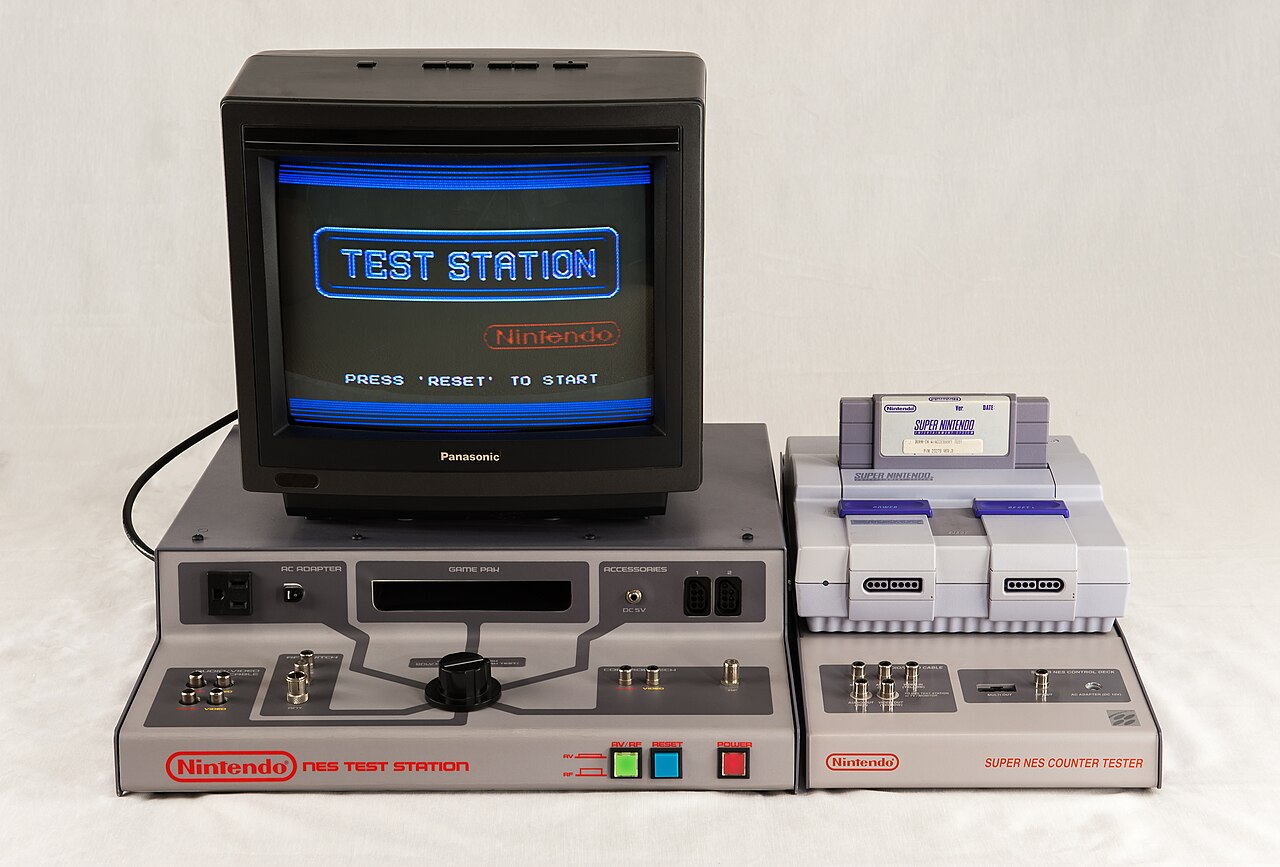
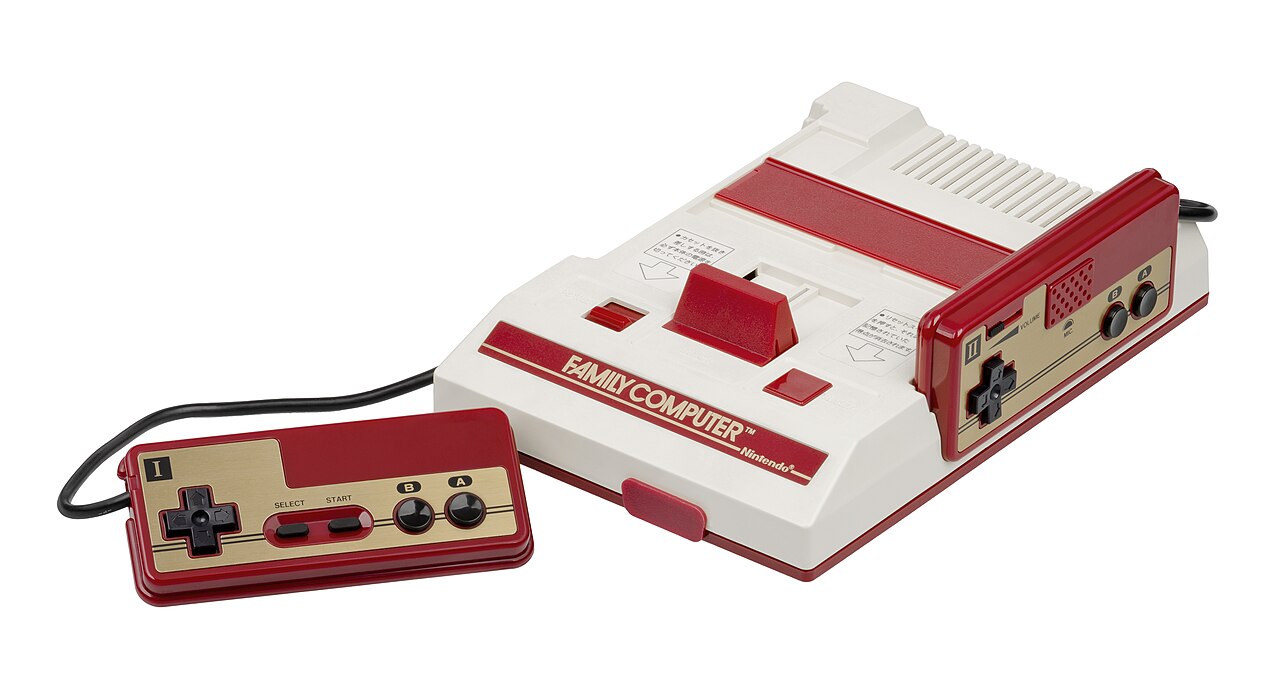
The NES-101, commonly called the "Top Loader" or "New-Style NES," is a hardware revision of the Nintendo Entertainment System. Designed late in the NES life cycle, it retained the platform's software library while changing the console's mechanical layout to address recurring reliability concerns in earlier units. It is part of the broader Nintendo Entertainment System family and is often discussed alongside other Nintendo consoles such as the Super Nintendo (SNES).
Image gallery
10 Images




Design and main characteristics
The most visible change in the NES-101 is its top-loading cartridge slot: cartridges are inserted directly from above rather than pushed into a front-loading bay. This altered the internal cartridge connector and the case profile, producing a smaller, flatter system. The redesign emphasized fewer moving parts and improved electrical contact to reduce cartridge connection issues that had troubled some older units.
History and development
Nintendo introduced the NES-101 as part of a series of cost-reduction and reliability improvements after the console had established a large installed base. The redesign aimed to make the hardware simpler to manufacture and more durable for long-term home use. The change also reflected evolving consumer expectations and lessons learned from earlier console designs.
Compatibility, use, and examples
Functionally, the NES-101 plays the same NES cartridges as the original model and maintains compatibility with the platform's controllers and many accessories. Because of its improved cartridge contact, many retro gamers prefer the top-loading variant for routine play and preservation of original cartridges. For historical context and further reading, see the main Nintendo Entertainment System entry (NES overview).
Notable distinctions and legacy
- Form factor: more compact and simplified compared with the original front-loading case.
- Reliability: top-loading design reduced common connector problems and the need for repeated cleaning or mechanical adjustment.
- Collectibility: it is sought by some collectors and retro players but opinions vary on desirability versus the classic model.
While not altering the underlying software capability of the NES, the NES-101 remains an important example of iterative hardware improvement aimed at enhancing user experience and longevity without changing the console's core identity.
Related articles
Author
AlegsaOnline.com Nintendo Entertainment System (Model NES-101) — Top-Loading Revision Leandro Alegsa
URL: https://en.alegsaonline.com/art/70298