
Nightmare: causes, features, and when it becomes a disorder
A nightmare is a distressing dream that awakens the sleeper. This article explains characteristics, common causes, differences from other sleep disturbances, and approaches to management.
Overview
A nightmare is an intense, disturbing dream that usually awakens the sleeper and leaves a lingering feeling of fear, anxiety or sadness. Nightmares commonly occur during rapid eye movement (REM) sleep, the stage of sleep linked with vivid dreaming. While occasional nightmares are a normal part of life for children and adults, repeated episodes that interfere with rest or daytime functioning may indicate a clinical problem.
Image gallery
3 Images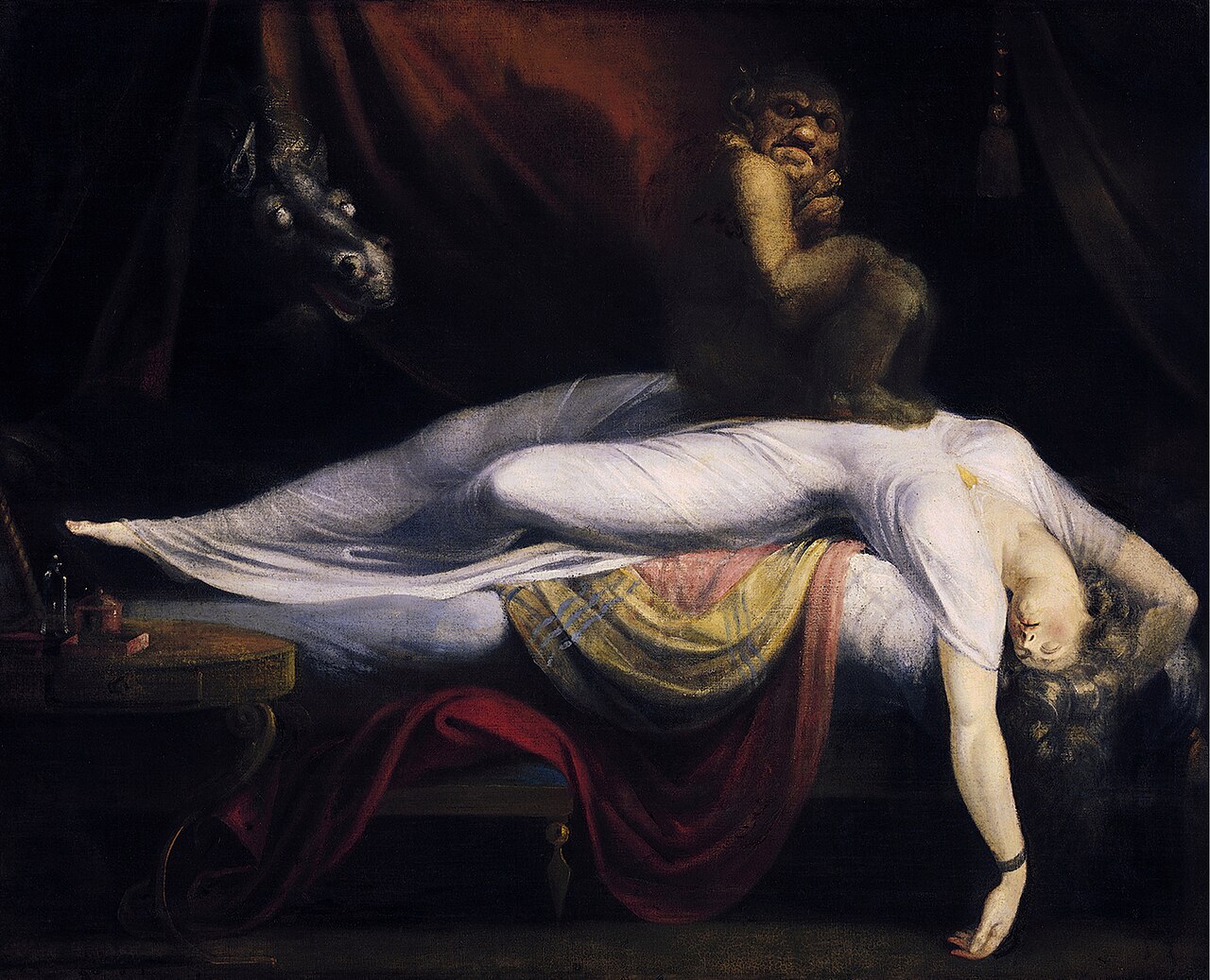


Characteristics and how nightmares differ from related events
Typical features include vivid imagery, a sense of threat, and abrupt awakening with clear recall of the dream. Nightmares should be distinguished from night terrors: night terrors usually happen in non-REM sleep, produce intense autonomic arousal and confusion, and often leave little or no dream memory. Nightmares contrast with bad dreams that do not awaken the sleeper and with recurring nightmares that repeat similar themes over time.
Causes and common triggers
Causes fall into broad physiological and psychological categories. Physiological contributors include high fever, certain medications, substance withdrawal, and sleep fragmentation. Psychological factors include acute stress, unresolved trauma, grief, and anxiety disorders. External factors such as irregular sleep schedules or late heavy meals can also increase the likelihood of distressing dreams.
- Physiological: fever, medication effects, substance use
- Psychological: stress, PTSD, nightmares linked to trauma
- Behavioral/environmental: sleep deprivation, irregular routines
For readers seeking more background, clinical descriptions and research summaries are available via research overviews and authoritative sleep centers like clinical guides.
Impact, diagnosis, and management
Occasional nightmares are common and typically do not require medical treatment. When nightmares are frequent, cause significant distress, or lead to avoidance of sleep, a diagnosis of nightmare disorder may be considered. Clinicians assess frequency, intensity, daytime consequences, and possible underlying causes.
Management strategies include improving sleep hygiene, reducing stress, treating underlying mental health conditions, and targeted therapies. Imagery rehearsal therapy (IRT) is a psychological technique that asks patients to rehearse a modified, nonthreatening ending to a recurrent nightmare while awake. Cognitive-behavioral approaches, trauma-focused therapies, and, in some cases, medication prescribed by a clinician can also help. For practical tips and therapies consult treatment resources or speak with a sleep specialist via professional referral.
Notable facts and cultural perspective
Nightmares have a long presence in folklore and art as symbols of fear and anxiety. Cross-culturally, they have been interpreted as omens, messages, or manifestations of inner turmoil. Modern research treats nightmares as meaningful symptoms that can reveal medical, psychological, or contextual contributors. If nightmares follow trauma or impair functioning, early assessment and care improve sleep and quality of life; further information about clinical pathways and support can be found at support services and educational pages such as public health overviews.
Author
AlegsaOnline.com Nightmare: causes, features, and when it becomes a disorder Leandro Alegsa
URL: https://en.alegsaonline.com/art/70153
Sources
- mspong.org : mspong.org