
Niassa Province (Mozambique)
Niassa is a large, sparsely populated province in northern Mozambique. It borders Tanzania and Malawi, contains the Niassa National Reserve, and centers on the city of Lichinga.
Niassa is a province in northern Mozambique located on the inland and lakeshore highlands. Its administrative capital is Lichinga. The province lies near geographic coordinates 13°15′S 36°30′E and covers a large area with low population density compared with coastal regions.
Image gallery
2 Images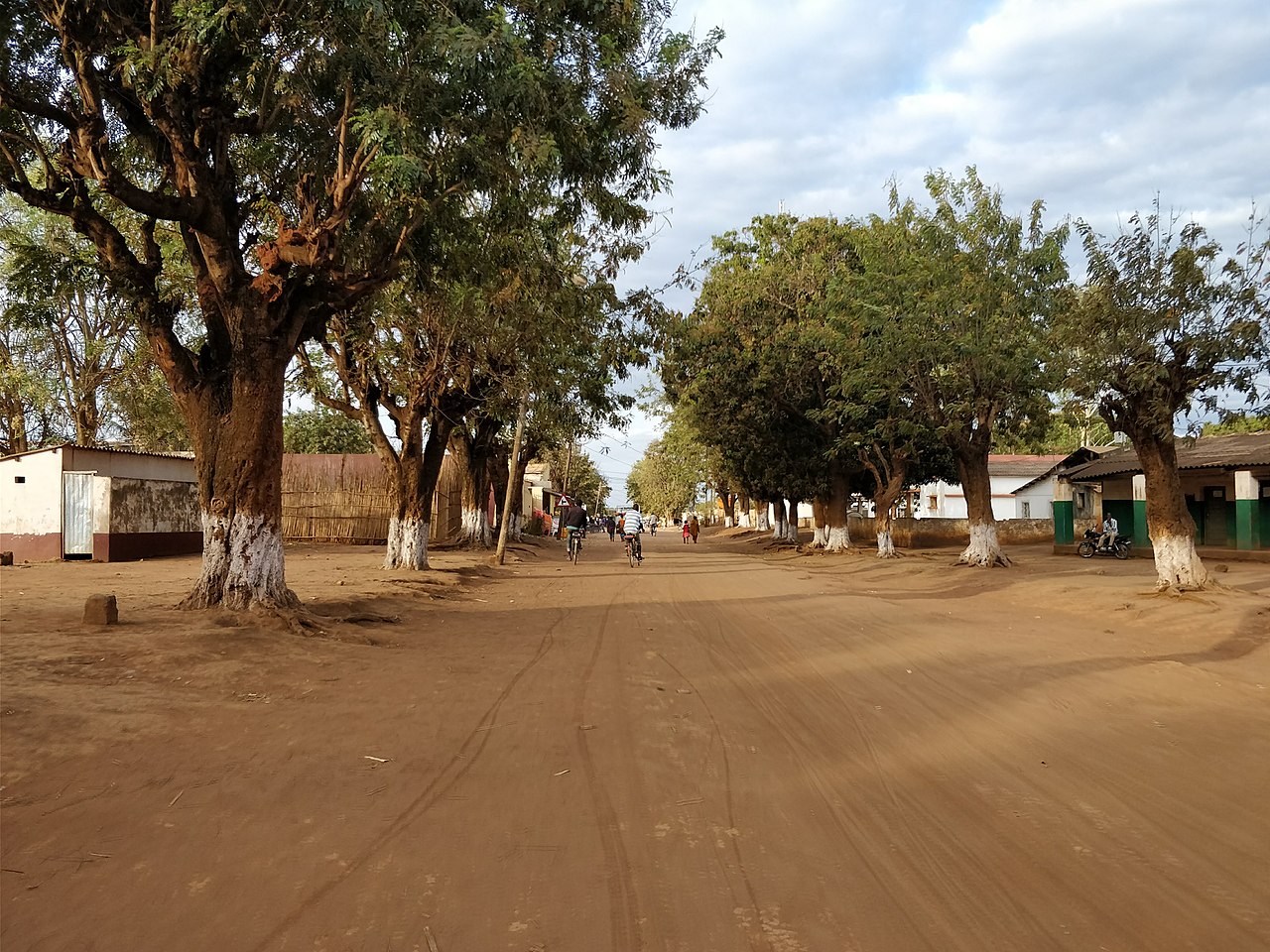

Geography and borders
Niassa is defined by significant natural boundaries. To the north much of its border follows the course of the Ruvuma River, which separates the province from Tanzania. To the west it meets the shoreline of Lake Niassa (also known as Lake Malawi), the international lake that divides Mozambique from Malawi. The landscape ranges from lakeside plains to wooded plateaus and river valleys, creating diverse habitats across the province.
History and settlement
The area that is now Niassa was incorporated into the Portuguese colonial system and experienced development through 19th- and early 20th-century concessionary enterprises. Settlements such as Lichinga were established during the colonial period and became administrative and commercial centres. After Mozambique’s independence, Niassa remained largely rural with communities organized around subsistence farming, fishing and cattle keeping.
Ecology and conservation
Niassa contains important wildlife areas, most notably the Niassa National Reserve, which it shares with neighbouring Cabo Delgado Province. The reserve protects extensive miombo woodlands and supports populations of elephants, large carnivores and diverse birdlife. Conservation efforts focus on anti-poaching, community engagement and balancing wildlife protection with local livelihoods.
Economy, transport and society
The provincial economy is driven mainly by smallholder agriculture, fishing on the lake, forestry and limited trade. Transport infrastructure is relatively sparse, so towns like Lichinga and Cuamba are regional hubs for markets and services. Portuguese is the official language used in administration, while local languages and cultures — including Yao and Makonde communities — shape daily life and traditions.
Importance and challenges
Niassa is notable for its large natural areas, cross-border lakeshore, and cultural diversity. At the same time the province faces development challenges: remote settlements, limited roads and basic services, and pressures on wildlife and forests. These dynamics make Niassa a focus for conservation NGOs, development programmes and small-scale tourism—particularly nature- and lake-based visits—seeking to support sustainable local economies.
Questions and answers
Q: What are the coordinates of Niassa?
A: The coordinates of Niassa are 13°15′S 36°30′E / 13.250°S 36.500°E / -13.250; 36.500.
Q: What is Niassa?
A: Niassa is a province of Mozambique.
Q: What is the capital city of Niassa?
A: The capital city of Niassa is Lichinga.
Q: What forms much of the northern boundary of Niassa?
A: The Ruvuma River forms much of the northern boundary of Niassa with Tanzania.
Q: What forms the western border of Niassa, separating it from Malawi?
A: Lake Niassa forms the western border of Niassa, separating it from Malawi.
Q: What does Niassa share with neighboring Cabo Delgado Province?
A: Niassa shares the Niassa National Reserve with neighboring Cabo Delgado Province.
Q: Where is Niassa located?
A: Niassa is located in Mozambique.
Related articles
Author
AlegsaOnline.com Niassa Province (Mozambique) Leandro Alegsa
URL: https://en.alegsaonline.com/art/69917
Sources
- fauna-flora.org : "The Lions of Niassa" · web.archive.org