
Atlanta, Texas — city profile, history, and local features
Atlanta, Texas is a small city in northeastern Texas. This article summarizes its location, historical development, local economy and culture, and notable distinctions within the region.
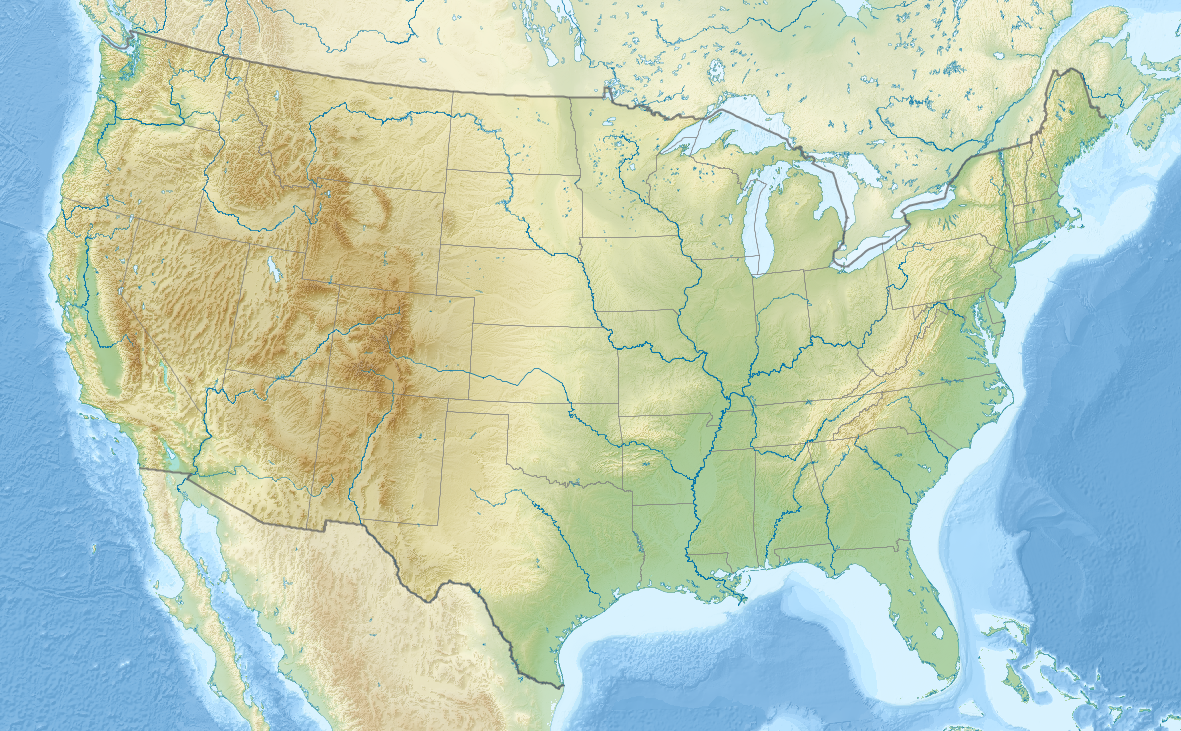
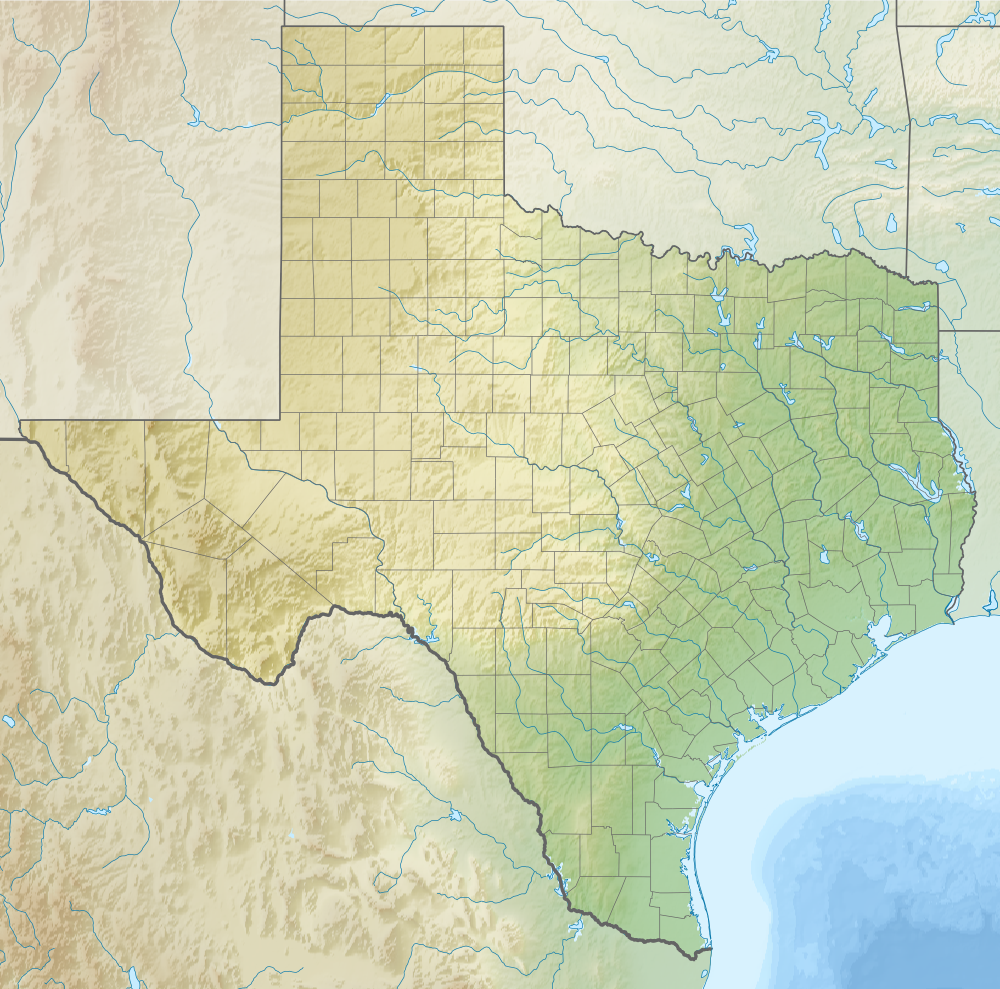
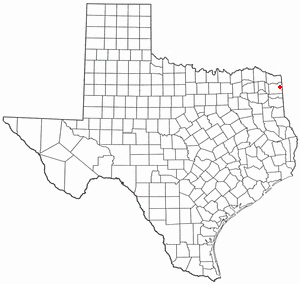
Atlanta is a small city in northeastern Texas, in the north-central part of the United States. The community is commonly referred to by its name alone, and should not be confused with the much larger Atlanta in Georgia. For official information and basic facts see the local city resources and state references such as the city web pages and state listings: Atlanta, United States.
Image gallery
5 Images
Overview and geography
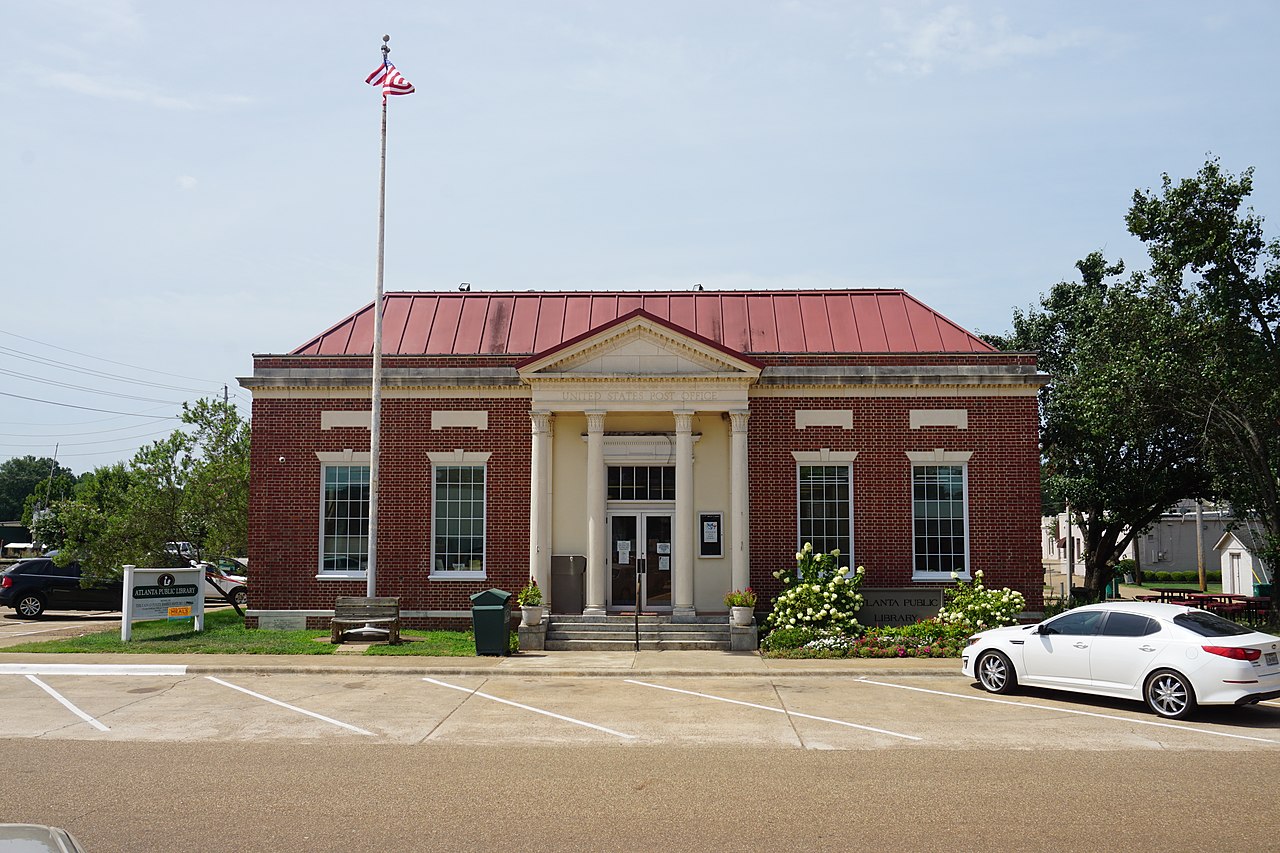
The city occupies a modest footprint typical of rural and small-town communities in the region. It lies within a broader landscape of farmland, timber tracts and small waterways that characterize northeastern Texas. Transportation links are primarily regional roads and state highways that connect residents to neighboring towns and larger urban centers. The built environment mixes a compact commercial downtown, residential neighborhoods and civic buildings serving local needs.
Historical development
Like many towns in Texas, Atlanta grew from 19th-century settlement patterns driven by agriculture, timber and later by transportation corridors. Its development reflects common themes: arrival of settlers, establishment of local government and schools, and adaptation to economic shifts such as mechanization of farming and changes in regional trade. Historic buildings and local museums often preserve elements of this past and offer a sense of community continuity.
Economy, institutions and culture
The local economy is largely based on small businesses, public services, and resource-based activity such as forestry and agriculture. Key public institutions—city government, a local independent school district, and community-serving organizations—anchor daily life. Cultural life typically centers on school events, seasonal festivals, civic clubs, and places of worship. Visitors and residents find small downtown shops, neighborhood parks and community centers that host social and recreational programs.
Notable features and distinctions
- Small-town governance with elected city officials and locally administered services.
- A regional role as a service center for surrounding rural areas.
- Local history connected to agriculture and timber, with surviving historic structures and community memory.
- Often compared or contrasted with larger cities of the same name; context matters when researching or traveling.
For further details about municipal services, demographics, and current events consult official city communications and state resources. Local libraries and historical societies are valuable for deeper research into the community's past and ongoing life.
Related articles
Author
AlegsaOnline.com Atlanta, Texas — city profile, history, and local features Leandro Alegsa
URL: https://en.alegsaonline.com/art/6973