
New York Stock Exchange (NYSE)
The NYSE is a major U.S. securities exchange on Wall Street, known for its trading floor, listing standards, and central role in global capital markets.
Overview
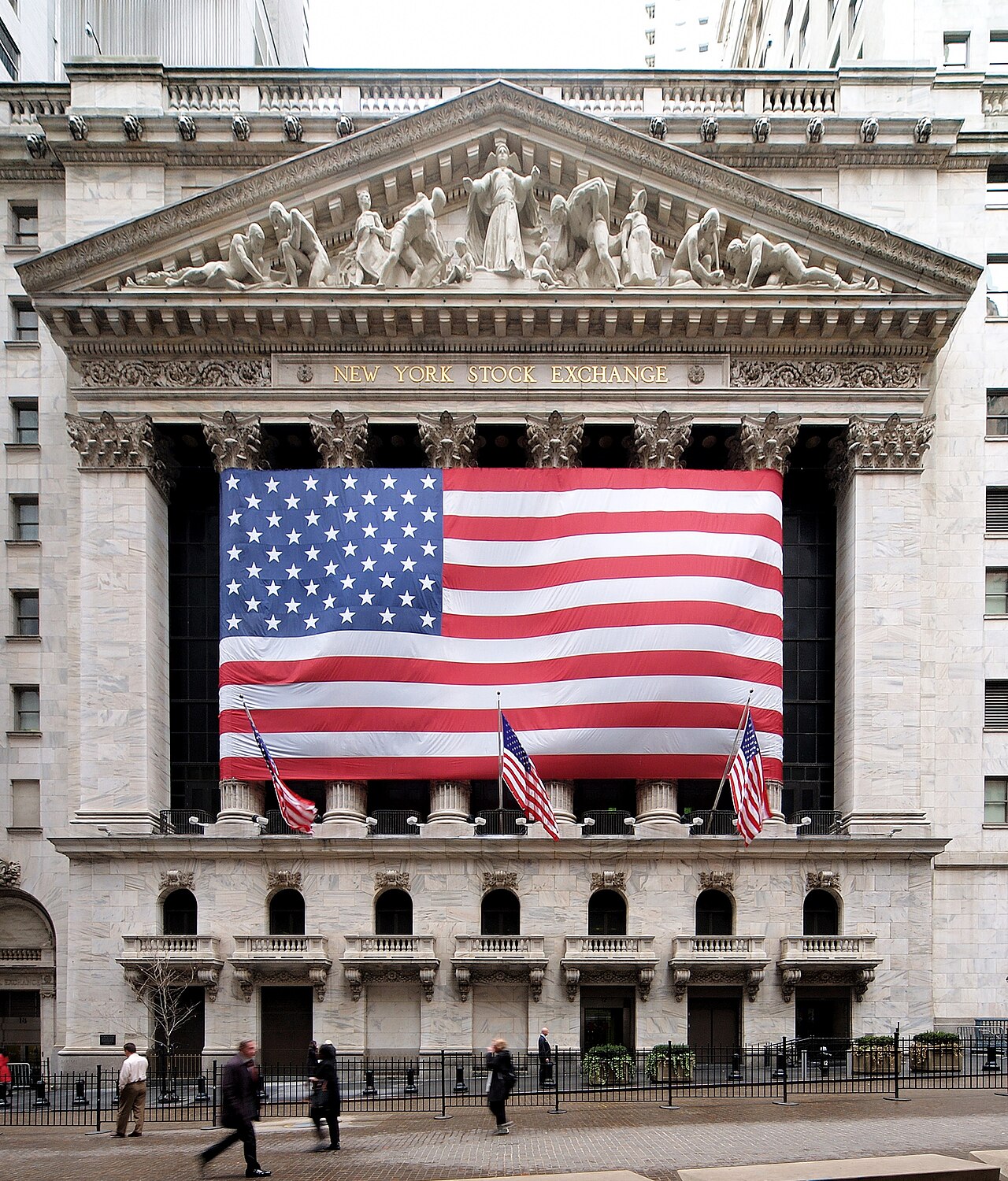
The New York Stock Exchange (NYSE) is a leading securities exchange based in Manhattan, New York City. Long known as the "Big Board," it is the largest exchange in the United States by market capitalization of listed companies and one of the most influential financial marketplaces worldwide. The NYSE operates a regulated market where shares of public companies, exchange-traded products, and other securities are bought and sold.
Image gallery
10 Images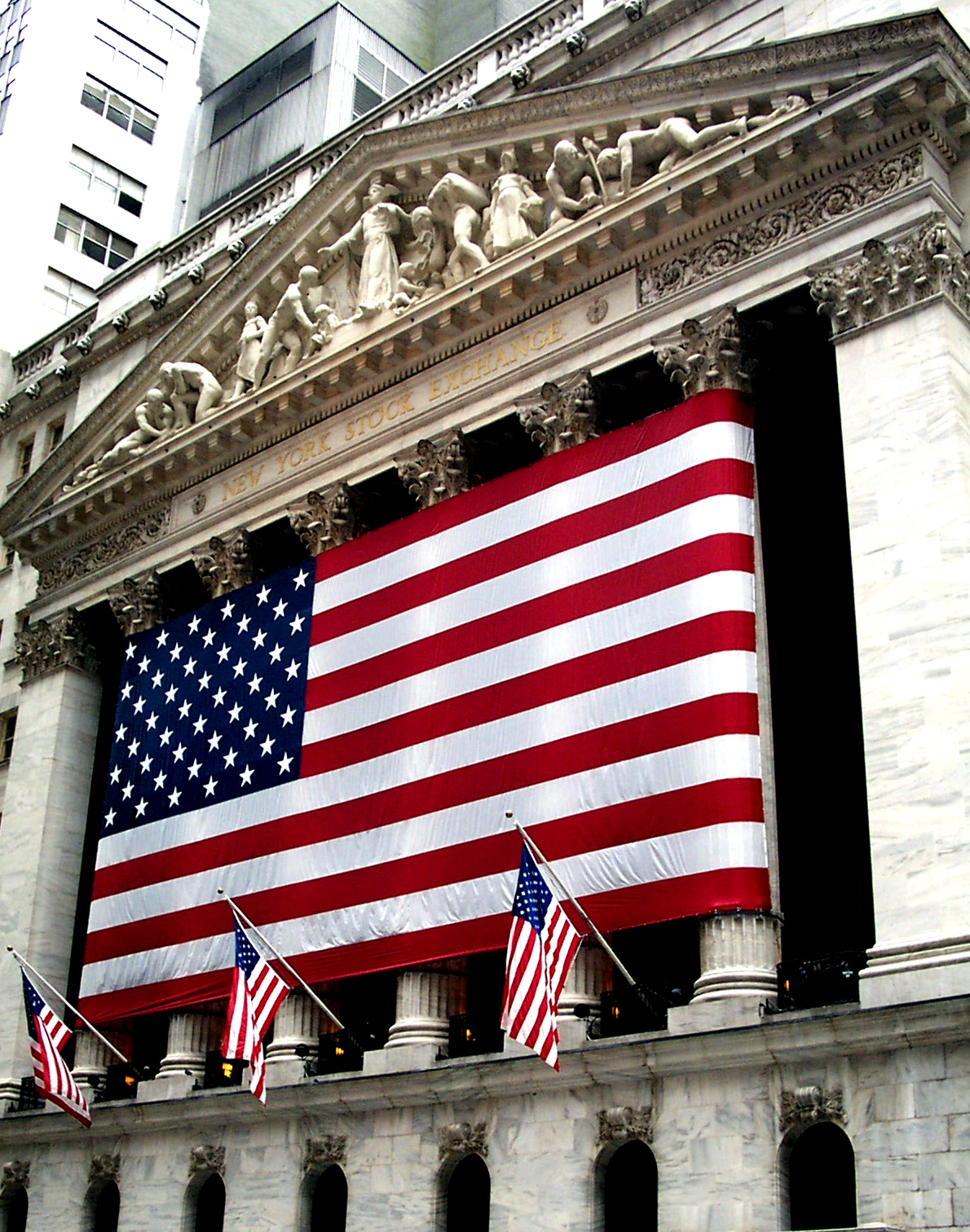


Structure and operations
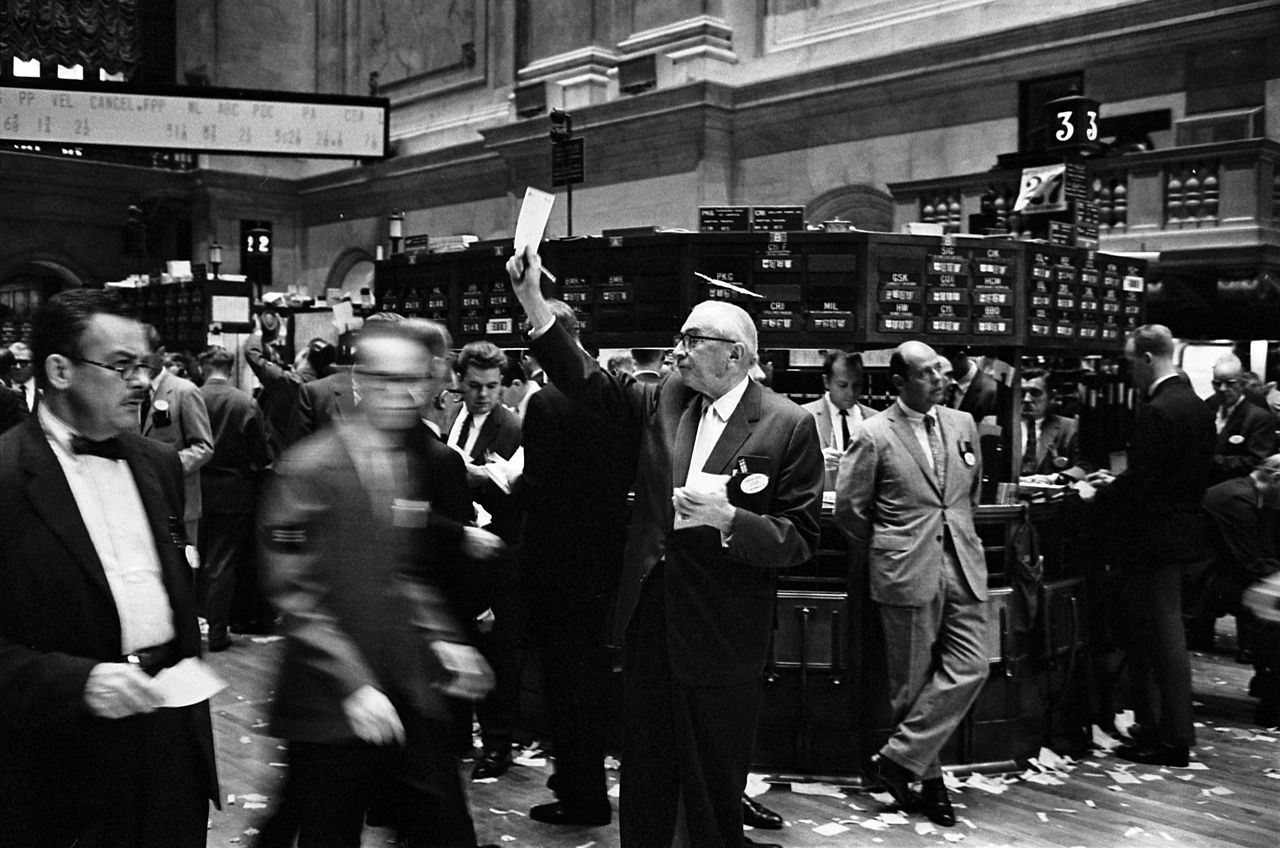
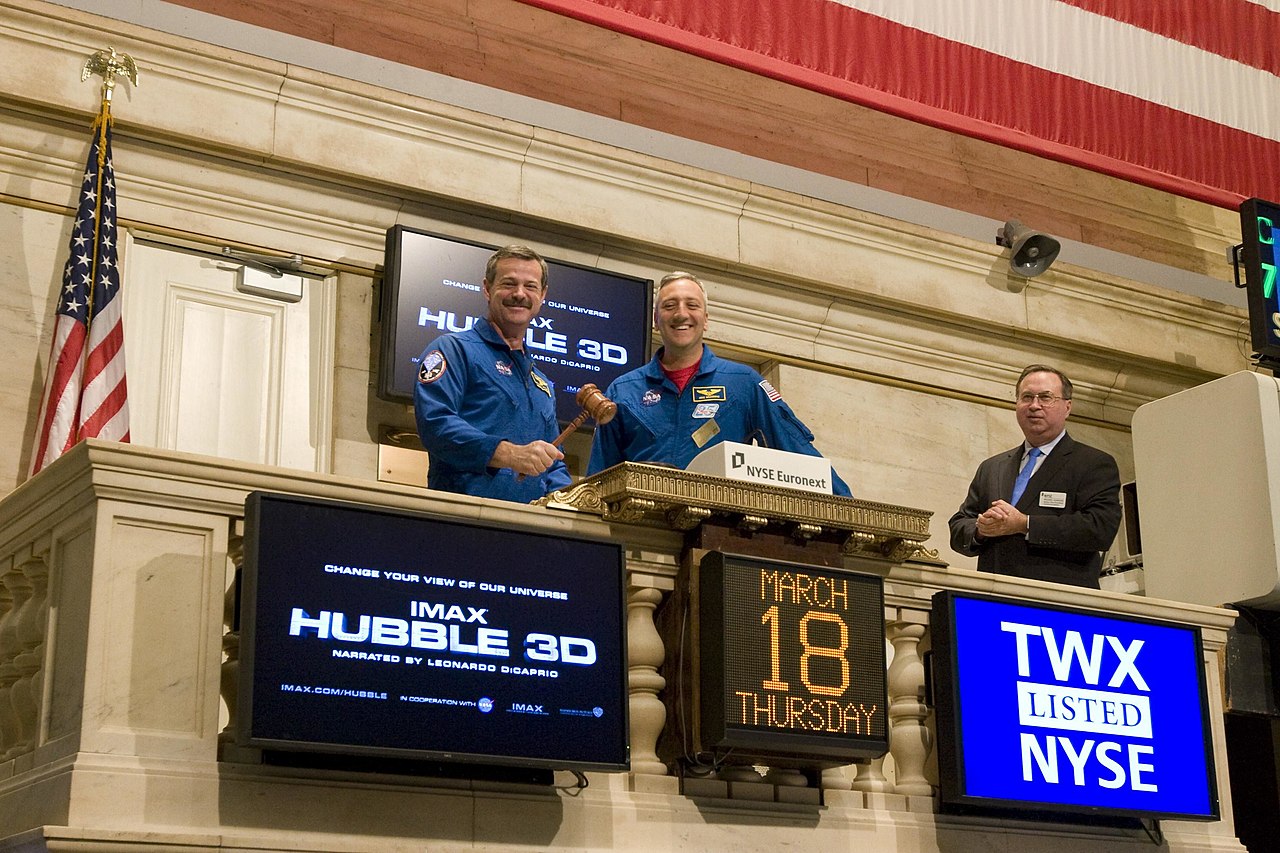
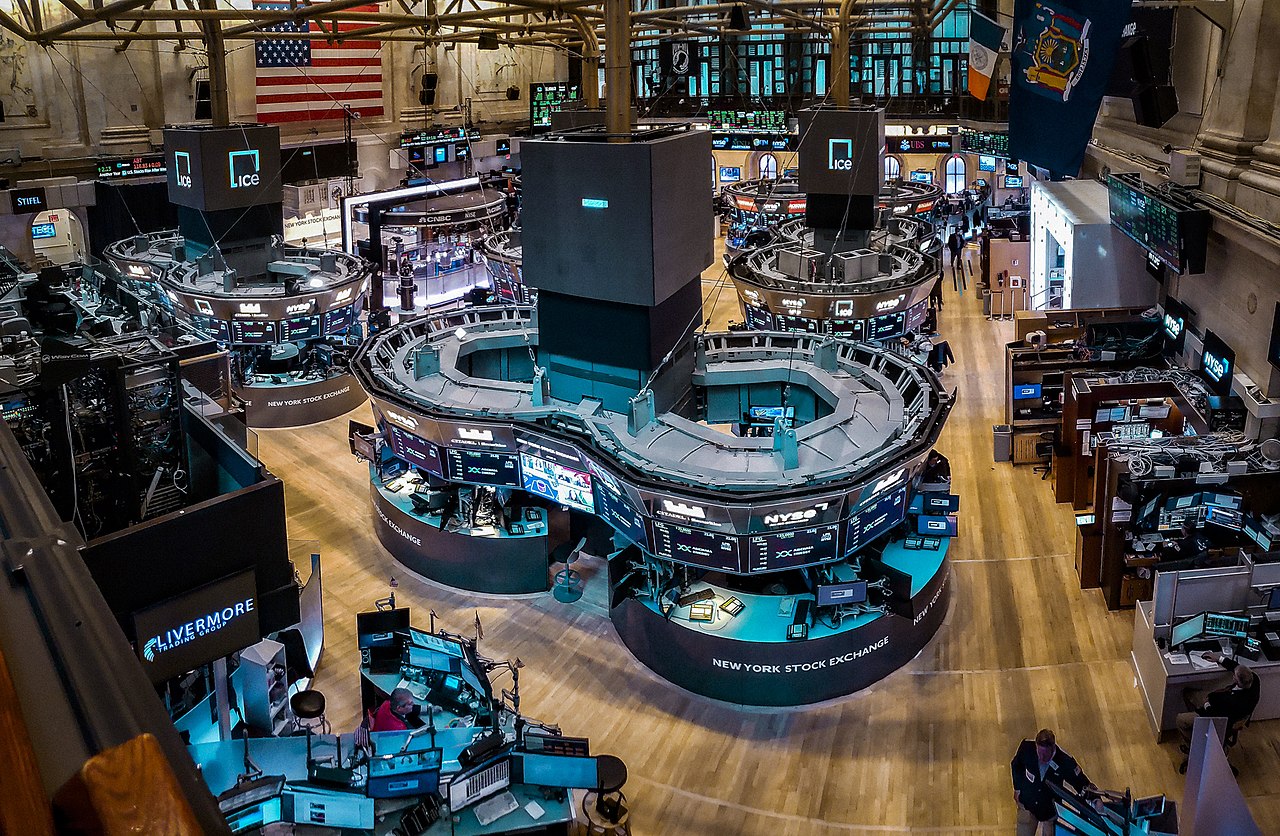
The NYSE combines a physical trading floor with extensive electronic systems. Its building on Wall Street houses the trading floor where designated market makers (DMMs), floor brokers and other staff coordinate auction-based trading, particularly for opening and closing auctions. Most transactions also occur via linked electronic platforms, providing speed and global access. Regular trading hours are during U.S. market hours, with additional pre-market and after-hours electronic sessions.
What is listed and how it is regulated
Companies seeking a NYSE listing must meet financial, governance and disclosure standards that differ from other venues. The exchange lists a range of securities including common stocks, certain types of funds and depositary receipts. As a national securities exchange it operates under rules enforced by the U.S. Securities and Exchange Commission and industry self-regulatory organizations.
History and development
The NYSE traces its origins to the late 18th century and early agreements among New York brokers to standardize securities trading. Over centuries it evolved from a purely floor-based auction market to a hybrid model mixing human oversight with sophisticated electronic trading. The exchange has also undergone corporate changes, affiliating and consolidating with other markets while remaining a central node of global capital formation.
Importance and uses
Investors, companies and governments use the NYSE to raise capital, discover prices and transfer ownership of securities. Public listings provide liquidity and visibility to companies, while market participants—from individual investors to large institutions—rely on the exchange for execution, price discovery and benchmarks that reflect broad economic activity.
Key features and distinctions
- Physical trading floor with opening and closing auctions and a long public profile.
- Stringent listing standards compared with some other markets.
- Hybrid trading model: human market-makers plus electronic order execution.
- Operates under U.S. securities laws and regulatory oversight.
While technology has transformed how orders flow, the NYSE remains a prominent symbol of capital markets and a central infrastructure for equity trading in the United States.
Related articles
Author
AlegsaOnline.com New York Stock Exchange (NYSE) Leandro Alegsa
URL: https://en.alegsaonline.com/art/69682