
New Madrid, Missouri
A small city on the Mississippi River in southeast Missouri, founded in the late 1770s; notable as a river port and as the epicenter of the New Madrid seismic events of 1811–1812.
Overview
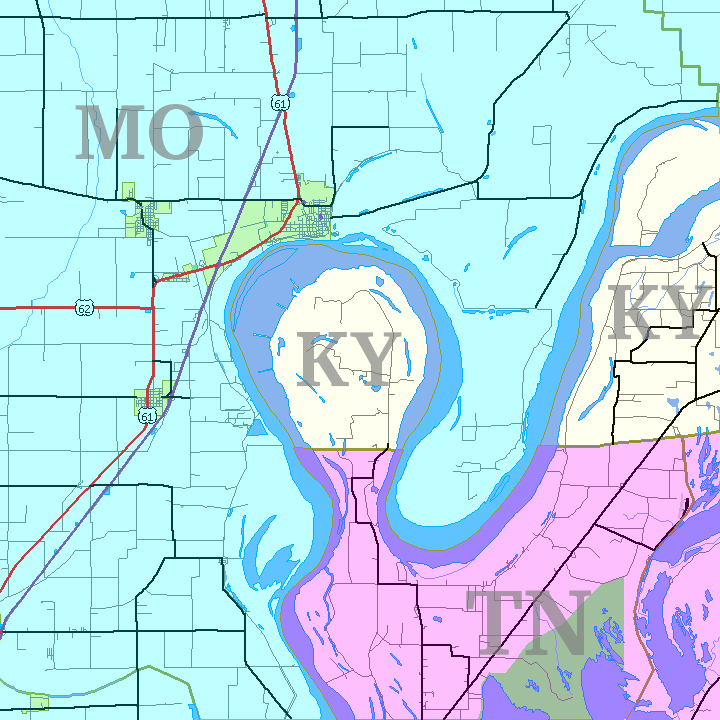
New Madrid is a city in New Madrid County in the southeastern corner of Missouri. It sits on the west bank of the Mississippi River and was home to 3,116 people at the 2010 U.S. census. The community functions historically as a river port and local service center for surrounding agricultural areas.
Image gallery
3 Images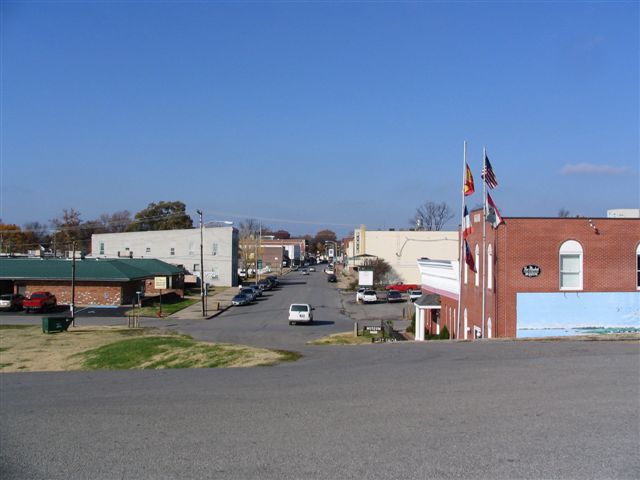

Geography and setting
The town occupies low-lying river plain terrain shaped by the Mississippi. Its location has made it dependent on river transport, levee systems and seasonal flood control. Proximity to major waterways has influenced settlement patterns and the local economy for more than two centuries.
History and founding
New Madrid was established in the late 1770s, around 1776–1778, during the period when the region was under Spanish control. Early settlers included Europeans and Americans drawn by river trade, fertile soils and strategic position. Over time the town developed facilities and services for steamboats, farming and river commerce.
Earthquakes and seismic importance
The city is best known for its association with the New Madrid Seismic Zone. Between 1811 and 1812 a series of powerful earthquakes centered near New Madrid dramatically affected the Mississippi Valley, altering river courses and producing widespread shaking across the central United States. These events remain among the most significant seismic episodes in continental U.S. history and shape local planning and hazard awareness today.
Economy, culture and notable facts
Local life has long revolved around agriculture, shipping and services for river communities. The town preserves historical sites and commemorations related to its colonial founding and the 1811–1812 earthquakes, which attract interest from historians and geologists. Modern challenges include maintaining infrastructure, flood protection and economic diversification.
Key points
- Founded in the late 1770s during Spanish administration of the region.
- Located on the Mississippi River; historically a river port.
- Associated with the 1811–1812 New Madrid earthquakes and ongoing seismic study.
Related articles
Author
AlegsaOnline.com New Madrid, Missouri Leandro Alegsa
URL: https://en.alegsaonline.com/art/69564