
New Lisbon, Wisconsin
New Lisbon is a small city in Juneau County, Wisconsin, United States. It had 2,554 residents at the 2010 census and serves as a local service center for surrounding rural areas.
Overview
New Lisbon (Hoocąk: Wac'hožura) is a small city in Juneau County, Wisconsin, United States. As reported by the 2010 census, the city had a population of 2,554. It functions as a community hub for nearby farms, townships and rural residences and maintains the services and institutions typical of small Midwestern cities.
Image gallery
6 Images


Geography and layout
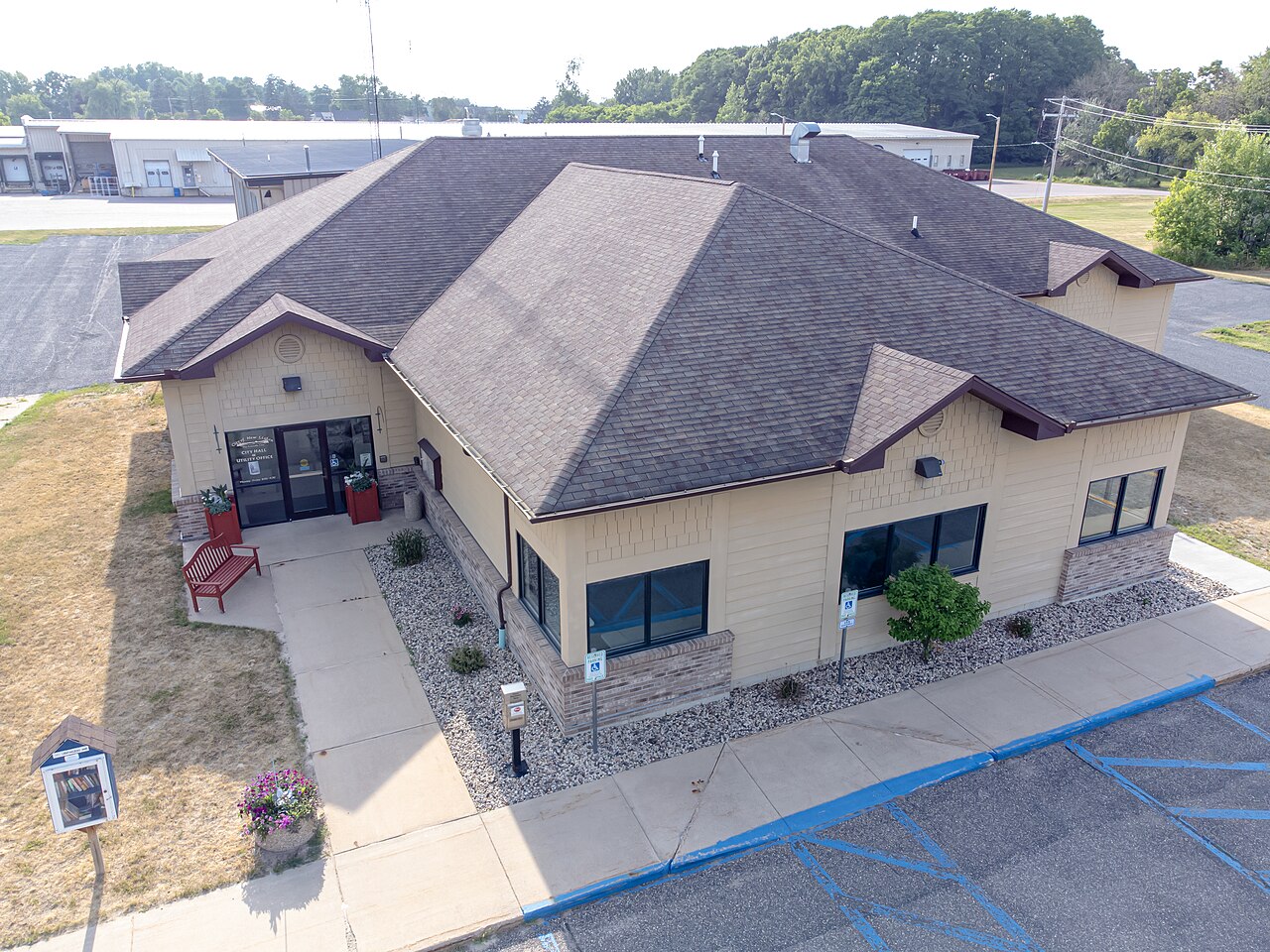
Situated in the central part of the state, New Lisbon occupies a compact footprint surrounded by agricultural land, woodlands and smaller settlements. The city is linked to the regional road network by state and county highways and has streets laid out to support residential neighborhoods, a commercial downtown and light industrial or service areas on its outskirts.
Characteristics and community life
The city contains the kinds of public institutions common to small municipalities: local government offices, public schools, community organizations, churches and shops that serve daily needs. Its economy is shaped by agriculture in the surrounding countryside, small businesses, public services and occupations tied to regional infrastructure.
History and name
New Lisbon developed in the 19th century as settlers moved into Wisconsin. The Hoocąk (Ho-Chunk) name Wac'hožura acknowledges the area's indigenous heritage and the longer history of native peoples in the region. Over time the city evolved around trade, transportation links and agricultural support services.
Recreation and notable facts
Residents and visitors use nearby natural areas for hunting, fishing, hiking and seasonal outdoor recreation. Local parks, community events and school activities provide focal points for civic life. While modest in size, New Lisbon plays a practical role for surrounding rural townships by concentrating services, commerce and public institutions.
Distinctions
- Recognized by its Hoocąk name, reflecting indigenous connection to the land.
- Serves as a service and commercial center for adjacent agricultural areas.
- Population figures are based on the 2010 decennial census; more recent estimates may differ.
Related articles
Author
AlegsaOnline.com New Lisbon, Wisconsin Leandro Alegsa
URL: https://en.alegsaonline.com/art/69555
Sources
- hocak.info : "Locations"