
New London, Wisconsin: overview, geography, history, and community
New London is a small city in Wisconsin spanning Outagamie and Waupaca counties. This article outlines its location, geography, historical development, economy, services, and local character.
Overview
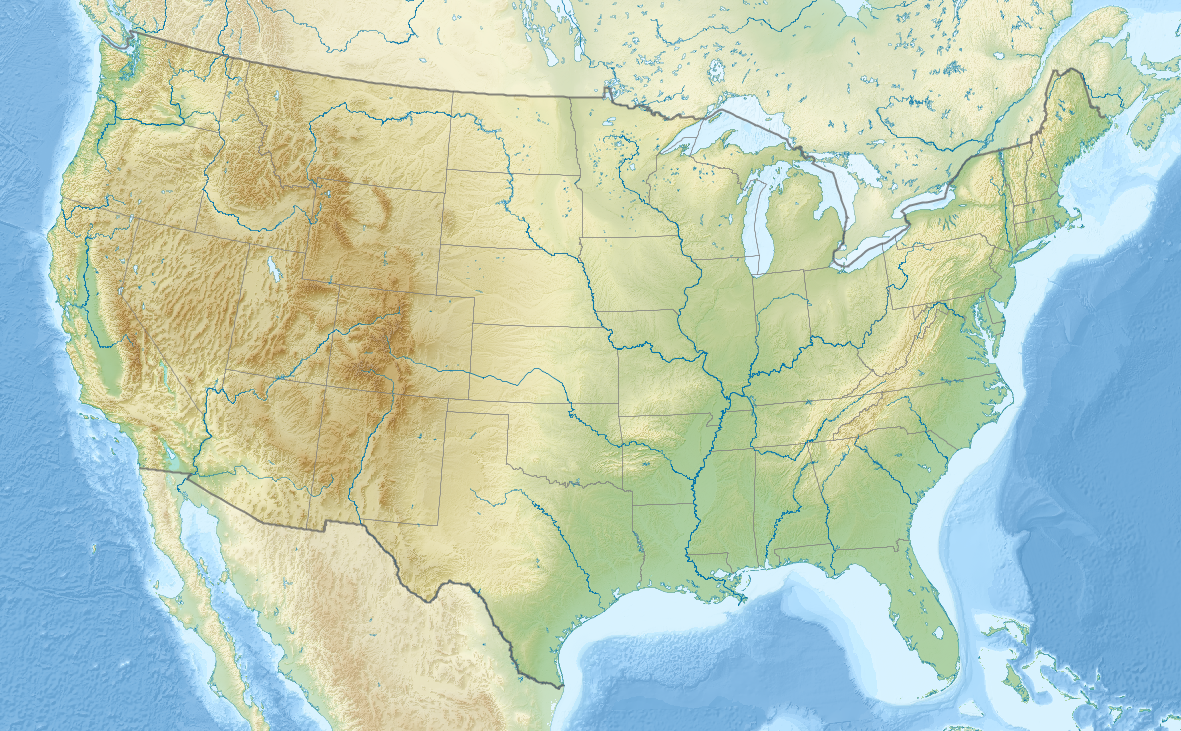
New London is a city in the state of Wisconsin, in the United States. It sits primarily within Outagamie County with a portion extending into Waupaca County. According to the 2010 census, the city had 7,295 residents. New London functions as a small regional center for retail, services, and local government for the surrounding rural area.
Image gallery
10 Images


Geography and transportation
The community lies in the Fox–Wolf river basin and is surrounded by a mix of agricultural land and woodlands typical of east-central Wisconsin. Local highways connect New London to larger nearby communities, and the city's layout combines a compact downtown with residential neighborhoods and light industrial parks on its outskirts. Parks, rivers, and trails provide outdoor recreation opportunities for residents.
History and development
Like many towns in this part of Wisconsin, New London grew during the 19th century as settlers arrived and established farms, mills, and trade routes. Over time the town developed civic institutions, schools, churches, and businesses that formed the core of community life. Its economic profile has shifted from primarily agricultural and mill-based activity toward a more mixed local economy including manufacturing, services, and retail.
Economy, education, and services
New London's economy is a combination of small manufacturers, family-owned enterprises, and service-sector businesses that support the local population and surrounding rural residents. The city is served by a public school district with elementary, middle, and high school education options and a range of municipal services such as libraries, parks, and public safety departments. Health care, banking, and grocery retail are available locally or in nearby counties.
Community life and attractions
Community events, recreational programs, and local festivals play a role in civic identity. Visitors and residents can find river access, walking paths, community parks, and historic buildings in the downtown area. The compact downtown typically contains shops, restaurants, and services that cater to daily needs and seasonal tourism.
Notable characteristics
- Split across two counties: an administrative detail that affects jurisdictional services.
- Small-city scale: population in the low thousands with a neighborhood-focused character.
- Regional role: serves as a service hub for surrounding rural townships.
For more detailed information about local government, schools, events, or statistics, consult municipal resources and regional planning documents; local chambers of commerce and public libraries also provide up-to-date community information.
Related articles
Author
AlegsaOnline.com New London, Wisconsin: overview, geography, history, and community Leandro Alegsa
URL: https://en.alegsaonline.com/art/69562