
New London, Connecticut
Coastal city at the mouth of the Thames River in southeastern Connecticut. Known for its maritime history, the U.S. Coast Guard Academy, colleges, historic sites, and ongoing role in regional shipping and tourism.
Overview
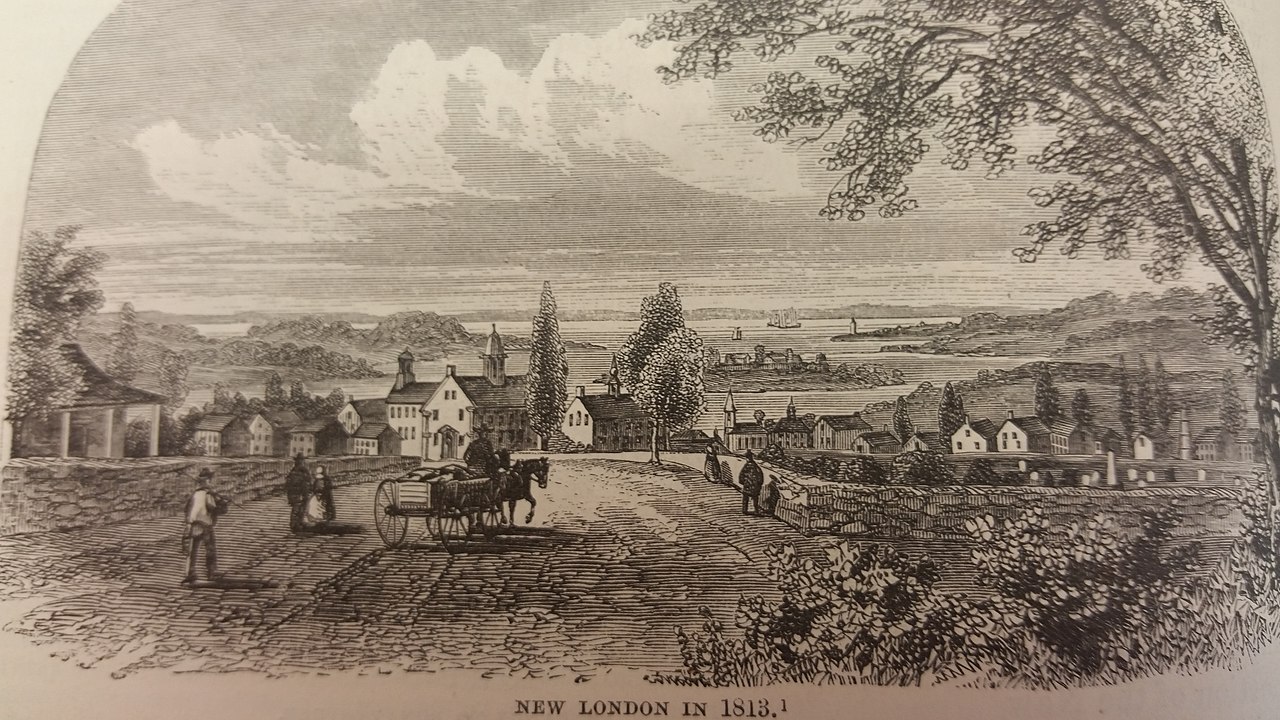
New London is a coastal city in southeastern Connecticut in the United States. Positioned at the mouth of the Thames River where it meets Long Island Sound, the city has long served as a regional harbor and maritime center. Its waterfront location shapes local life, economy, and cultural identity.
Image gallery
10 Images



Geography and economy
New London’s deep harbor and access to open water have supported shipping, fishing, and related industries for centuries. Today the local economy blends maritime services, education, tourism, and small-scale manufacturing. The adjacent submarine and naval facilities across the river contribute to the broader regional economy, and ferry connections and recreational boating bring visitors to the waterfront.
History
Founded in the colonial era, New London developed as a busy port involved in coastal trade and whaling. The city was the scene of notable wartime activity during the American Revolution, including a British attack led by Benedict Arnold in 1781 that damaged large parts of the town. Later decades brought shipbuilding, commercial shipping, and the preservation of historic districts that reflect the city’s maritime past.
Education and culture
Education and maritime training are prominent in New London. The United States Coast Guard Academy is located in the city and provides professional training for Coast Guard officers. The city is also home to liberal arts institutions and community arts organizations, galleries, and theaters that contribute to a lively cultural scene.
Landmarks and attractions
- Historic forts and shoreline defenses, including a state park that interprets coastal military history.
- Maritime museums, a working harbor, and scenic waterfront promenades popular with visitors.
- Historic residential neighborhoods, a notable lighthouse marking the harbor entrance, and local festivals that celebrate seafaring traditions.
Notable facts and distinctions
New London retains an active role in coastal navigation and maritime education. Its combination of historic architecture, institutional anchors like the Coast Guard Academy, and proximity to regional naval and shipbuilding facilities gives it a distinctive place among New England port cities. Visitors and residents alike value the waterfront, public parks, and the visible legacy of the city’s long relationship with the sea.
Related articles
Author
AlegsaOnline.com New London, Connecticut Leandro Alegsa
URL: https://en.alegsaonline.com/art/69556
Sources
- ci.new-london.ct.us : "Office of the Mayor"
- ci.new-london.ct.us : "Council Members"