
New Jack Swing: an overview of the style and its legacy
New jack swing is a late-20th-century hybrid of R&B, hip hop and dance production that reshaped mainstream pop and R&B in the late 1980s and early 1990s.
New jack swing is a popular music movement that fused contemporary R&B vocal styles with hip hop rhythms and dance-oriented production. It emerged in the mid-1980s as producers and performers blended slick vocal harmonies, electronic drum programming and sampled textures to create a radio-friendly yet streetwise sound. Early descriptions often call it a new form of urban popular music that deliberately mixed elements from dance, R&B and other musical traditions.
Image gallery
1 Image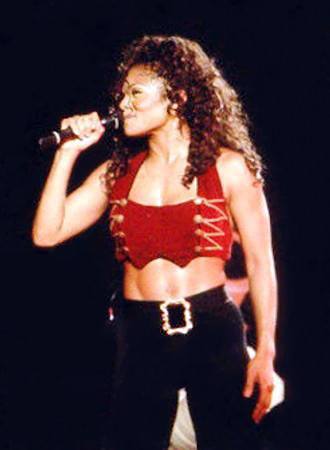
Characteristics
The style is recognizable by a few consistent production and performance traits:
- Drum-machine patterns with a distinctive swung or syncopated backbeat rather than straight 4/4 electronic pop beats.
- Prominent use of sampling and synthesized bass and keyboard parts, often layered beneath smooth, soulful lead vocals.
- An emphasis on tight vocal arrangements—call-and-response, harmonies and brief rap interludes for crossover appeal.
- A polished aesthetic suited to dancefloors and music videos, frequently paired with coordinated choreography and urban fashion.
History and development
The genre is commonly associated with late-1980s urban producers and songwriters who experimented with hip hop production techniques in R&B contexts. Producer and musician Teddy Riley is widely credited with helping to define the sound through his work with groups and his own projects. Commercial momentum carried the style into the early 1990s as record labels sought hits that could cross pop, R&B and dance radio formats.
Artists, albums and cultural impact
Several acts became closely linked with the movement. Groups such as New Edition and its offshoots, and the outfit TLC, recorded tracks that adopted the new jack swing approach to reach broad audiences. Mainstream superstars also incorporated the style: producers associated with the scene contributed to high-profile records such as Michael Jackson's work on the album Dangerous, which blended pop songwriting with contemporary R&B and hip hop production techniques.
By the mid-1990s tastes shifted toward alternative R&B, gangsta rap and neo-soul, and new jack swing's commercial dominance declined. Nevertheless, its influence persists: the emphasis on chromed production, syncopated grooves and crossover songwriting shaped later R&B and pop production approaches and can be traced in numerous revivals and samples.
Notable facts and distinctions
New jack swing differs from traditional soul and earlier R&B primarily through its adoption of hip hop production elements and a deliberate orientation toward danceable singles. Its crossover strategy helped open radio formats and music-video channels to hybrid acts. For further context and examples, readers can consult music surveys and dedicated articles on the genre and key artists (genre overview, dance influence, R&B roots, related styles).
Selected references and artist pages often provide deeper discographies and production credits, useful for exploring how new jack swing shaped late-20th-century popular music and set patterns still audible in contemporary R&B and pop production.
Related articles
Author
AlegsaOnline.com New Jack Swing: an overview of the style and its legacy Leandro Alegsa
URL: https://en.alegsaonline.com/art/69539