
New Wave of British Heavy Metal (NWOBHM)
Late-1970s British movement that revitalized heavy metal with faster, rawer sounds, DIY culture and bands such as Iron Maiden, Saxon and Diamond Head; influential on later metal subgenres.
The New Wave of British Heavy Metal (commonly abbreviated NWOBHM) describes a loose, grassroots musical movement that emerged in the United Kingdom in the late 1970s and reached wider recognition by the early 1980s. It represented a renewed, working‑class energy in Britain and a fresh chapter in heavy metal history. The scene was notable for a surge of young bands, small independent releases, regional club circuits and a do‑it‑yourself approach to recording and promotion.
Image gallery
9 Images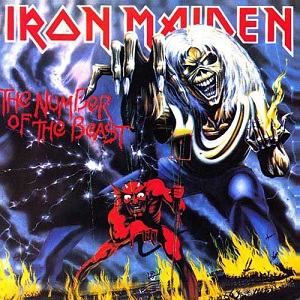




Characteristics and sound
The music associated with NWOBHM combined elements of 1970s hard rock with increased tempo, sharper guitar attack and often thinner, more direct production than earlier albums. Common traits included twin‑guitar harmonies, aggressive riffing, prominent melodic hooks, and vocal styles ranging from shouted delivery to operatic singing. Lyrics explored traditional metal topics—power, mythology, rebellion and working‑class life—alongside a raw immediacy that set many bands apart from polished mainstream acts.
Origins and development
The movement grew in part as older stalwarts of late 1960s and 1970s hard rock reduced their output or changed direction; groups such as Deep Purple, Led Zeppelin and Black Sabbath had each left a strong legacy but were not fully carrying forward the next generation. Local promoters, fanzines, cassette trading and indie labels helped bands reach audiences beyond their hometowns. The British music press also gave the scene a label and visibility, and club shows in small venues created a tight network of supporters and musicians.
Notable bands and examples
- Iron Maiden — one of the most commercially successful acts that rose from the movement, noted for galloping riffs and theatrical stagecraft.
- Saxon — known for straightforward, anthemic songs aimed at heavy rock audiences.
- Diamond Head — influential for their riff writing and cited by later thrash bands as an inspiration.
- Motörhead — often associated with the scene for their speed and attitude, though they predated the NWOBHM and are also seen as a formative influence.
Legacy and influence
NWOBHM helped shape the sound and aesthetics of subsequent metal subgenres. Its emphasis on speed and riff intensity fed into the development of thrash metal in the United States and elsewhere; many American and European groups have cited NWOBHM records as formative. The movement also demonstrated the effectiveness of independent circuits and fan‑driven promotion, a model later used by many underground genres.
Although the initial wave dwindled by the mid‑1980s as some bands signed to major labels, others evolved or disbanded, the NWOBHM period left a lasting catalogue of albums, singles and live recordings that are still reissued and celebrated by collectors and new generations of metal fans. For further reading and archival material, consult contemporary music press and specialist histories that document regional scenes, labels and influential releases.
Related articles
Author
AlegsaOnline.com New Wave of British Heavy Metal (NWOBHM) Leandro Alegsa
URL: https://en.alegsaonline.com/art/69633