
New Orleans blues
A regional blues style from New Orleans blending Dixieland jazz, Caribbean rhythms and piano-driven grooves; upbeat and danceable, it influenced R&B and early rock 'n' roll.
Overview
New Orleans blues is a regional style that blends elements of Dixieland jazz, Caribbean rhythmic patterns and traditional blues song forms. Unlike many blues traditions that emphasize a plaintive mood, New Orleans blues often sounds lively and dance-oriented while retaining blues-based melodies and themes.
Image gallery
4 Images


Characteristics
Rhythm and syncopation are central: a rolling, propulsive pulse commonly called a "second-line" feel underpins many performances. Melodic lines frequently use blues scales, but arrangements favour ensemble interplay and call-and-response between horn players and singers. Piano parts often drive the groove with repeated ostinatos and syncopated left-hand patterns.
History and influences
The style emerged where African-American blues, Creole and Caribbean music interacted with early jazz and ragtime in New Orleans' social and performance scenes. Musicians in the city absorbed the so-called "Spanish tinge"—a habanera or Afro-Caribbean rhythmic influence noted in early jazz writing—and adapted it to blues forms. Over time the sound shaped and was shaped by local brass band tradition, parade culture and nightclub entertainment.
Instruments and notable performers
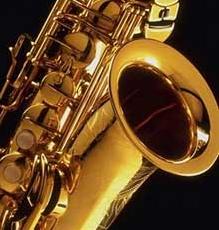
Common instruments include the piano, trumpet, trombone, clarinet, saxophone, drums, upright bass and guitar. The piano often provides both rhythmic drive and solo statements, while horns supply punctuated riffs and harmonic texture. Prominent musicians associated with the New Orleans tradition include piano-based artists and singers who blended blues, boogie and local rhythms into popular recordings and live shows.
- Piano: rhythmic comping, Basslines and solos
- Horns: melodic riffs and call-and-response
- Drums: second-line and syncopated beats
Uses, distinctions and legacy
New Orleans blues is commonly heard in dance halls, clubs, street parades and social gatherings; it forms part of the city's musical identity. It differs from Delta or Chicago blues by stressing ensemble texture and rhythmic vitality rather than extended guitar soloing or a solo singer accompanied by a single instrument. Its emphasis on piano and Caribbean-influenced rhythms helped shape rhythm and blues and contributed to the emergence of early rock 'n' roll.
Related articles
Author
AlegsaOnline.com New Orleans blues Leandro Alegsa
URL: https://en.alegsaonline.com/art/69579
Sources
- allmusic.com : "New Orleans Blues Music Genre Overview"