
Nevada Test Site (Nevada National Security Site)
Large U.S. nuclear testing area in Nye County, Nevada, established in 1951; used for atmospheric and underground weapons tests until 1992 and later repurposed for experiments, research, and cleanup.
Overview
The Nevada Test Site is a large, federally managed area in southern Nevada established for testing nuclear devices and related experiments. Administered by the U.S. Department of Energy, the reservation lies in Nye County roughly 65 miles northwest of Las Vegas. Created early in the Cold War era, the property covers about 1,350 square miles (approximately 3,500 km²) of desert basins and mountain ranges and includes many named testing areas and facilities.
Image gallery
10 Images





Establishment and early history
The site was established on January 11, 1951 as the United States expanded continental nuclear testing. The first series of operations included atmospheric detonations; for example, a one-kiloton device was detonated on January 27, 1951 over Frenchman Flat. During the 1950s and into the 1960s the site hosted both atmospheric and near-surface tests that produced the iconic imagery of mushroom clouds and shock waves visible for many miles.
Test types and major areas
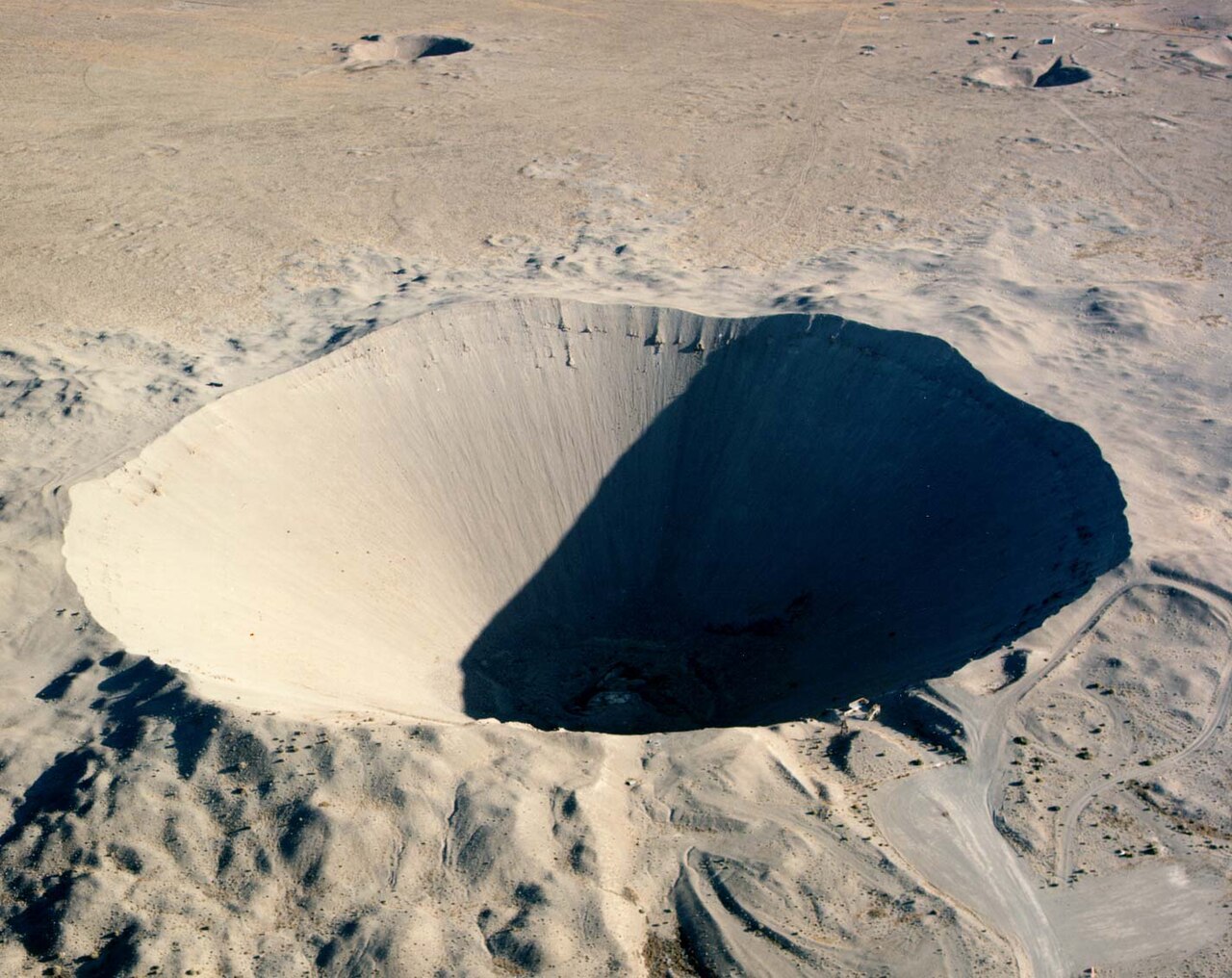
Testing at the site encompassed a wide range of activities: full-yield detonations, safety trials, effects and survivability experiments, tunnel and shaft detonations, and later underground tests intended to contain radioactive debris. Major named areas used for testing include Frenchman Flat, Yucca Flat, Pahute Mesa and Rainier Mesa. Some experiments, notably large excavation and peaceful-use proposals of the era, produced dramatic ground disturbances; energy yields are sometimes expressed in kilotons or in units such as terajoules to convey scale.
Environmental and health impacts
Atmospheric testing dispersed radioactive material beyond the reservation and generated concern about fallout. After atmospheric tests largely ceased in response to international agreements and public concern, underground testing continued until a U.S. moratorium was adopted in 1992. The Department of Energy has reported residual contamination in portions of the site and maintains ongoing monitoring and remediation programs. Federal efforts related to health and compensation — for people exposed downwind or involved in tests — include monitoring, medical studies, and compensation frameworks such as the Radiation Exposure Compensation Act.
Post-testing uses, oversight and legacy
Following the end of explosive testing the area was used for controlled experiments that do not produce a nuclear yield (including subcritical experiments), emergency-response and radiological-training exercises, and research into remediation and waste management. In recognition of evolving missions beyond testing, the site was later renamed the Nevada National Security Site by federal authorities to reflect a broader set of national security responsibilities. The DOE continues to oversee the site, implement cleanup and monitoring, and provide limited educational and historical outreach.
Access, culture and public information
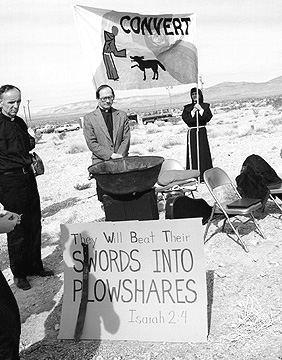
The site is restricted federal property with controlled access; periodic public tours, historical exhibits and declassified photo collections help convey the technical and social history to the public. The reservation also lies within lands historically used by Indigenous peoples, and its history includes legal and cultural disputes and consultations addressing stewardship and cultural resources. Scholars and policymakers study the Nevada Test Site as a case study in Cold War technology, environmental consequence and long-term federal responsibility.
Significance
- The site played a central role in U.S. nuclear weapons development and testing programs during the mid-20th century. DOE stewardship continues.
- Its remote location in Nye County provided varied geology suited to both atmospheric and underground tests.
- Historical records note specific dates and tests—establishment on January 11 and early detonations such as those in 1951 and on January 27—as part of the documented timeline of Cold War testing.
Today the Nevada Test Site/Nevada National Security Site remains important for historical study, environmental science, national-security research and public policy about nuclear testing, environmental remediation and compensation for affected communities.
Related articles
Author
AlegsaOnline.com Nevada Test Site (Nevada National Security Site) Leandro Alegsa
URL: https://en.alegsaonline.com/art/69421
Sources
- tfd.com : "Kiloton"
- latimes.com : Nuclear scars: Tainted water runs beneath Nevada desert