
Nestor Espenilla Jr. — Filipino central banker and BSP governor
Nestor A. Espenilla Jr. (1958–2019) was a Filipino economist who served as the fourth Governor of the Bangko Sentral ng Pilipinas (2017–2019), known for a long career in central banking and financial supervision.
Nestor Aldave Espenilla Jr. was a Filipino economist and public servant who led the Bangko Sentral ng Pilipinas (BSP) as its fourth governor from 2017 until his death in 2019. He was appointed governor by President Rodrigo Duterte. Espenilla was born in San Jacinto, Masbate and spent most of his professional life working at the central bank, where he developed a reputation for technical competence and steady stewardship.

Image gallery
1 Image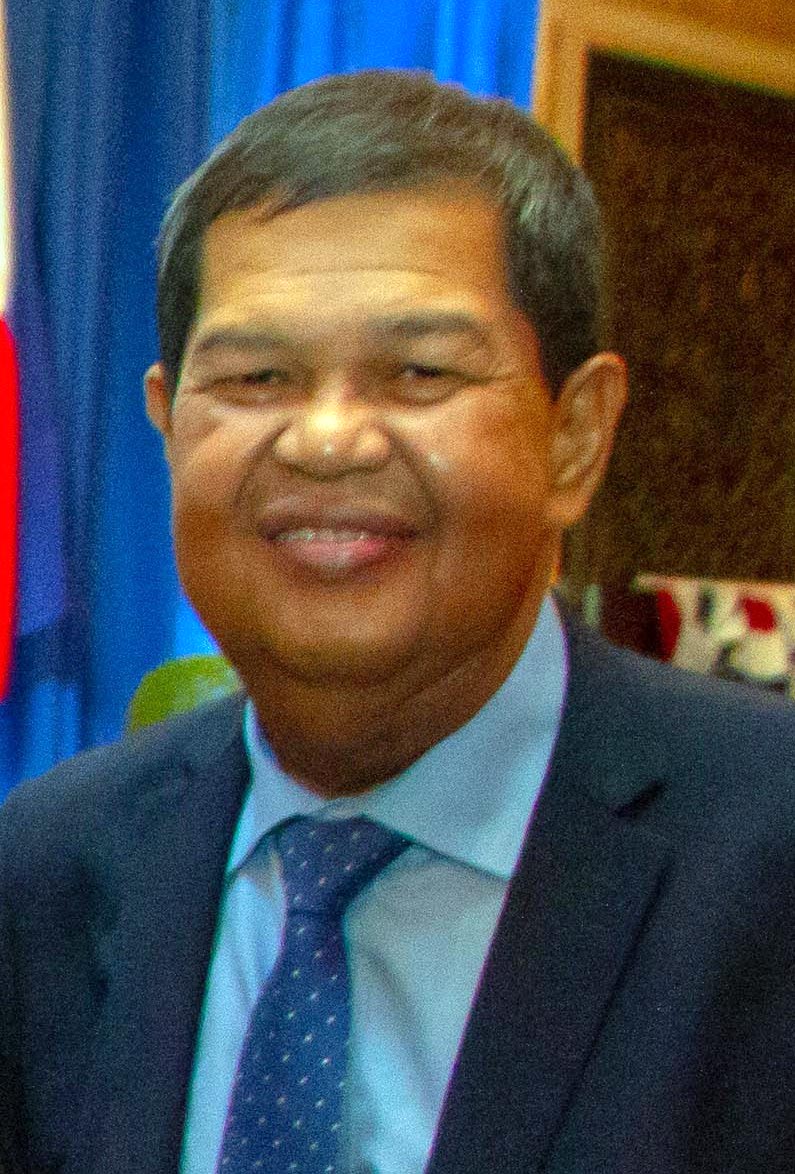
Early life and training
Raised in the provinces, Espenilla pursued studies in economics and received specialized training in central banking and financial supervision over the course of his career. He entered the BSP as a career central banker and accumulated decades of experience across policy and supervisory functions. Colleagues recall that his background combined technical economic knowledge with practical regulatory experience.
Career at the Bangko Sentral ng Pilipinas
Espenilla rose through a sequence of senior positions at the BSP before being named governor. His responsibilities included oversight of banking supervision, regulatory policy, and aspects of monetary policy implementation. During his time in leadership he worked on modernizing supervisory frameworks and strengthening the capacity of the central bank to monitor financial stability.
- Senior leadership roles in banking supervision and regulation.
- Involvement in policy discussions on inflation targeting and macroprudential measures.
- Focus on institutional reforms to improve oversight of the financial sector.
Policy approach and significance
Espenilla was associated with a technocratic approach to central banking: emphasizing price stability, robust supervision, and the resilience of the banking system. He led the BSP during a period of continued economic growth in the Philippines and worked to align supervisory practices with international standards while addressing domestic risks.
Death and legacy
Nestor Espenilla Jr. died in Manila on 23 February 2019, aged 60, after an illness attributed to oral cancer. His passing was widely noted in the Philippine financial community; he is remembered for a long career in public service, efforts to strengthen the central bank's supervisory capacity, and for guiding the institution through a period of change. His tenure is often cited in discussions about institutional continuity and the professional development of central banking staff in the Philippines.
Related articles
Author
AlegsaOnline.com Nestor Espenilla Jr. — Filipino central banker and BSP governor Leandro Alegsa
URL: https://en.alegsaonline.com/art/69246
Sources
- bsp.gov.ph : "Turnover of the BSP Governorship"
- business.inquirer.net : "Selection of 'insider' to head BSP hailed"
- bworldonline.com : "Central bank chief Espenilla passes away"