
Rodrigo Duterte: Davao mayor, 16th President of the Philippines (2016–2022)
Profile of Rodrigo Duterte, Filipino lawyer and politician: mayoral career in Davao, presidency (2016–2022), policies, controversies, and political legacy.
Overview
Rodrigo "Rody" Roa Duterte (born March 28, 1945), commonly known by the nickname Digong, is a Filipino lawyer and politician who served as the 16th President of the Philippines from 2016 to 2022. He first rose to national prominence after a long tenure as mayor of Davao City, where his public image was shaped by a reputation for firm law-and-order policies, outspoken rhetoric, and a populist style that appealed to many voters. He announced his presidential candidacy in late 2015 and won the election held on May 9, 2016. His career has drawn strong support domestically alongside significant controversy at home and abroad.
Image gallery
10 Images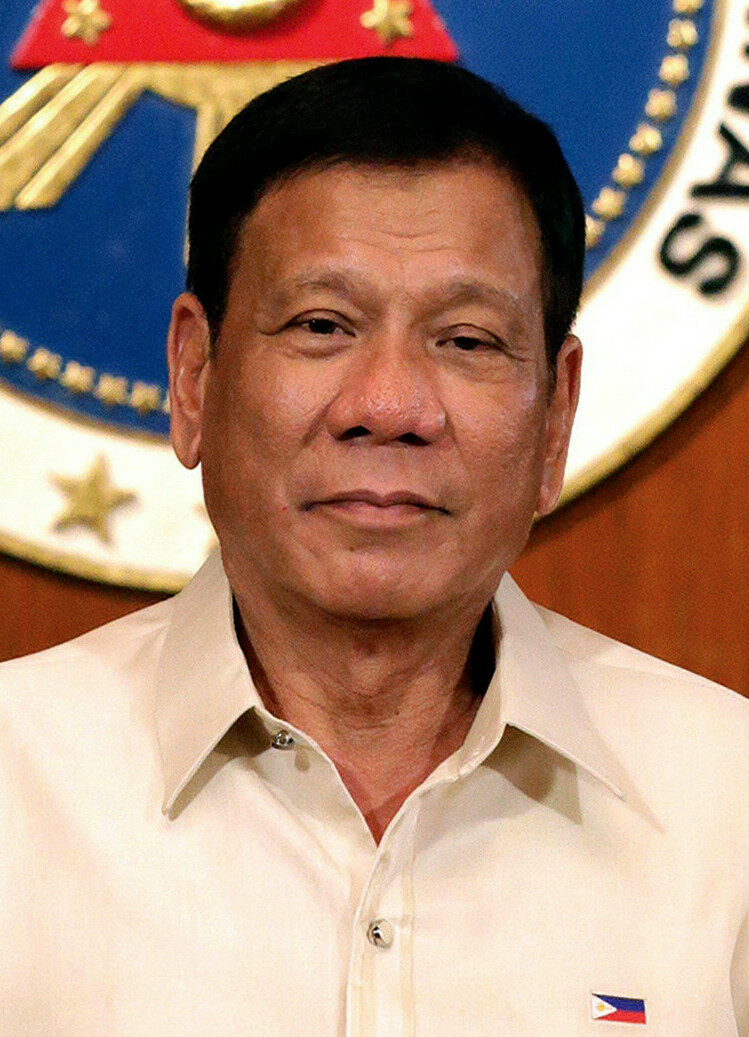


Early life and local political career
Born in Maasin, Leyte, Duterte trained as a lawyer and began a political career that eventually centered on Davao City, in the southern island of Mindanao. He served multiple periods as mayor, including long stretches from 1988 to 1998, 2000 to 2010, and 2013 to 2016, becoming one of the Philippines' longest-serving municipal leaders. His years as mayor established his public image as an assertive executive who prioritized security, local economic development and public order. For more on his municipal tenure see Davao City references and profiles.
Presidency (2016–2022)
As president, Duterte pursued a mix of domestic reforms and a distinct foreign policy posture. Domestically, his administration emphasized infrastructure investment, decentralization efforts, and a high-profile campaign against illegal drugs. His flagship infrastructure program carried a public aim of accelerating transport, energy, and urban projects. In external affairs, his government signaled a desire to diversify international relationships and at times sought closer economic ties with neighboring powers. Official timelines and summaries are available through general presidential sources such as presidential archives.
Policies and controversies
Duterte’s tenure is widely associated with an intensive anti-drug campaign and outspoken statements on crime and governance. These policies won popular backing among Filipinos concerned about public safety, but also led to sustained criticism from domestic and international human rights organizations and some foreign governments. Concerns focused on reports of extrajudicial actions linked to anti-drug efforts and the rule-of-law implications. Various international bodies and legal observers documented and discussed these issues during and after his administration, and they formed a central strand of debate over his legacy.
Later developments and family in politics
In August 2021 Duterte announced plans to seek the vice presidency, but in October 2021 he declared he would not run and signaled an intention to retire from active politics. Instead, his daughter, Sara Duterte, entered national politics more prominently and won the vice-presidency in May 2022; his son, Sebastian Duterte, returned to municipal leadership in Davao City. These shifts have kept the Duterte family influential in Philippine public life; contemporary political analyses and election reporting reference these outcomes, including summaries at announcements and election reports.
Notable facts and legacy
- Nickname: commonly called "Digong" in media and popular use.
- Long municipal leadership: among the Philippines’ longest-serving mayors, largely associated with Davao City (Davao City).
- Polarizing figure: admired for decisive rhetoric and practical initiatives by supporters; criticized by human rights groups and international observers by detractors.
- Political succession: family members have remained active in politics following his presidency, as reported in various national sources (electoral coverage).
- Public perception: his direct communication style and populist messaging reshaped aspects of contemporary Philippine political discourse.
For official biographies and further reading, consult primary profiles and archived materials provided by governmental and reputable informational outlets; general reference pages can be found via public records and the official tracks of executive office profiles and historical summaries on the presidency.
Author
AlegsaOnline.com Rodrigo Duterte: Davao mayor, 16th President of the Philippines (2016–2022) Leandro Alegsa
URL: https://en.alegsaonline.com/art/129909