
Necrosis: causes, types, clinical features and treatment
Necrosis is pathological death of body tissue due to injury, infection, toxins, or impaired blood flow. This article summarizes causes, types, signs, diagnosis, treatment, prevention, and distinctions from programmed cell death.
Necrosis is the pathological death of cells or tissues in a living organism, usually resulting from an acute injury or a sustained loss of blood supply. Unlike normal cell turnover, necrotic tissue undergoes structural breakdown, may darken or liquefy, and cannot perform its original function. The process can be localized to a small area or spread, and it often provokes inflammation in surrounding tissue. For more on how interrupted blood flow contributes to this process see ischemia and necrosis.
Image gallery
6 Images


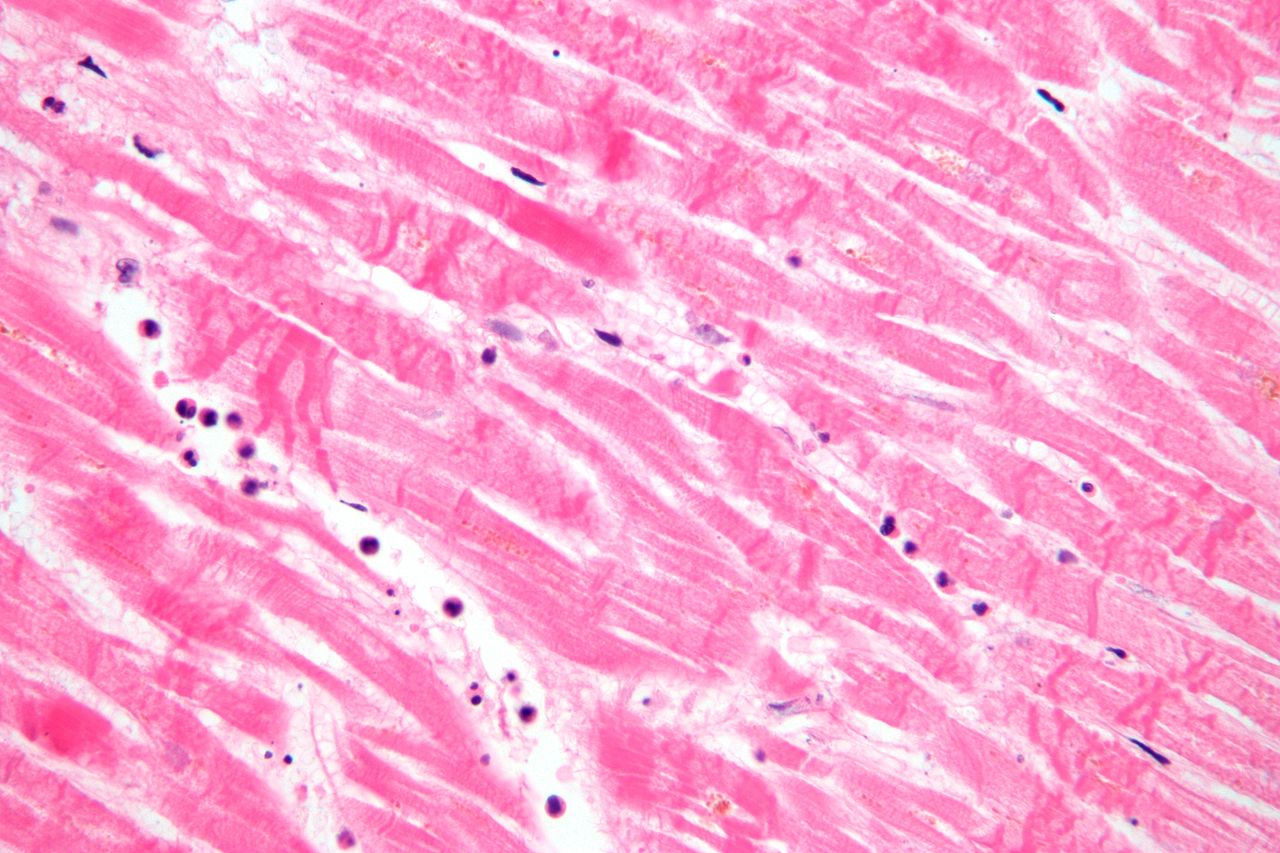


Causes and common types
Multiple mechanisms can lead to necrosis. Major causes include prolonged ischemia, severe infections, physical trauma, chemical poisons, and radiation exposure. Secondary factors such as diabetes, peripheral arterial disease and smoking increase risk. Typical morphological patterns include:
- Coagulative necrosis — common after ischemic injury in solid organs.
- Liquefactive necrosis — seen with bacterial infections and in the central nervous system.
- Caseous necrosis — associated with certain granulomatous infections.
- Fat necrosis — follows enzymatic or traumatic damage to fatty tissue.
- Gangrene — a clinical term for extensive necrosis, often described as dry, wet, or gas gangrene.
Clinical features, diagnosis and treatment
Patients with necrosis may experience pain, loss of function in the affected area, visible discoloration, foul odor, or systemic signs if infection or sepsis develops. Diagnosis relies on clinical examination, imaging, and sometimes tissue biopsy. Microbial causes are identified with cultures; toxins and radiation history are considered in the clinical context. For infectious causes see bacterial and fungal necrosis and for toxic exposures see poison-related tissue injury.
Treatment focuses on removing dead tissue (debridement), controlling infection with antibiotics, restoring blood flow when possible, and supportive care. Hyperbaric oxygen and wound-care techniques can aid healing; severe or nonviable limbs may require amputation. For management strategies and rehabilitation resources consult clinical guidance and basic references such as medical overviews.
Distinctions worth noting: necrosis is pathologic and typically pro-inflammatory, whereas apoptosis is a regulated form of cell death that usually avoids inflammation. Recent research describes regulated necrosis pathways (for example, necroptosis) that blur classical boundaries. Early recognition, prevention of risk factors, and prompt medical care reduce complications and improve outcomes.
Related articles
Author
AlegsaOnline.com Necrosis: causes, types, clinical features and treatment Leandro Alegsa
URL: https://en.alegsaonline.com/art/68970
Sources
- nlm.nih.gov : "Necrosis: MedlinePlus Medical Encyclopedia"