
Nauvoo, Illinois: history, community, and the Nauvoo Temple
Nauvoo, a small city on the Mississippi in western Illinois, is known for its 19th‑century Mormon settlement, the Nauvoo Temple, later Icarian communal experiments, and its preserved historic district.
Overview
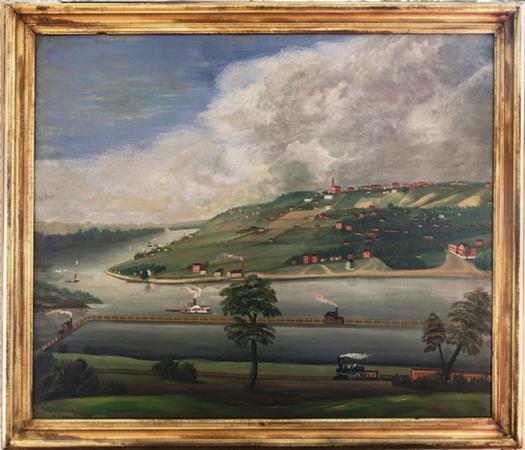
Nauvoo is a small city in western Illinois situated on bluffs above the Mississippi River. Its compact downtown and surrounding historic properties attract visitors interested in 19th‑century American religious history, river commerce, and utopian experiments. The city today combines residential life with heritage tourism and interpretation.
Image gallery
7 Images




Origins and development
The town achieved national prominence after members of the Church of Jesus Christ of Latter‑day Saints settled there beginning in 1839. Under the leadership of church founders, the community grew rapidly and constructed public buildings, homes, and a temple intended as the spiritual and civic center. Tensions with neighboring communities and the martyrdom of church leader Joseph Smith in 1844 contributed to the eventual departure of most Mormon inhabitants in the mid‑1840s.
Temple, destruction, and reconstruction
The original Nauvoo Temple was completed by the departing Latter‑day Saints in the mid‑1840s and became an important symbol of their faith. After the exodus, the building suffered damage: it was set afire and later heavily damaged by storms and neglect. In the late 20th century, renewed interest in the site led to a faithful reconstruction completed and dedicated in 2002, which is a focal point for visitors and members of the church.
Icarian colony and later uses
Following the Mormon departure, Nauvoo became the site of a separate communal experiment founded by followers of French utopian Etienne Cabet. The Icarians established a vegetarian, cooperative settlement in the late 1840s and early 1850s, leaving additional architectural and social traces. Over subsequent decades, the town evolved into an agricultural and riverine community while preserving many historic structures.
What to see and why it matters
- Historic Nauvoo Temple and adjacent visitors' facilities
- Reconstructed 19th‑century homes, businesses, and a restored Main Street
- Interpretive museums and programs about Mormon settlement and the Icarian experiment
- Scenic views of the Mississippi and local festivals that emphasize heritage
Researchers and tourists often consult regional guides and municipal resources for schedules and interpretive programming. For general context about the city and its role in American religious and utopian history, see state and national historical summaries and local archives. Additional online resources and visitor information can be found through municipal and heritage organization pages that provide maps, event listings, and further reading about Illinois and the United States.
Related articles
Author
AlegsaOnline.com Nauvoo, Illinois: history, community, and the Nauvoo Temple Leandro Alegsa
URL: https://en.alegsaonline.com/art/68822