
Natural fibre: types, properties, uses and environmental aspects
Natural fibres are textile or structural filaments obtained from plants, animals or minerals. This article explains types, characteristics, processing, common uses, history and sustainability considerations.
A natural fibre is a threadlike material obtained from plant, animal or mineral sources and used for textiles, ropes, paper and composite materials. Natural fibres have been employed by human societies for millennia, from early weaving of plant stalks and animal hair to modern engineered panels and sustainable packaging. They are distinct from synthetic fibres, which are manufactured from petrochemicals.
Image gallery
8 Images


Main categories and examples
Natural fibres are commonly grouped by origin:
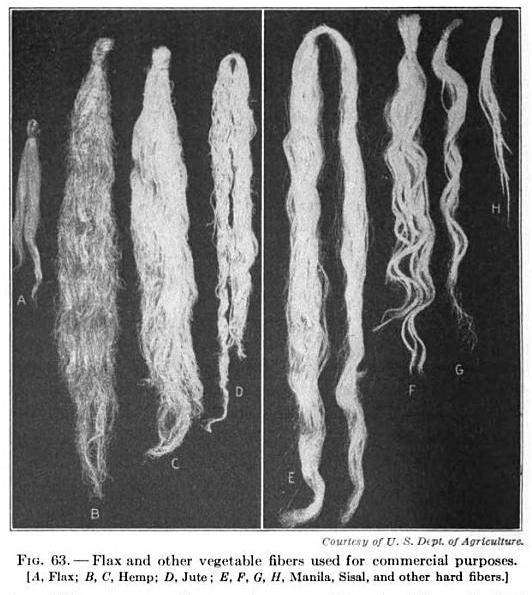
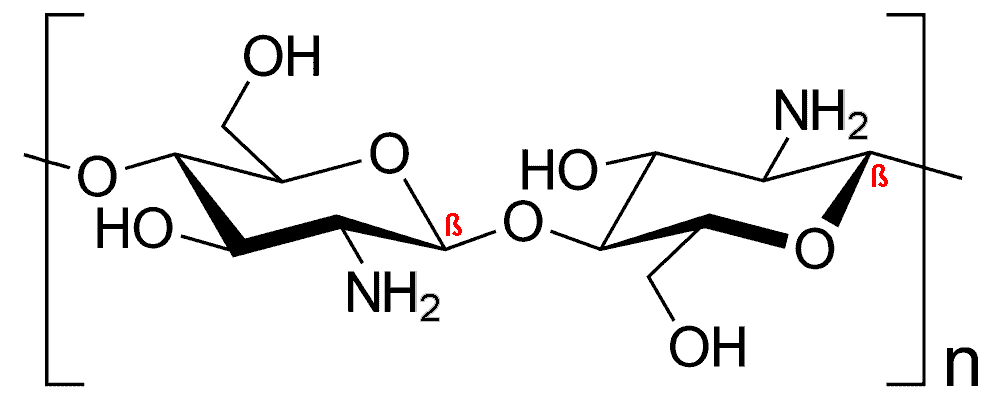
- Plant fibres: cotton, flax (linen), hemp, jute, sisal and coir. These come from seeds, stems or leaves and are often rich in cellulose.
- Animal fibres: wool, silk, alpaca and cashmere. Derived from hair, fleece or cocoons, they are largely protein-based (keratin or fibroin).
- Mineral fibres: asbestos historically, though now mostly avoided for health reasons; other mineral-derived fibers appear in specialist uses.
Characteristics and performance
Natural fibres vary widely in strength, fineness, elasticity, thermal behavior and moisture management. Plant fibres generally absorb moisture and are cool to the touch, while animal fibres insulate well and can retain loft and warmth. Many natural fibres are biodegradable and combustible. Their mechanical properties depend on plant species, animal breed, growing conditions and post-harvest processing.
Processing and products
After harvesting, fibres undergo cleaning, retting (for some plant fibres), carding, spinning and finishing to become yarn or nonwoven mats. Modern processing can also convert fibres into composite reinforcements for automotive panels, biodegradable packaging or insulation. Textile finishing modifies hand, dyeability and performance to suit apparel, upholstery or technical uses.
Uses and examples
- Clothing and apparel: cotton shirts, wool sweaters, silk garments.
- Home textiles: linen sheets, jute rugs, coir doormats.
- Industrial: rope, twine, packaging, geotextiles and bio-composites.
- Traditional crafts: basketry, fishing nets, handwoven fabrics.
Environmental considerations and distinctions
Natural fibres are often promoted for lower fossil-fuel use and biodegradability, but environmental impacts vary: water use, pesticide application, land use and processing chemicals can be significant. Comparisons with synthetics must consider life-cycle factors such as durability, care requirements and end-of-life. Growing interest in cultivated fibres like hemp and advances in recycling aim to improve sustainability while retaining the tactile and ecological benefits of natural materials.
Related articles
Author
AlegsaOnline.com Natural fibre: types, properties, uses and environmental aspects Leandro Alegsa
URL: https://en.alegsaonline.com/art/68762