
Astrodome (Houston)
The Astrodome is a pioneering domed sports stadium in Houston, Texas, opened in 1965 as the first large-scale, multi-purpose domed arena, noted for its architecture, artificial turf innovation, and cultural role.
Overview
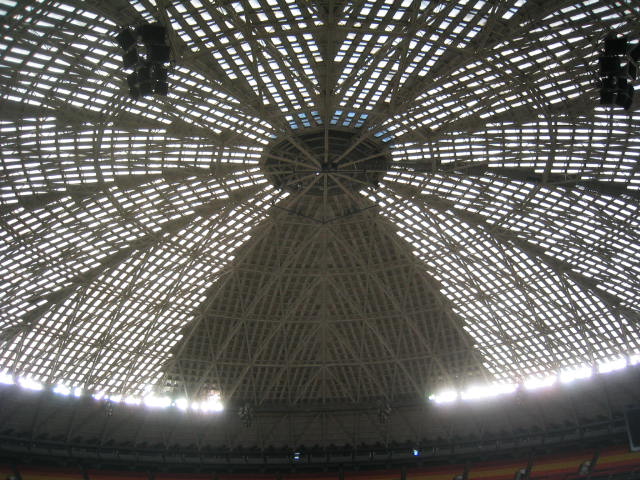
The Astrodome is a landmark domed sports stadium in Houston, Texas, opened in 1965. Celebrated as the first large-scale domed, multi-purpose stadium, it was widely promoted as an engineering and cultural milestone and earned the nickname "Eighth Wonder of the World." The venue sits within the larger Reliant Park complex and has served as a focal point for professional sports, large public events, and regional gatherings. For official and visitor information see stadium overview.
Image gallery
10 Images




Design and characteristics
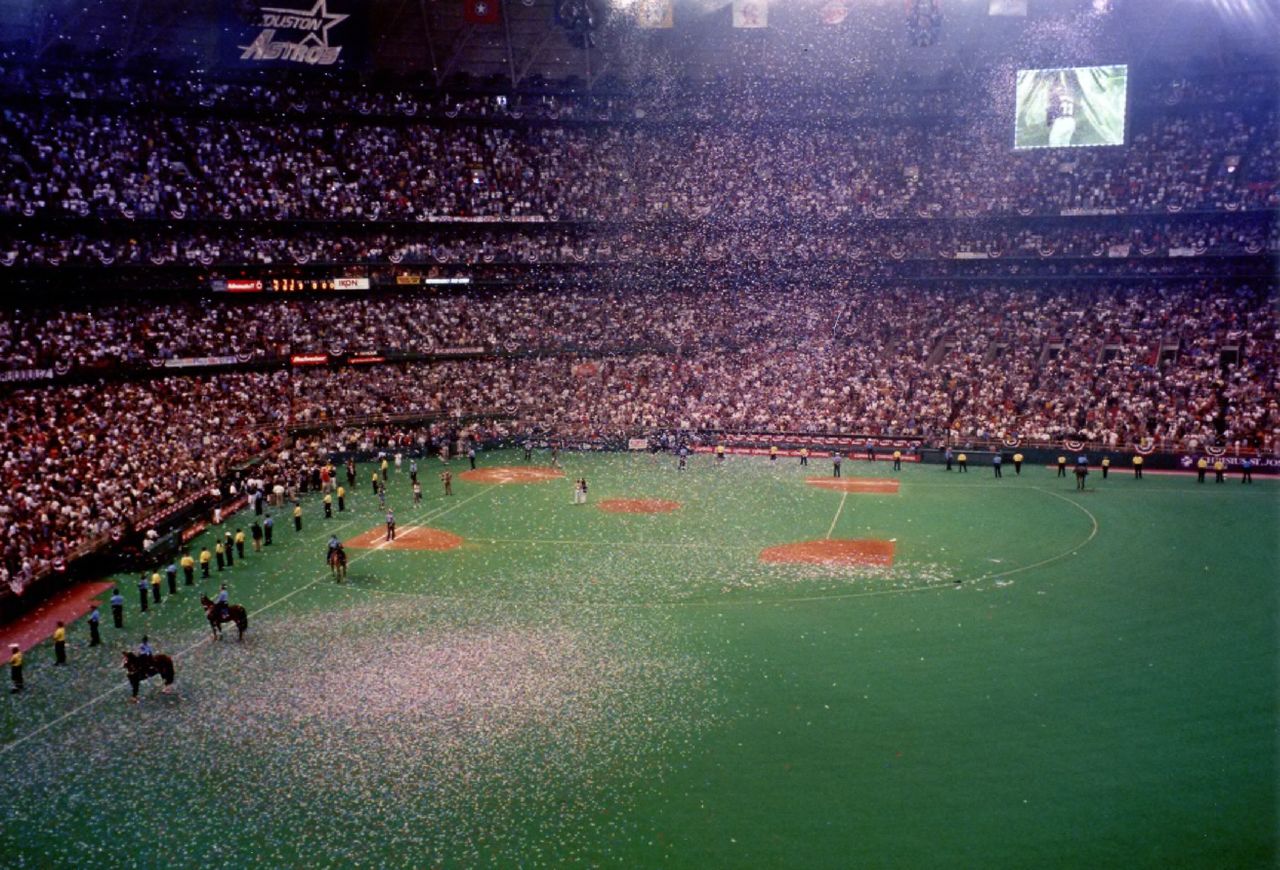
The facility is characterized by its continuous dome roof, a bowl-style seating arrangement, and broad field area intended to accommodate different playing surfaces and configurations. Its enclosed environment allowed events to proceed independent of weather, but also presented challenges for growing natural grass. That difficulty prompted the development and adoption of artificial playing surfaces, often associated with the term "AstroTurf." Mechanical, sightline, and circulation elements were designed to support large crowds, media operations, and varied event types. More details on the building's layout and engineering are available at design resources.
History and development
Conceived in the mid-20th century as part of a wave of modern stadium projects, the Astrodome represented a bold attempt to combine architecture and technology to serve multiple functions. Its opening attracted national attention and influenced the planning of later domed and multi-use stadiums in North America and beyond. Ownership, naming rights, and surrounding complex identities have changed over time; for example, Reliant Energy acquired the right to use its name beginning in 2000. The venue's decades-long history includes professional baseball and football tenants, as well as civic and entertainment uses. For timelines and archival materials, consult historical records.
Uses, events, and cultural importance
The Astrodome hosted a wide range of activities: major league baseball and football games, professional and amateur sports, rodeos, concerts, conventions, and community events. Its status as an early indoor mega-venue made it an attractive choice for touring performers and large-scale exhibitions. The stadium's influence reached beyond events: its association with the invention and popularization of synthetic turf and its role in sports architecture are regularly cited in discussions of stadium design and urban cultural infrastructure. Event planners and researchers may find further information at event archives.
Notable facts and distinctions
- Often described as the first major domed, multi-purpose stadium.
- Nicknamed the "Eighth Wonder of the World" in publicity and popular writing.
- Closely associated with early artificial turf solutions that changed how indoor arenas were surfaced and maintained.
- Part of a larger exhibition and sports complex that has evolved through different names and uses over time.
Tags
Related articles
Author
AlegsaOnline.com Astrodome (Houston) Leandro Alegsa
URL: https://en.alegsaonline.com/art/6829
Sources
- ballparks.com : Ballparks
- mickeymantles.com : "Mickey Mantle's NYC"
- astrosdaily.com : Houston Astros history - 1965 season