
Naming Rights (Corporate Sponsorship of Venues)
Commercial agreements in which an organization pays to attach its name to a building or venue. Covers how these contracts work, history, examples, benefits, and common criticisms.
Overview
Naming rights are commercial agreements in which a company or organization pays the owner of a building, stadium, arena, transit station or other public venue for the right to have that place carry the company's name for a specified period. The arrangement is a form of corporate sponsorship and is used to raise revenue, promote a brand, or create a high-visibility association between the sponsor and the venue. A typical public example is when a professional sports team’s ballpark bears the name of a corporate partner such as Coors Field.
Image gallery
5 Images
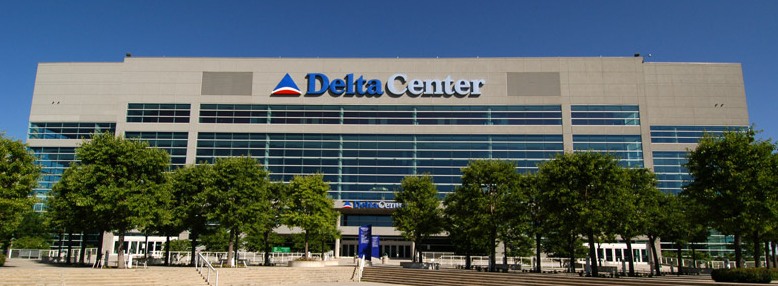


How naming rights work
Most naming-rights agreements are formal contracts that set out the duration, fees, permitted uses of the name, signage and branding rights, and performance conditions. Payments may be made as a single lump sum or in installments over the term. Contracts also often include clauses related to exclusivity (preventing competitors from obtaining similar exposure), signage placement, digital and broadcast use of the name, and termination conditions in cases of reputational risk or bankruptcy.
Typical contract elements
- Term length and renewal options
- Financial terms and payment schedule
- Branding rights, signage, and trademark usage
- Exclusive category rights and sponsorship tiers
- Termination, force majeure, and morality clauses
History and development
The commercialization of building names expanded in the late 20th century as sports and entertainment venues sought new revenue streams and corporations sought prominent ways to reach large audiences. Naming deals grew more common with the rise of televised sports and large-capacity venues, and the practice has since spread beyond sports to cultural institutions, performing arts centers, transit hubs, and educational facilities.
Uses, benefits and examples
For venue owners, selling naming rights can supply capital for construction, renovation, or ongoing operations without raising taxes or public fees. For sponsors, the payoff is brand visibility, consumer recognition, hospitality opportunities and community association. Examples extend from stadiums and arenas to convention centers and corporate towers; institutions may also pair naming rights with philanthropic naming for donor recognition.
Criticisms and important distinctions
Naming rights can spark public debate when a historic or community name is replaced, or when a sponsor’s business practices are controversial. Some contracts include "morality clauses" allowing termination if adverse events occur. Distinctions to note: naming rights differ from short-term event sponsorships or advertising because they confer an enduring name attachment, and from philanthropic naming where a gift, rather than a commercial exchange, is the basis for a name.
For further reading on venue ownership and naming arrangements see resources for venue managers and case studies of high-profile deals at stadium and venue management sources.
Related articles
Author
AlegsaOnline.com Naming Rights (Corporate Sponsorship of Venues) Leandro Alegsa
URL: https://en.alegsaonline.com/art/68200