
Nagano (city) — capital of Nagano Prefecture, Japan
Nagano is a regional administrative, cultural, and transport hub in central Japan, known for Zenko-ji Temple, mountain scenery, and hosting the 1998 Winter Olympics.
Overview
Nagano (長野市) is the prefectural capital and principal city of Nagano Prefecture (長野県) in central Honshu, Japan. It serves as a regional administrative, commercial, and educational center and was recognized as a core city in 1999, giving it expanded local autonomy. The urban area combines modern infrastructure with a long history of pilgrimage, mountain culture, and seasonal tourism.
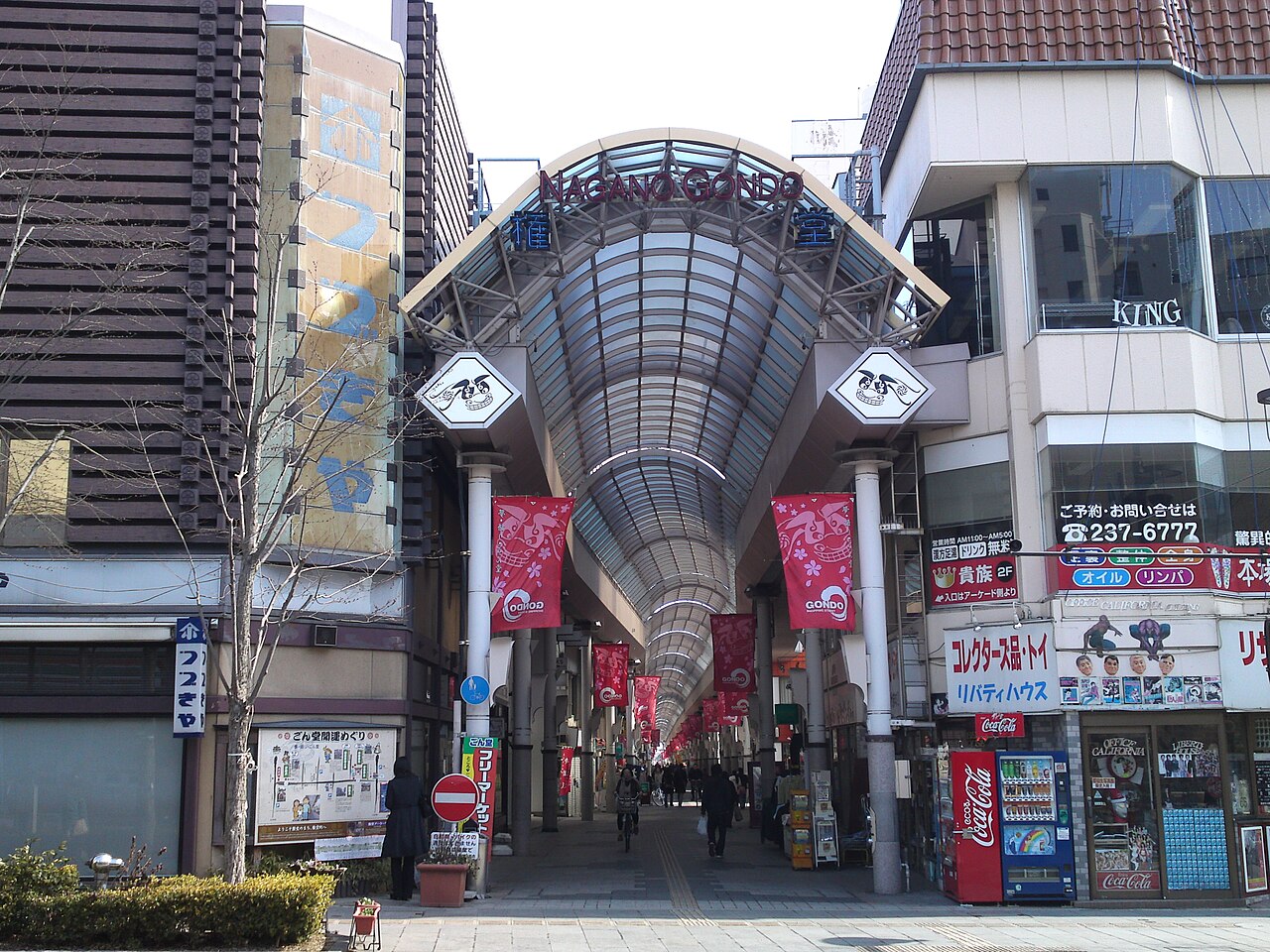
Image gallery
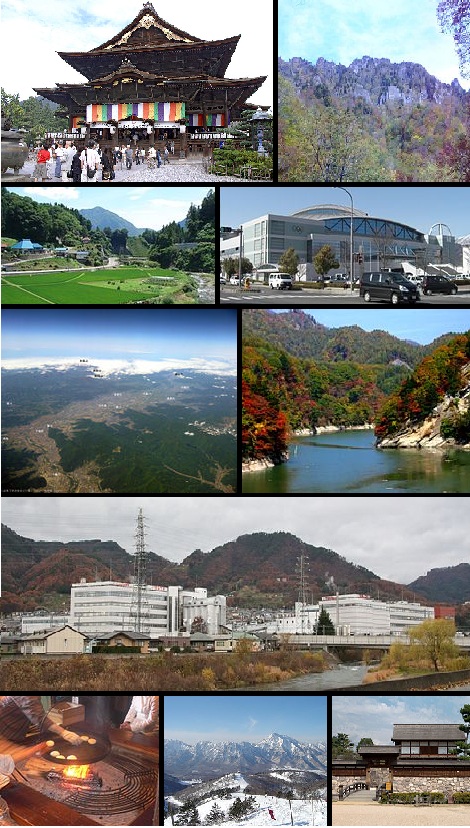
10 Images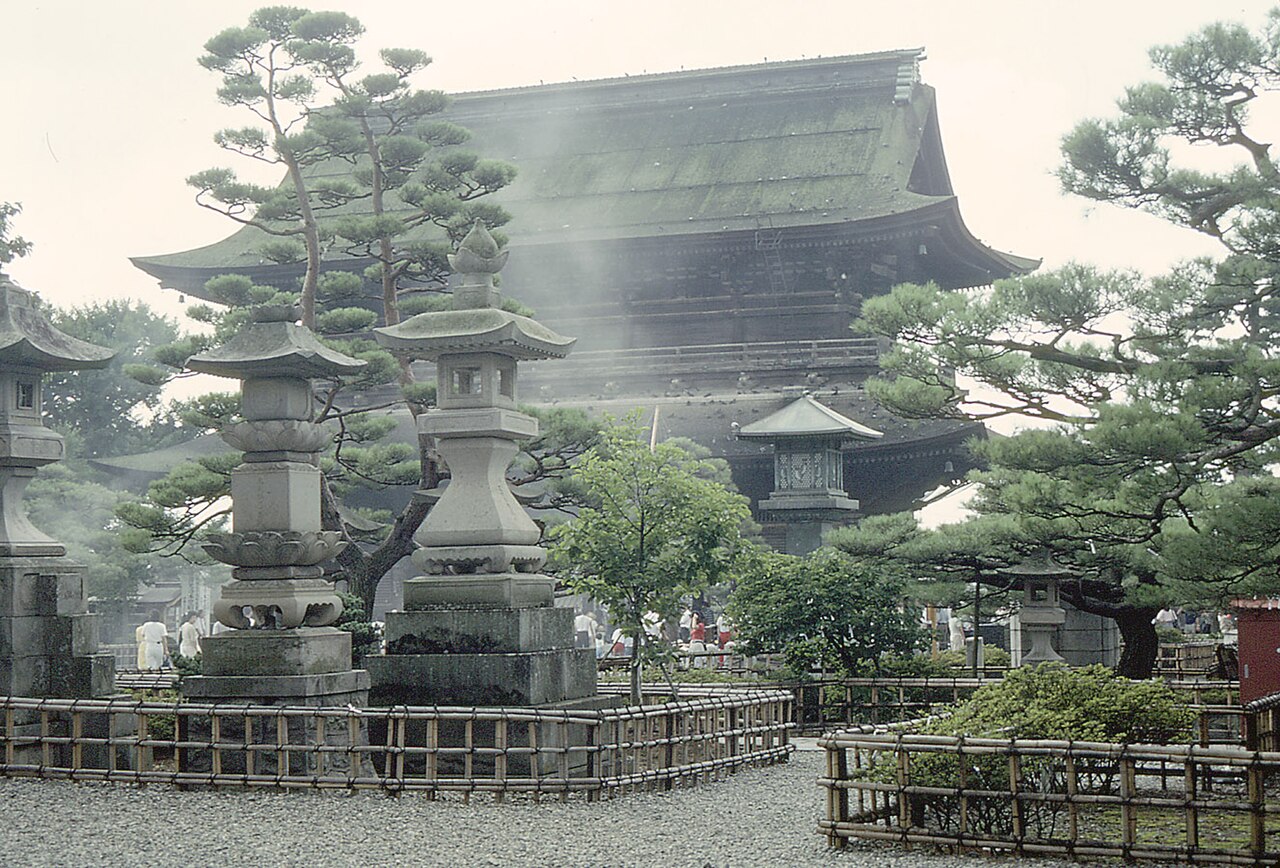




Geography and climate
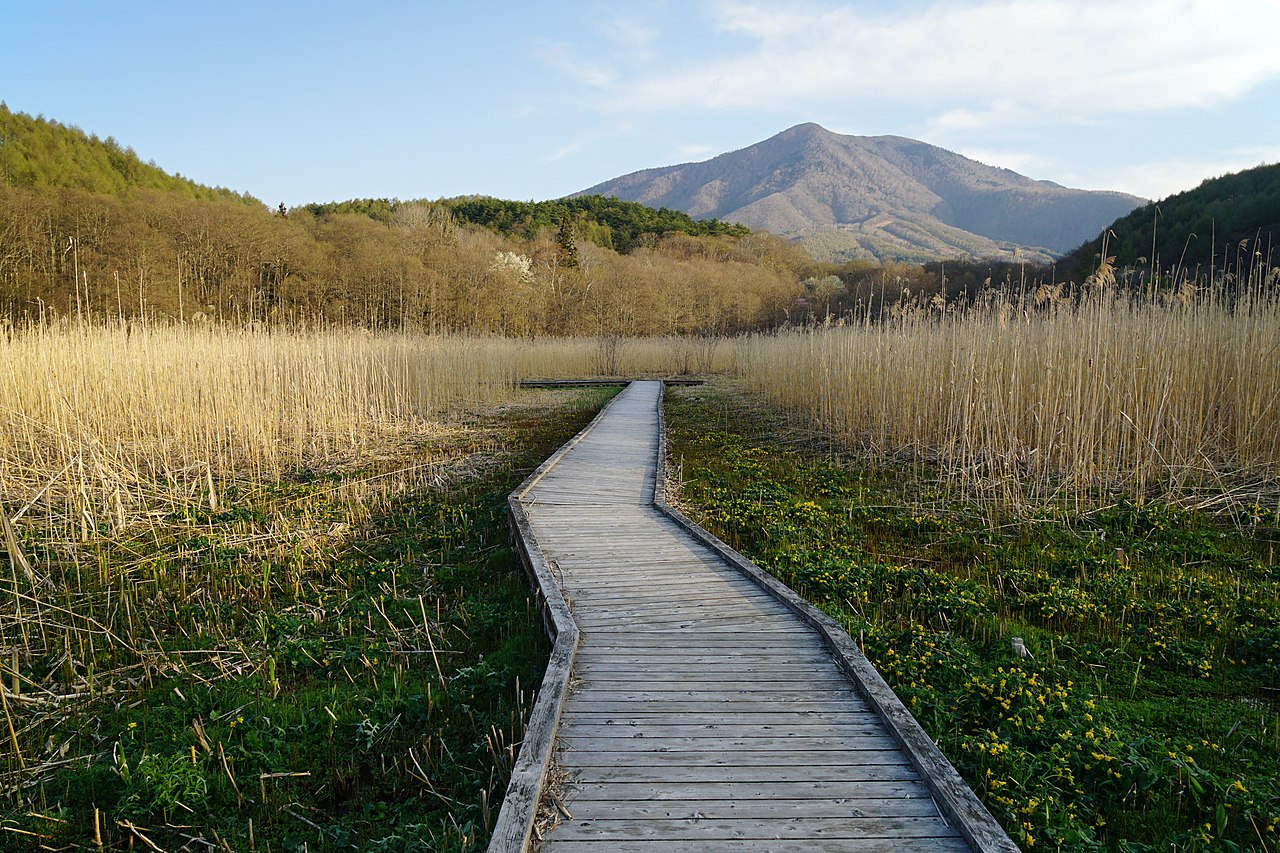
Nestled in a basin surrounded by the Japanese Alps, Nagano experiences cool, snowy winters and mild summers. The surrounding mountains create many outdoor recreational opportunities: skiing, hiking, and hot springs are important to the local economy. The city's location also makes it a transportation hub for central Japan, including high-speed rail links to larger metropolitan areas.
History and development
Nagano's history centers on the Buddhist Zenko-ji Temple, an important pilgrimage destination for centuries. Modern development accelerated in the 20th century as rail connections improved. International attention came when Nagano hosted the 1998 Winter Olympics, which stimulated upgrades to roads, sporting facilities, and accommodation, leaving a lasting legacy for tourism and events.
Characteristics and notable places
- Zenko-ji Temple: a major religious and cultural landmark attracting visitors year-round.
- Olympic venues: legacy facilities and winter-sports infrastructure from 1998.
- Natural surroundings: access to ski resorts, alpine scenery, and onsen (hot springs).
- Education and research: institutions such as regional universities contribute to local life and economy.
Economy and culture
Tourism, hospitality, agriculture (notably fruit and specialty crops), and light manufacturing sustain the local economy. Nagano is also known for regional cuisine such as buckwheat noodles (soba) and seasonal produce. Cultural events, markets, and traditional festivals reflect its role as a centre of both modern services and long-established regional customs.
Practical notes and distinctions
As a prefectural seat and core city, Nagano combines administrative functions with a concentration of transport links, shops, and public services. For visitors and researchers, official and municipal resources provide current data on population, services, and events; see local guides and municipal pages for detailed, up-to-date information (city resources).
For general background on regional administration and travel, consult broader references and travel resources (Japanese name, country overview, prefectural information, municipal pages).
Related articles
Author
AlegsaOnline.com Nagano (city) — capital of Nagano Prefecture, Japan Leandro Alegsa
URL: https://en.alegsaonline.com/art/68088