
Nagua — coastal city and capital of María Trinidad Sánchez, Dominican Republic
Nagua is the capital of María Trinidad Sánchez province on the northeast Atlantic coast of the Dominican Republic, a low‑lying coastal city with fishing roots, agricultural hinterland and regional administrative functions.
Overview
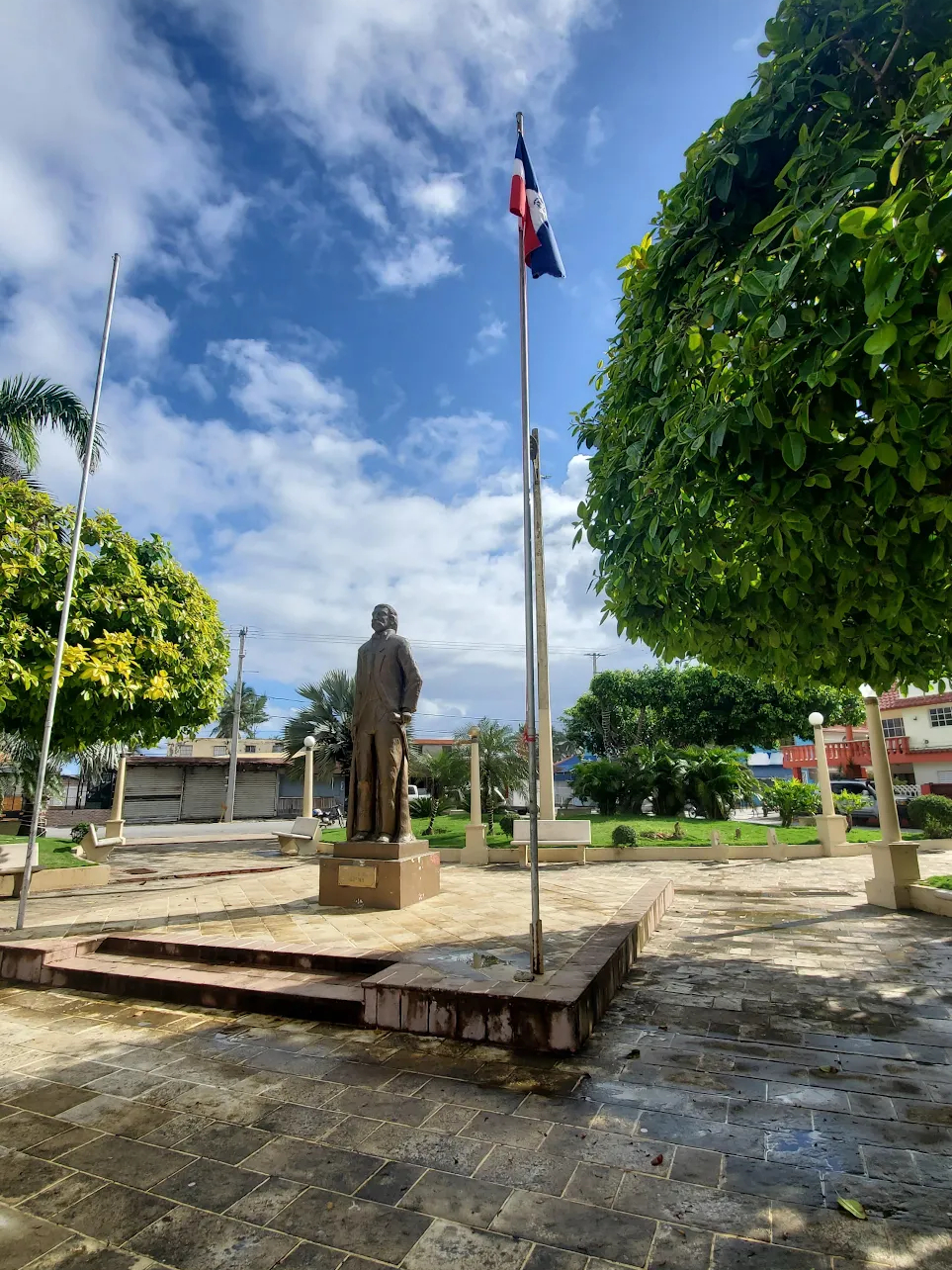
Nagua is a city in the Dominican Republic and the administrative centre or head municipality of the province of María Trinidad Sánchez. Located on the northeast shore of the island, it sits on a low coastal plain beside the Atlantic and is notable for being almost at sea level. Historically a small settlement of fishermen, Nagua expanded during the 20th century as roads, institutions and basic services concentrated in the town, turning it into a local hub for administration, commerce and trade.
Image gallery
6 Images



Geography and environment
The city occupies a flat coastal plain with nearby beaches, lagoons and wetland areas that influence local livelihoods. The tropical maritime climate produces warm temperatures year‑round and a rainy season that affects agriculture and coastal activities. Because of its low elevation, parts of the urban area are vulnerable to flooding during heavy rains and tropical storms, a factor that shapes planning and infrastructure priorities on the coast.
History and development
Nagua grew gradually from a fishing village into a municipal centre as regional administrative structures were created and transportation links improved. Urban development has generally been incremental, driven by migration from surrounding rural areas and the growth of public services rather than large industrial investment. The city retains cultural connections to maritime traditions while serving a broader provincial population.
Economy and society
The local economy mixes marine and land‑based activities. Small‑scale fishing, local markets and agriculture in the hinterland supply food and products to town. As the provincial capital, Nagua hosts government offices, education and health services that provide employment and support surrounding communities. Commerce, light processing and service enterprises contribute to the city’s role as a regional centre; the urban economy complements traditional livelihoods rather than replacing them.
Transport, services and tourism
Road links connect Nagua with other towns and regional markets, enabling movement of fish, crops and goods. Municipal services include schools, clinics and markets, and modest visitor facilities cater to domestic tourism attracted by beaches and natural areas. Sustainable use of coastal and wetland resources, combined with infrastructure improvements, is commonly discussed in local planning and province information resources.
Culture, challenges and further information
Cultural life reflects coastal traditions, local commerce and community institutions. Challenges include managing flood risk, maintaining infrastructure and supporting diversified economic opportunities while conserving fragile coastal ecosystems. For general administrative, demographic and travel details consult official municipal and provincial pages or national guides; for an introduction to the locality, see a brief description of the city and its role in the province.
Questions and answers
Q: What is Nagua?
A: Nagua is a city in the Dominican Republic and the head municipality of the María Trinidad Sánchez province.
Q: Where is Nagua located?
A: Nagua is located on the northeast (Atlantic) coast of the Dominican Republic.
Q: What was Nagua before it became a city?
A: Nagua was a town of fishermen before it became a city.
Q: When did Nagua become a city?
A: Nagua became a city in the second half of the 20th century.
Q: What is the elevation of Nagua?
A: The city of Nagua is almost at sea level.
Q: In which province is Nagua located?
A: Nagua is located in the María Trinidad Sánchez province.
Q: What is the significance of Nagua being located on the coast?
A: Being located on the coast gives Nagua access to the sea and potentially to industries related to fishing and tourism.
Related articles
Author
AlegsaOnline.com Nagua — coastal city and capital of María Trinidad Sánchez, Dominican Republic Leandro Alegsa
URL: https://en.alegsaonline.com/art/68119
Sources
- censo2010.one.gob.do : "IX Censo Nacional de Población y Vivienda 2010"
- one.gob.do : "Expansión Urbana de las ciudades capitales de R.D. 1988-2010. Informe Básico"
- one.gob.do : "División Territorial 2015"
- nagua.climatemps.com : "Nagua Climate & Temperature"