
Native American mythology
Traditional stories and cosmologies of Indigenous peoples of the Americas, varying by region and tribe. Covers creation myths, tricksters, sacred beings, social roles, regional diversity, and modern relevance.
Native American mythology refers to the rich body of traditional stories, cosmological accounts, and sacred narratives developed by the Indigenous peoples of the Americas. These myths functioned as frameworks for understanding origins, natural phenomena, moral order, and human responsibilities. They were preserved and transmitted mainly through oral performance, ceremony, song, and art rather than fixed written texts.
Image gallery
4 Images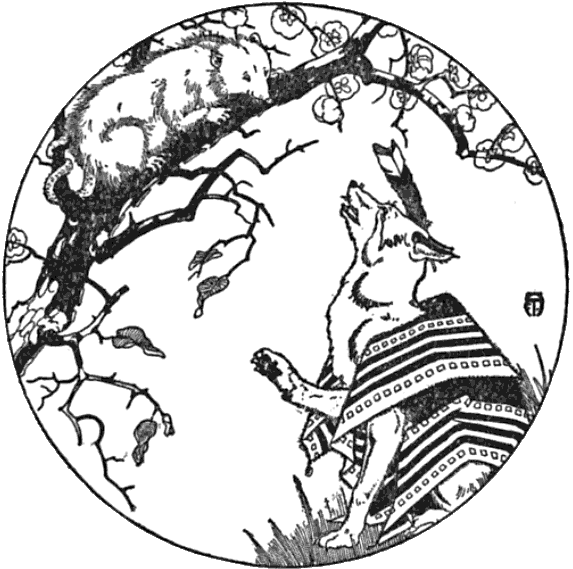


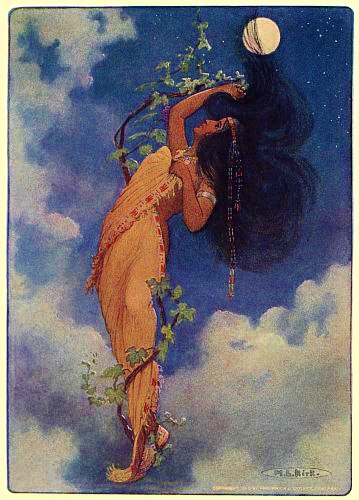
Common themes and figures
Although traditions differ widely, several recurring elements appear across regions:
- Creation and origin stories that explain the formation of the earth, sky, animals, plants, and human communities.
- Trickster characters such as Coyote, Raven, or Hare who create, transform, teach, or disrupt order in complex ways.
- Animal and spirit beings that act as teachers, ancestors, or custodians of particular places and practices.
- Dualities and balance in cosmologies—life and death, male and female, earth and sky—often encoded in ritual.
Regional variation
Mythic repertoires are not uniform. Arctic, Subarctic, Northwest Coast, Plateau, Plains, Southwest, Eastern Woodlands, and Mesoamerican cultures developed distinctive narratives shaped by environment, subsistence, and social structure. For example, maritime communities emphasize sea creatures and origin-of-food tales, while agricultural societies often have myths tied to crop cycles and fertility.
Functions and social uses
Myths served multiple functions: they taught ethical norms, legitimized leadership and land relationships, guided ceremonial life, encoded ecological knowledge, and helped people cope with change or misfortune. Storytelling itself is a ritual, often performed at seasonal gatherings, rites of passage, and religious observances.
Scholars and community members caution against treating these narratives as mere folklore or archaeological artifacts. They are living traditions with contemporary religious and cultural significance, and many communities control how stories are shared and represented.
History, documentation, and revival
European contact, missionary activity, and later ethnographic collecting altered how myths were recorded and disseminated. Early collectors sometimes misinterpreted or fragmented narratives; modern efforts emphasize collaboration with Indigenous knowledge-holders, respect for cultural protocols, and revitalization of languages and ceremonial practices.
For introductions and further context see Native American religious traditions and comparative surveys at Indigenous mythologies. Recognizing diversity and contemporary renewal helps avoid stereotypes and supports respectful study and cultural preservation.
Related articles
Author
AlegsaOnline.com Native American mythology Leandro Alegsa
URL: https://en.alegsaonline.com/art/68737