
My Family (British sitcom)
Overview of the BBC One family sitcom My Family: premise, main characters, production, run (2000–2011), themes, reception and legacy.
Overview
My Family was a British television sitcom that aired on BBC One from 19 September 2000 until 11 September 2011. Created by Fred Barron, the series centers on the domestic life of the Harpers, a middle-class family living in Chiswick in west London. Across more than a decade on air the show combined conventional family comedy with recurring running gags and a cast led by established British actors.
Image gallery
1 Image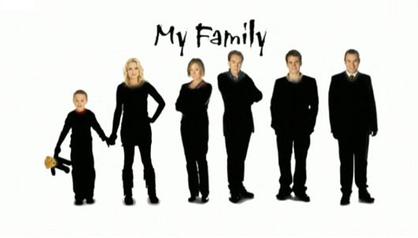
Premise and main characters
The core of the show is the marriage of Ben and Susan Harper, portrayed respectively by Robert Lindsay and Zoe Wanamaker. The couple balance typical marital bickering with parental authority. Their three children provide different sources of humour and narrative tension: the eldest son Nick is portrayed as affable but directionless; their daughter Janey is attractive and often entangled in romantic complications; the younger son Michael is academically gifted and develops storylines relating to identity. The programme used these contrasting personalities to generate situational and character-based comedy.
- Ben Harper (Robert Lindsay) — the patriarch, a dentist by profession.
- Susan Harper (Zoe Wanamaker) — the pragmatic matriarch.
- Nick (Kris Marshall) — the well-meaning but dim-witted elder son.
- Janey (Daniela Denby-Ashe) — the attractive daughter with many boyfriends and later single motherhood storylines.
- Michael (Gabriel Thomson) — the intelligent younger son who comes out and is portrayed as gay.
Production and development
Fred Barron, an experienced comedy writer-producer, developed the series with an emphasis on ensemble dynamics and a multi-camera stage format typical of classic situation comedy. Episodes generally follow self-contained plots tied to family events, misunderstandings and the clash between parental expectations and adult children's choices. The show was produced and broadcast by the BBC and used a regular studio cast alongside guest performers.
Themes, tone and reception
My Family relied on affectionate satire of suburban family life, sitcom conventions and character foibles. Its humour blended one-liners, farce and recurring catchphrases, while also occasionally addressing contemporary social topics within its domestic setting. Critical response varied over the run: some reviewers praised the chemistry of the principal actors and the show's consistency, while others critiqued it for predictable plots and reliance on established sitcom devices. Audience ratings were strong enough to sustain multiple series across eleven years.
Legacy and notable facts
As one of the longer-running British family sitcoms of the 2000s, My Family helped sustain mainstream interest in traditional multi-camera comedy at the BBC and made stars of several cast members. The show is often cited in discussions of early-21st-century British television comedy for its longevity, ensemble writing and the way it mixed broad humour with occasional topicality. For more details on episodes, cast changes and production notes, consult the series' production listings and cast pages via official resources and archives.
For production credits and broadcast history see the series index and cast biographies: marriage and family themes, television records, and archived BBC material at BBC One listings.
Related articles
Author
AlegsaOnline.com My Family (British sitcom) Leandro Alegsa
URL: https://en.alegsaonline.com/art/67896